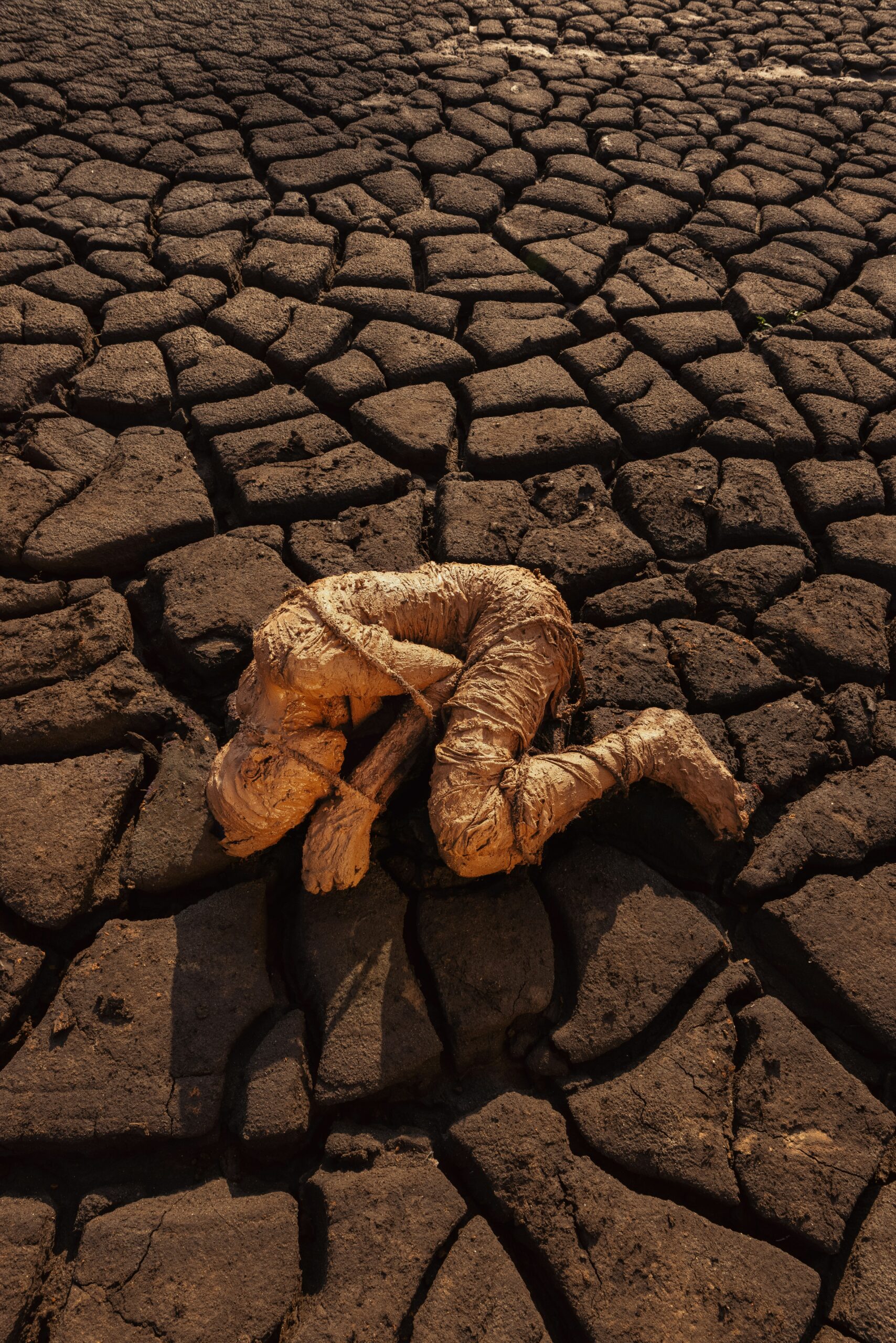
The persistent specter of global hunger has grown darker this year, fueled by an escalating confluence of armed conflicts, pervasive climate variability, and persistent economic instability. New analyses reveal that while incremental progress has been unevenly distributed, the overall trend points toward a distressing rise in the number of individuals facing acute food insecurity worldwide, challenging decades of efforts to eradicate poverty and malnutrition.
The primary drivers of this accelerating crisis are complex and interconnected. Protracted localized conflicts, particularly across swathes of Africa, the Middle East, and parts of Asia, continue to destroy agricultural infrastructure, displace farming communities, and disrupt vital supply chains. When fields are abandoned or rendered dangerous, and markets become inaccessible, the localized availability of food plummets, creating famine-like conditions even in previously viable agricultural regions.
Secondly, the undeniable impact of climate change is severely undermining fragile food systems. Extreme weather events—ranging from devastating floods in South Asia to prolonged, brutal droughts across the Horn of Africa and the American Southwest—are destroying harvests and decimating livestock. These unpredictable patterns make farming precarious, forcing smallholder farmers, who produce much of the world’s food, into desperate cycles of debt and displacement.
Dr. Anya Sharma, lead economist at the Global Food Policy Institute, explains the grim mechanics: “When conflict and climate shocks converge, they don’t simply subtract food; they multiply vulnerability. A farmer who loses a crop to drought may survive, but if that drought is immediately followed by civil unrest shutting down transport routes, survival becomes exponentially harder. We are seeing these ‘multi-shocks’ becoming the new norm.”
Compounding these factors is the lingering impact of global economic inflation, particularly the soaring costs of essential inputs like fertilizer and fuel. Higher energy and transport prices translate directly into ballooning food costs, rendering basic nutrition unaffordable for the poorest segments of society. This dynamic is pushing marginalized urban populations, who are net food buyers, into deeper levels of distress.
Targeted Interventions and the Path Forward
Addressing this multifaceted crisis requires a shift from reactive emergency aid to sustained, resilient development strategies. Humanitarian organizations emphasize the need for three critical pillars of action now:
- Conflict-Sensitive Humanitarian Aid: Providing food when and where it is needed, coupled with efforts to protect civilian populations and essential infrastructure like water sources and hospitals. Aid delivery must navigate political realities without being politicized.
- Climate-Resilient Agriculture: Investing heavily in adaptable farming techniques, including drought-resistant crops, improved irrigation systems, and early-warning weather systems tailored for local communities.
- Strengthening Social Safety Nets: Governments must implement or expand cash transfer programmes and targeted food subsidies to buffer the most vulnerable families against volatile price hikes.
The broader implication is clear: the international community cannot treat hunger merely as a humanitarian issue, but must recognize it as a core threat to global peace and stability. Failure to stabilize global food security will inevitably lead to increased migration, political unrest, and exacerbated global inequality, undoing years of hard-won development gains. The urgency for coordinated, sustained action has never been greater.