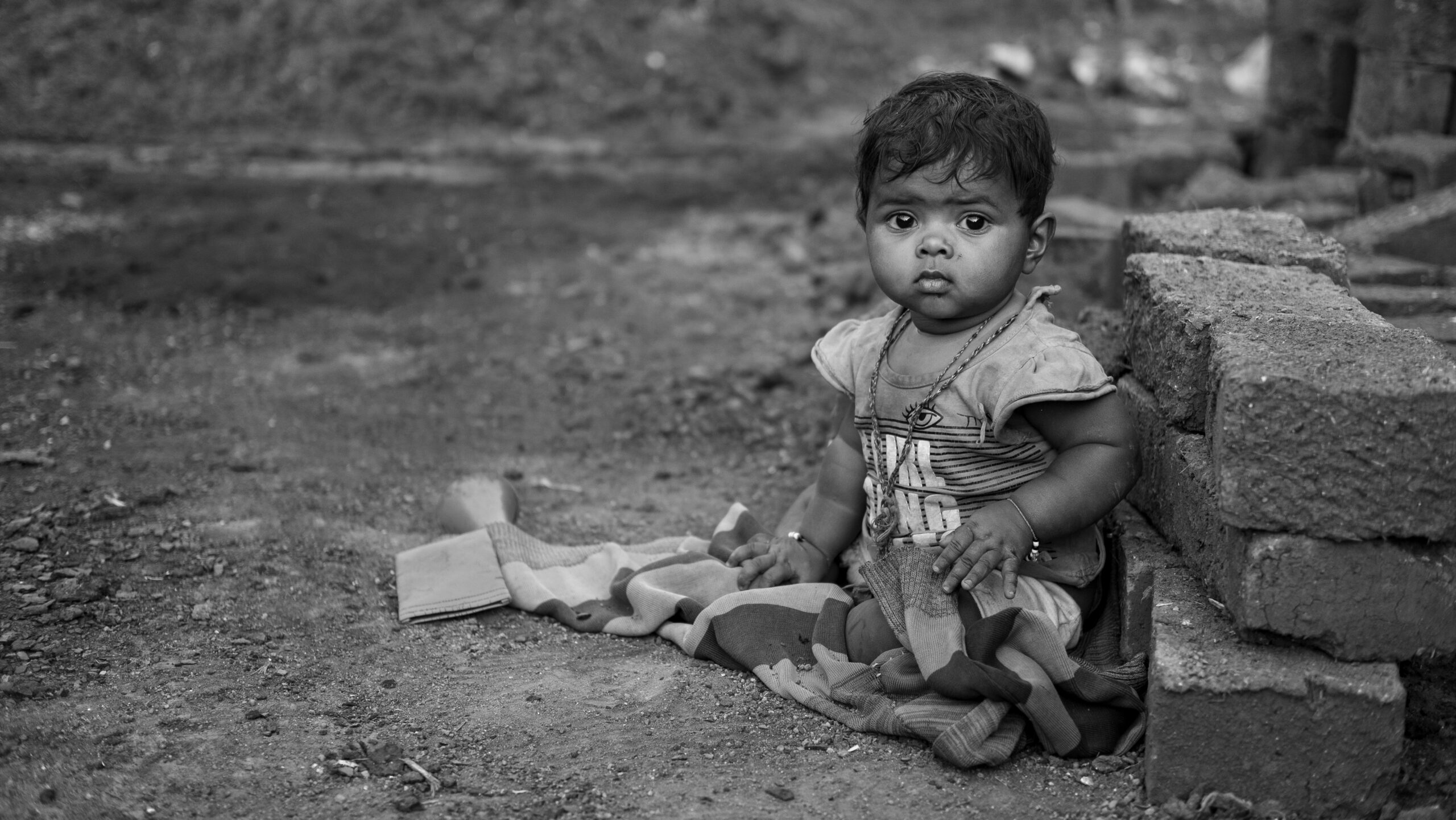
The persistent confluence of conflict, climate volatility, and economic downturns has pushed global hunger levels to unprecedented heights, threatening mass starvation and requiring immediate, decisive international intervention. Across numerous vulnerable regions, millions are currently facing acute food insecurity, exacerbating existing humanitarian crises and imperiling decades of progress in sustainable development. Aid organizations and national governments are struggling to keep pace with the rapidly expanding need, signaling a critical failure in global collaboration to protect the most susceptible populations.
Conflict and Climate Drive Escalating Food Needs
Analysis from leading humanitarian organizations confirms that armed conflict remains the single largest driver of food crises. Regions beset by persistent violence, such as Sudan, Yemen, and the Democratic Republic of Congo, are effectively cut off from agricultural production and vital international supply chains. According to the latest reports from the World Food Programme, civil unrest routinely destroys essential infrastructure, displaces vast numbers of farmers, and prevents the safe passage of relief supplies. This destruction of local resilience means communities often cannot recover even after fighting subsides.
Compounding this tragedy is the relentless impact of climate change. Extreme weather events—including prolonged droughts in the Horn of Africa and devastating floods in South Asia—have decimated harvests and livestock, pushing pastoral and agrarian communities past their breaking point. Experts warn that these climactic shocks are becoming more frequent and severe, transforming localized food shortages into chronic regional crises. The loss of traditional planting and harvesting stability ensures dependency on external aid, a reliance that is often precarious.
Dr. Anya Sharma, an expert in global food systems stability and a senior analyst at a non-profit policy institute, highlighted the complexity of the current emergency, noting the “unholy combination of crises.” She stated, “While the sheer amount of aid required is staggering, we cannot simply address the symptoms. Until we tackle the root causes—ending conflict and investing heavily in climate adaptation for agriculture—we will be performing an endless cycle of emergency triage.”
The Economic Barrier to Access
Furthermore, global economic turbulence is undermining efforts to provide relief. Sharp increases in the price of staple commodities, fertilizer, and fuel have crippled developing nations already grappling with debt. Even where food is physically available, rising inflation has priced it out of reach for the poorest households. This economic barrier turns localized scarcity into widespread malnutrition, particularly affecting young children whose cognitive and physical development is irreversibly damaged by prolonged nutrient deficiency.
The strain is evident in the financial appeals made by international relief agencies. Funding gaps for critical humanitarian operations are widening significantly, demonstrating a critical mismatch between global need and international commitment. For instance, UNICEF estimates that malnutrition treatment programs in several heavily affected countries are operating at less than 40% of their necessary budget.
An Integrated Strategy for Resilience
To avert a deepening catastrophe, international coordination must shift from reactive distribution to proactive resilience building. An integrated strategy requires immediate surge funding alongside long-term structural investments:
- Prioritize Conflict Mediation: Pressure nations and armed groups to protect civilian infrastructure and allow unfettered humanitarian access.
- Invest in Climate-Resilient Agriculture: Finance research and deployment of drought-resistant seeds, innovative water management techniques, and localized storage facilities to protect future yields.
- Strengthen Social Safety Nets: Governments must establish and expand cash transfer programs and school feeding initiatives to stabilize purchasing power for vulnerable urban and rural populations.
The current trajectory is unsustainable. Addressing the global hunger crisis is not merely a humanitarian imperative but a foundational element of global stability. Failure to act now with comprehensive strategy and sufficient resources will inevitably lead to increased migration, regional instability, and long-term human tragedy. The next few months are pivotal in determining whether the world can successfully pull millions back from the brink of starvation.