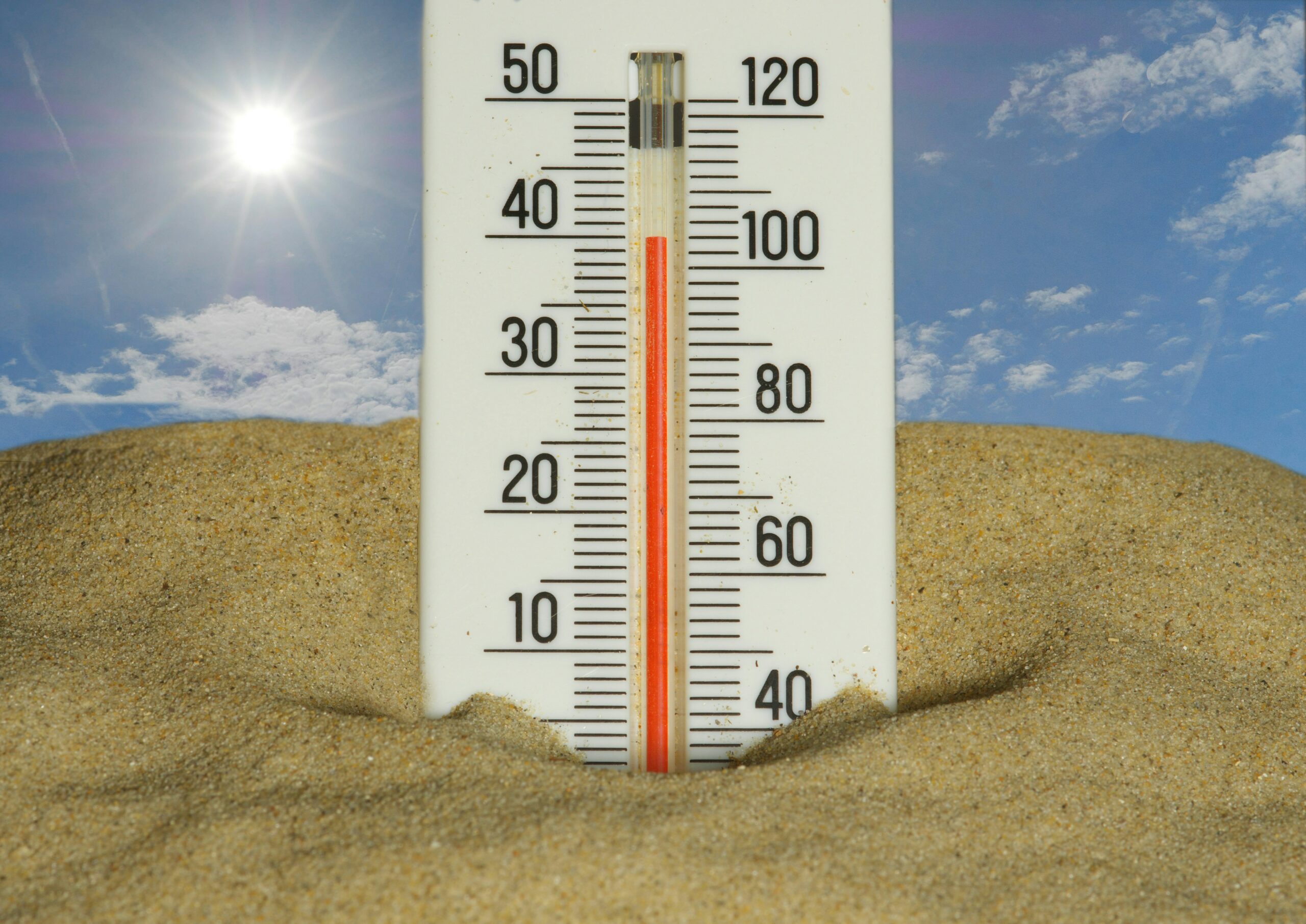
Record-shattering heat is gripping continents, pushing health systems and infrastructure to breaking points and compelling urban planners globally to rapidly redesign cities for resilience against this accelerating climate threat.
The intensity and frequency of severe heatwaves, exemplified by recent record temperatures across Europe, North America, and Asia, underscore a critical failure in traditional urban design: the reliance on materials and layouts that absorb and retain heat. This phenomenon, known as the urban heat island effect, amplifies local temperatures, often making dense metropolitan areas significantly hotter than surrounding rural areas. Experts warn that current mitigation efforts are insufficient to protect vulnerable populations—the elderly, children, and outdoor workers—from heat-related illness and mortality.
Rethinking Urban Infrastructure for Cooler Cities
Addressing this systemic issue requires a paradigm shift from conventional “grey infrastructure” to nature-based and passive cooling solutions. Dr. Anya Sharma, a lead climate resilience specialist at the World Resources Institute, suggests that cities must prioritize “cooling efficiency” over short-term economic gains. “Paving over every available space with dark asphalt or concrete is an outdated practice that effectively turns our cities into ovens,” she explains.
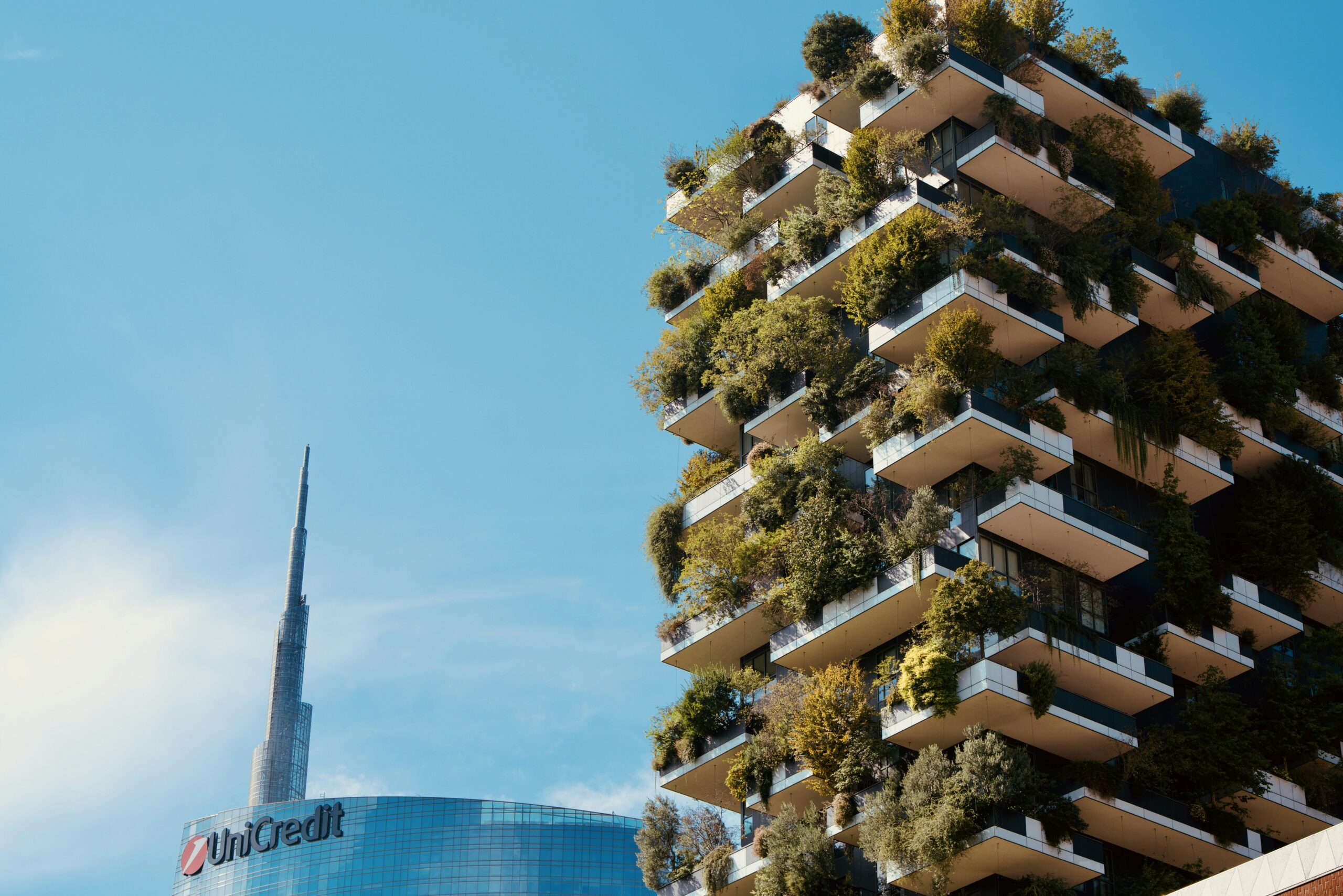
One of the most effective interventions is the mass adoption of green infrastructure. Planting trees not only provides crucial shade but also employs evapotranspiration, a natural process where plants release water vapor, creating a tangible cooling effect. According to recent urban forestry studies, strategically positioned mature trees can lower localized surface temperatures by several degrees Celsius.
Beyond increasing urban canopy, cities are now exploring innovative material sciences and architectural modifications:
- Cool Roofs and Pavements: Replacing standard dark roofing materials with reflective paints or specialized membranes significantly reduces solar absorption. Similar initiatives involve using lighter-coloured, porous paving materials that minimize heat retention in streets and sidewalks.
- Water Features and Design: Incorporating open water channels, fountains, and small ponds into public spaces harnesses the cooling power of evaporation while enhancing air circulation.
- Strategic Shading: Deploying functional shading elements, such as pergolas, awnings, and temporary structures over key transit hubs and public squares, offers immediate relief where natural shade is scarce.
Policy and Global Accountability
The long-term success of these physical changes hinges on supportive policy frameworks and community engagement. Mandating minimum tree canopy standards for new developments and incentivizing homeowners and businesses to utilize reflective materials are key legislative steps being taken by progressive municipalities, including Barcelona and Melbourne.
However, the challenge is particularly acute in rapidly developing cities in the global south, where informal settlements often lack basic cooling amenities. International partnerships and climate finance are essential to ensure these vulnerable communities are not left behind in the race to adapt.
Ultimately, mitigating the brutal impact of heatwaves demands viewing cool urban design not as an optional amenity, but as a fundamental public health necessity. Cities must move quickly to integrate these solutions, safeguarding well-being and ensuring economic stability in a world defined by rising temperatures. Further research into adaptive living and regional climate resilience strategies (e.g., building subterranean housing or developing heat-action plans) will continue to shape how humanity coexists with extreme heat.