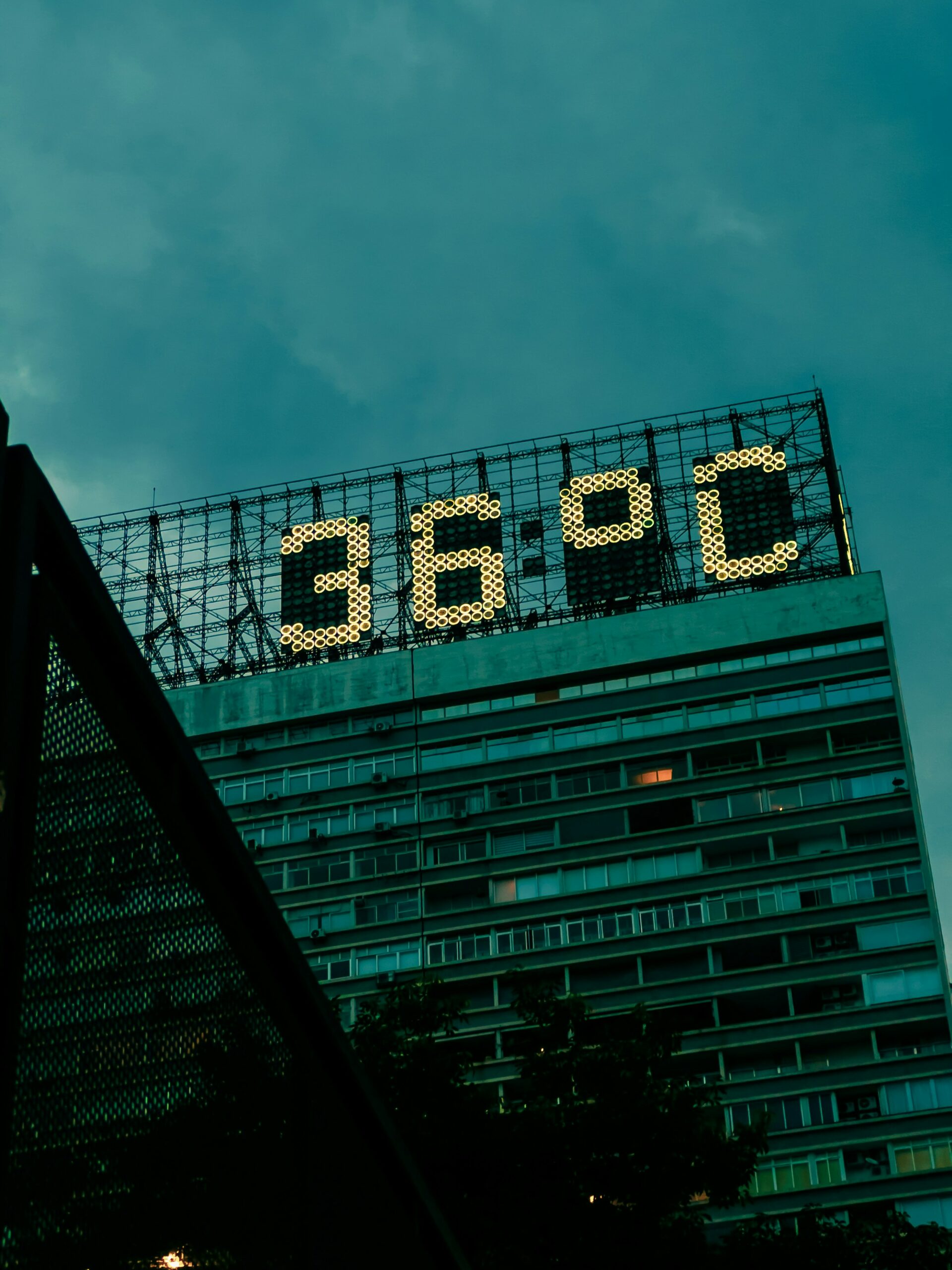
The summer of 2024 is ushering in a series of severe, prolonged heatwaves across multiple continents, raising urgent concerns among public health officials and climate scientists regarding escalating risks to human life, critical infrastructure, and global economies. From North America to Eurasia, record-breaking temperatures are gripping highly populated regions, driven by atmospheric high-pressure systems intensified by long-term climate change trends. Authorities are emphasizing that these extreme conditions pose a tangible, immediate threat requiring robust public safety measures and long-term adaptation strategies.
Understanding the Escalating Heat Emergency
Experts point to a combination of meteorological patterns—such as persistent Omega blocks trapping heat over large land masses—and the underlying warming trend of the planet, which raises the baseline temperature from which heat extremes start. This confluence is resulting in higher frequency, intensity, and duration of dangerous heat events.
In densely populated cities, the urban heat island effect exacerbates the crisis. Pavement, concrete, and lack of green space absorb and re-radiate heat, making nighttime temperatures dangerously high and preventing the body from cooling down adequately. This lack of nocturnal relief significantly increases the risk of heat-related illnesses, especially for vulnerable populations.
Dr. Sarah Chen, a climatologist specializing in extreme weather risk modeling, explains the severity: “We are moving beyond merely unpleasant heat episodes; we are entering territory where environmental conditions rapidly become lethal, especially for the elderly, young children, and those with pre-existing health conditions. This is a public health crisis playing out in slow motion.”
Widespread Impact on Health and Systems
The primary health concern during extreme heat is heatstroke, a medical emergency that can cause organ failure and death if not treated immediately. Hospitals globally are reporting increased admissions for dehydration, heat exhaustion, and cardiovascular complications linked to the soaring mercury.
Beyond human health, critical services are straining under the pressure. Power grids are struggling to meet unprecedented demand for air conditioning, leading to rolling blackouts in some areas. Transport systems, including roads and railways, face deformation risks, causing delays and disruption. Agriculture is also heavily affected, with droughts and heat stress threatening crop yields and livestock welfare, potentially impacting global food security later this year.
Protecting Yourself During Dangerously High Temperatures
Public health advisories stress the need for preemptive action. Simple steps can significantly reduce vulnerability to heat-related illnesses:
- Hydration is Key: Drink water regularly, even if you do not feel thirsty. Avoid excessive alcohol and sugary drinks.
- Stay Cool: Seek air-conditioned environments, such as official cooling centers, libraries, or malls, during the peak hours of the day (typically 10 a.m. to 4 p.m.).
- Modify Activity: Reschedule strenuous tasks or outdoor exercise to the cooler morning or evening hours.
- Check on Neighbors: Ensure vulnerable relatives, friends, and neighbors have access to cooling and sufficient fluids.
- Spotting Trouble: Recognize the signs of heat exhaustion (heavy sweating, dizziness, nausea) and heatstroke (cessation of sweating, confusion, high body temperature), treating the latter as an immediate emergency.
The continuous barrage of heatwaves underscores a global reality: the planet is adapting to warming, and societies must accelerate their own adjustments. Investment in resilient infrastructure, widespread urban greening initiatives, and robust early warning systems are no longer optional, but essential measures to safeguard lives in a hotter future. The current events serve as a potent reminder that climate adaptation must be integrated into every facet of urban planning and public health strategy.