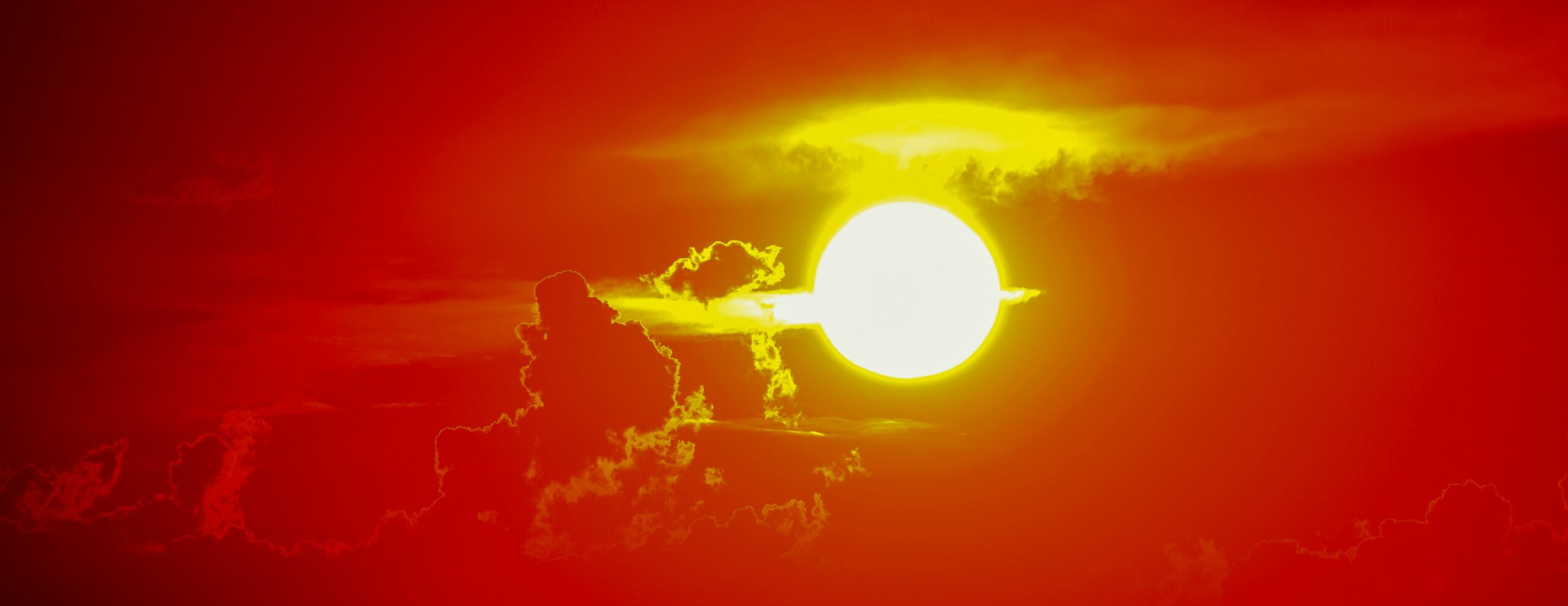
Extreme heat has gripped vast areas across the Northern Hemisphere this summer, prompting urgent public health warnings and stressing infrastructure from North America to Asia. The persistent, record-breaking temperatures are not merely an inconvenience but a significant public health crisis, demanding immediate action by governments and individuals to mitigate severe risks, particularly for vulnerable populations and essential workers.
The Rising Global Temperature Threat
The scale of the current global heatwave underscores the escalating climate crisis. Multiple continents have recorded temperatures significantly above seasonal averages, setting new local and national records. In Europe, countries bordering the Mediterranean have battled intense heat alongside widespread wildfires, forcing evacuations and straining emergency services. Simultaneously, parts of the United States experienced prolonged exposure to triple-digit Fahrenheit temperatures, creating hazardous conditions for outdoor labour and causing an increase in heat-related illnesses and hospitalisations. This phenomenon is directly linked to the broader trend of global heating, amplified by factors such as the urban heat island effect, which traps higher temperatures in densely populated areas.
Experts warn that such intense, prolonged heat exposure poses direct physiological dangers, far beyond simple dehydration. The body’s ability to regulate its core temperature can be overwhelmed, leading rapidly to conditions like heat exhaustion and the potentially fatal heatstroke.
Dr. Anya Sharma, a climate epidemiologist focused on environmental health, emphasises the shift toward sustained, multi-day heat events. “It’s not just the peak temperature that’s the killer; it’s the lack of nighttime cooling,” she explains. “When temperatures remain high overnight, the human body doesn’t get the necessary respite, leading to cumulative stress on the cardiovascular and respiratory systems.”
Protecting Vulnerable Populations
The impact of this severe heat is disproportionately felt by the most vulnerable groups: the elderly, young children, individuals with pre-existing medical conditions, and those whose housing lacks adequate cooling or who are experiencing homelessness. Outdoor workers, especially in construction or agriculture, face severe occupational hazards, necessitating employers to adopt strict safety protocols, including mandatory rest breaks, provision of shade, and hydration support.
Public health officials are urging communities to establish and utilise cooling centres, public spaces like libraries or community halls equipped with air conditioning, which can provide immediate relief. Furthermore, checking on elderly neighbours and ensuring access to clean water are essential community responses.
Essential Heat Safety Measures
Preparation and proactive measures are crucial for navigating extreme heat successfully. Experts recommend adherence to several non-negotiable safety guidelines:
- Hydration: Drink ample water throughout the day, avoiding excessive caffeine or alcohol, which can contribute to dehydration.
- Scheduling: Limit strenuous physical activity to the coolest parts of the day, typically early morning or late evening.
- Cooling: Wear light, loose-fitting clothing and use air conditioning. If AC is unavailable, taking cool showers or baths can rapidly lower body temperature.
- Warning Signs: Recognise the symptoms of heat stress—heavy sweating, weakness, dizziness, or confusion—and seek medical help immediately if these signs appear or if sweating stops suddenly (a sign of heatstroke).
The recurring intensity of these heatwaves serves as a stark reminder of the urgent need for investment in resilient infrastructure and long-term public cooling strategies. As the planet continues to warm, managing these dangerous climatic events will become increasingly central to global public health policy. Governments must prioritise climate mitigation and heat resilience planning to safeguard their populations from future spikes in temperature.