The year 2023 officially emerged as the hottest twelve-month period ever recorded in human history, according to comprehensive data analyzed by international climate monitoring organizations, underscoring an accelerating crisis driven primarily by human-induced greenhouse gas emissions and compounded by the El Niño weather pattern. This troubling milestone, confirmed by independent assessments from multiple leading institutions, solidifies the urgent need for more aggressive global action to mitigate rapid climate change and adapt to its increasingly severe consequences worldwide.
The Alarming Data Behind the Milestone
Key findings released early this year by bodies including the European Union’s Copernicus Climate Change Service (C3S) and the US National Oceanic and Atmospheric Administration (NOAA) painted a stark picture of the escalating climate emergency. Preliminary analysis suggests that the global annual average temperature for 2023 exceeded the pre-industrial average (1850-1900) by approximately 1.48 to 1.5 degrees Celsius—just inches away from the 1.5°C threshold deemed a critical tipping point in the 2015 Paris Agreement.
Scientists attribute this record spike to two main factors: the decades-long accumulation of anthropogenic warming—heat trapped by gases like carbon dioxide and methane—and the development of a strong El Niño-Southern Oscillation (ENSO) phase. While El Niño naturally pushes global temperatures higher, experts stress that the severity of the 2023 records could not have occurred without the underlying long-term warming trend caused by fossil fuel combustion.
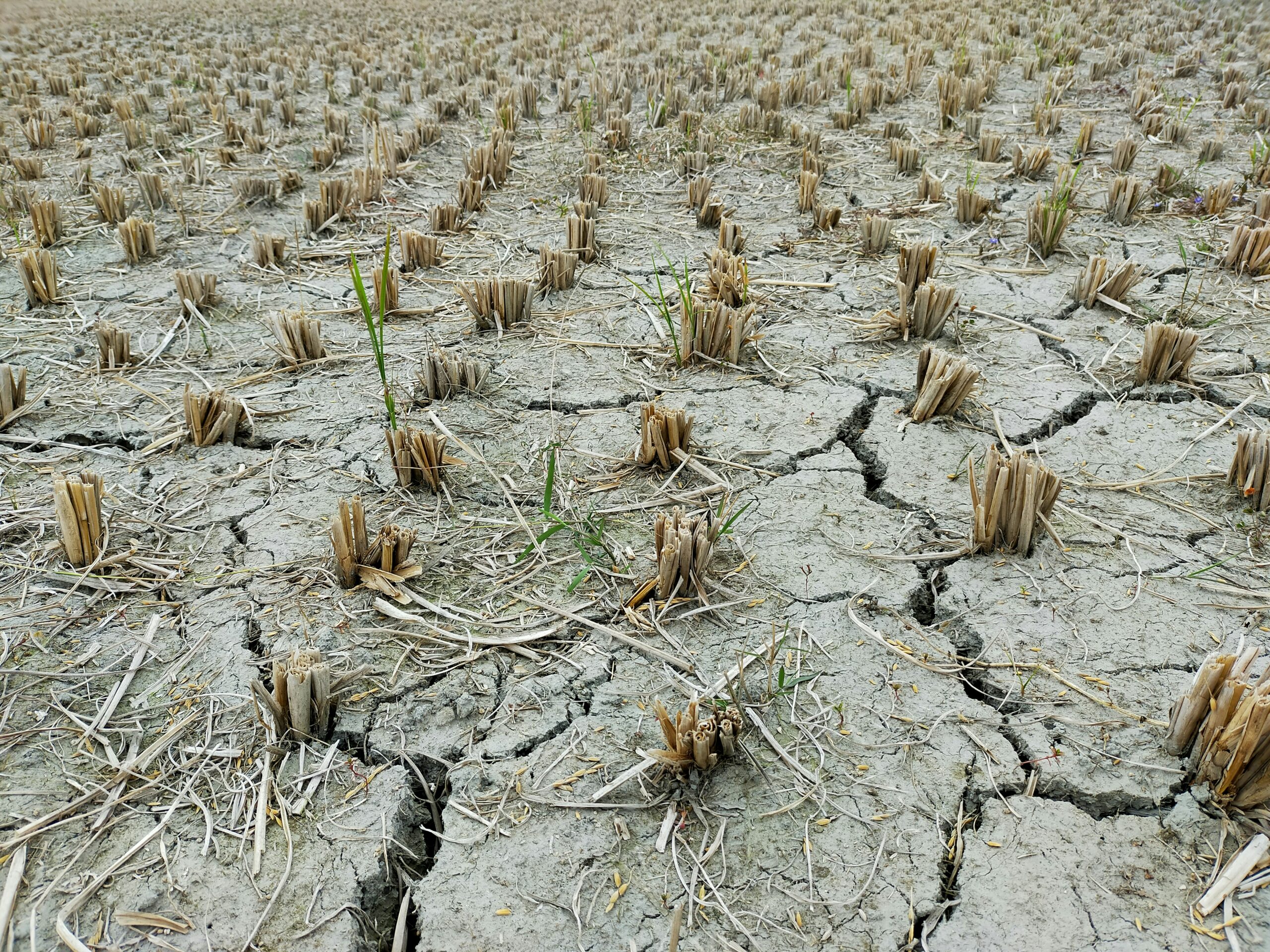
The data reveals unprecedented heat sustained across oceans and over land masses. Ocean surface temperatures reached historic highs, fueling extreme weather events and threatening marine ecosystems, including widespread coral bleaching. Simultaneously, devastating heatwaves and intense droughts plagued regions spanning North America, Europe, Asia, and Africa, severely impacting agriculture, water security, and public health.
Implications for Climate Targets and Global Security
The proximity of the 2023 temperature anomaly to the 1.5°C limit serves as a resounding warning about the narrowing window for effective intervention. Dr. Samantha Ellis, a lead climate scientist at the Copernicus Service, emphasized the severity: “We are now effectively living in a world profoundly reshaped by climate change. This record year is not merely an anomaly; it is a clear consequence of our failure to sufficiently curb emissions. Every fraction of a degree matters.”
The increased heat led directly to devastating human and economic tolls. Record-breaking wildfires, exemplified by intense summer blazes in Canada that blanketed North America in smoke, highlighted the growing vulnerability of temperate forests. In vulnerable nations, extreme weather exacerbated existing crises, driving displacement and threatening food security, particularly in the Horn of Africa.
Adapting to the New Climate Reality
While urgent efforts to transition away from fossil fuels remain paramount, the 2023 data also underscores the immediate requirement for climate adaptation strategies. Experts suggest that governments, municipalities, and businesses must invest heavily in resilient infrastructure, early warning systems, and public health initiatives designed to cope with prolonged heat stress.
Actionable Takeaways for Resilience:
- Infrastructure: Retrofit urban areas with cooling measures, such as green roofs and reflective surfaces.
- Water Management: Implement drought-resistant agricultural techniques and invest in efficient water recycling systems.
- Healthcare: Establish robust heat action plans to protect vulnerable populations, including the elderly and outdoor workers.
Looking ahead, meteorologists predict that 2024 is also likely to remain exceptionally warm due to the lagged effects of the current El Niño cycle. The scientific consensus is clear: the era of incremental change is over. The global community must pivot toward rapid, system-wide transformations not only to cut emissions drastically but also to build societies capable of withstanding the increasingly intense heat waves and extreme weather guaranteed by 2023’s indelible, daunting record.