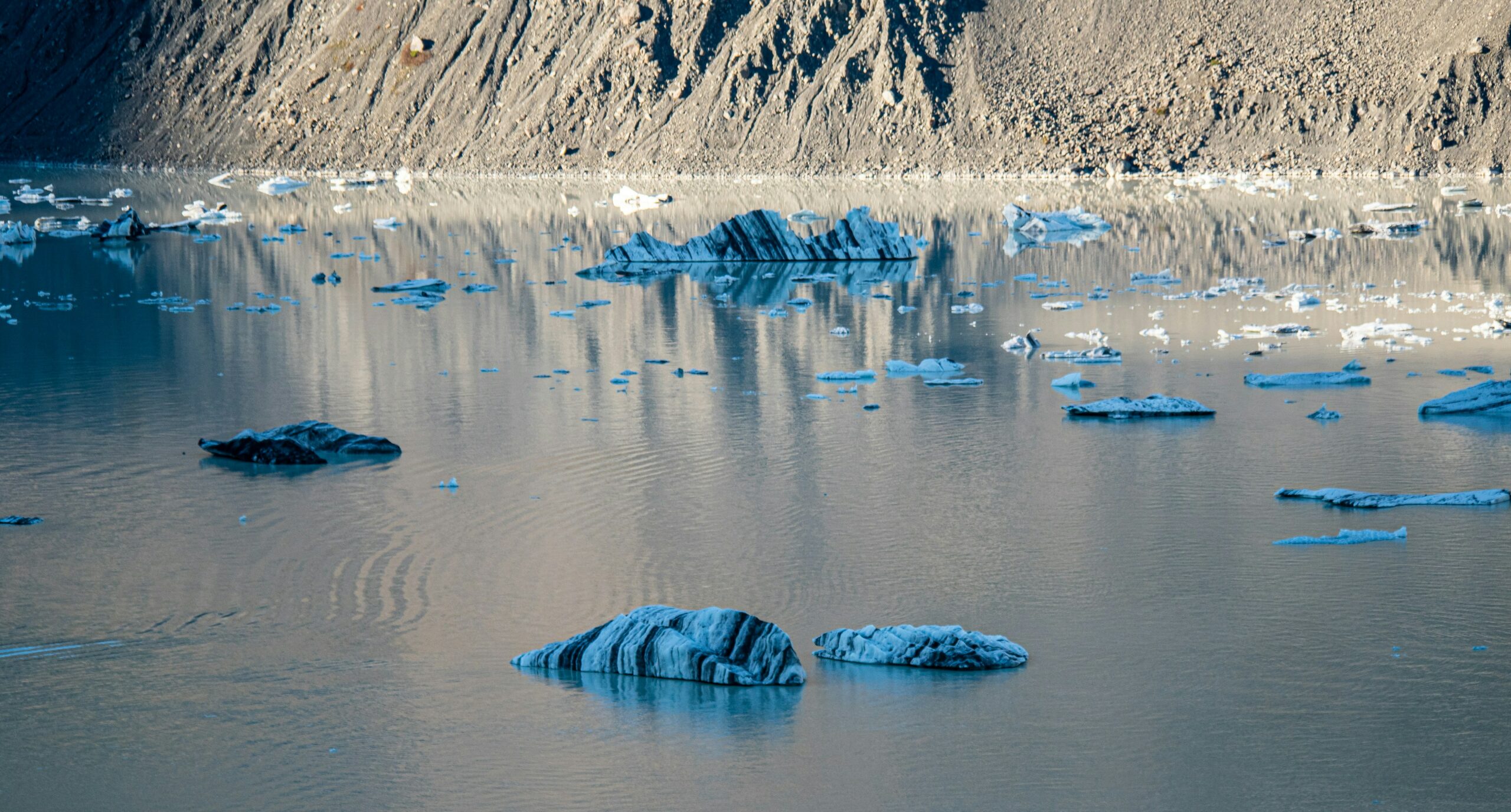
The planet is enduring a concerning and undeniable acceleration of the climate crisis, as evidenced by unprecedented global heat records that have fundamentally reshaped climatological expectations. These searing temperatures, recorded across both terrestrial and oceanic systems, highlight a profound and immediate threat to human well-being, global economies, and biodiversity, requiring urgent, concerted action from policymakers and the public alike to mitigate compounding dangers.
Unprecedented Metrics Signal Deepening Crisis
Recent scientific data confirms that global average temperatures have not only exceeded previous benchmarks but have done so with striking regularity, marking numerous consecutive months as the warmest on record. This pattern is not isolated to a single region; rather, it represents a global phenomenon amplified by human-driven emissions, primarily from the burning of fossil fuels. The implications extend far beyond simple discomfort. Extreme heat is a proven catalyst for significant public health crises, exacerbating conditions like heatstroke and cardiac distress, and placing immense strain on healthcare infrastructure.
Furthermore, these elevated baseline temperatures are fundamentally altering weather patterns worldwide. Scientists report an increased frequency and intensity of extreme weather events, including prolonged droughts, devastating wildfires, and catastrophic floods. Heat acts as the engine driving these events, injecting substantial energy into the atmosphere and hydrological cycle.
The Ocean’s Critical Role
Crucially, the records are not confined to the atmosphere. Oceanic heat content, a vital metric of global warming, has reached historic highs. The vastness of the world’s oceans absorbs over 90% of the excess heat trapped by greenhouse gases. This warming damages critically important marine ecosystems, most visibly through mass coral bleaching events. Warmer waters also expand, contributing to sea-level rise, and fundamentally alter ocean currents, which play a central role in distributing heat and regulating weather globally.
“We are moving into an era where climate records are not just being broken; they are being demolished,” stated a leading climatologist, emphasizing the gap between current climate change impacts and the speed of mitigation efforts. “The stability of the global climate system is demonstrably weakening, necessitating immediate, large-scale decarbonisation efforts.”
Impact on Human Systems and Agriculture
The cascading effects of sustained global warmth are visible in key sectors. Agricultural productivity, particularly in heat-sensitive regions, faces severe volatility, threatening global food security. Water resources are under siege, with rapid glacier melt and reservoir depletion challenging populations reliant on these sources for drinking water and irrigation.
Economically, the soaring temperatures translate into measurable losses. Reduced worker productivity due to heat stress, increased energy demands for cooling, and mounting costs from disaster recovery are imposing heavy burdens on national budgets and household finances.
Collective Action Remains Paramount
Addressing this accelerating crisis requires a multifaceted approach focused on both rapid emissions reduction and robust adaptation strategies.
Key areas for necessary action include:
- Accelerating the Transition to Renewables: Phasing out coal, oil, and gas quickly remains the singular most impactful action.
- Investing in Resilience: Developing heat-action plans for urban areas, upgrading infrastructure to withstand high temperatures, and modernising electrical grids.
- Protecting Natural Carbon Sinks: Halting deforestation and restoring ecosystems, which naturally absorb atmospheric carbon dioxide.
The latest heat records serve as a stark, undeniable warning. While the challenge is immense, experts stress that targeted, decisive policy changes can still prevent the most catastrophic outcomes, safeguarding planetary health and future human prosperity. The response to these shattered records will define the coming decades.