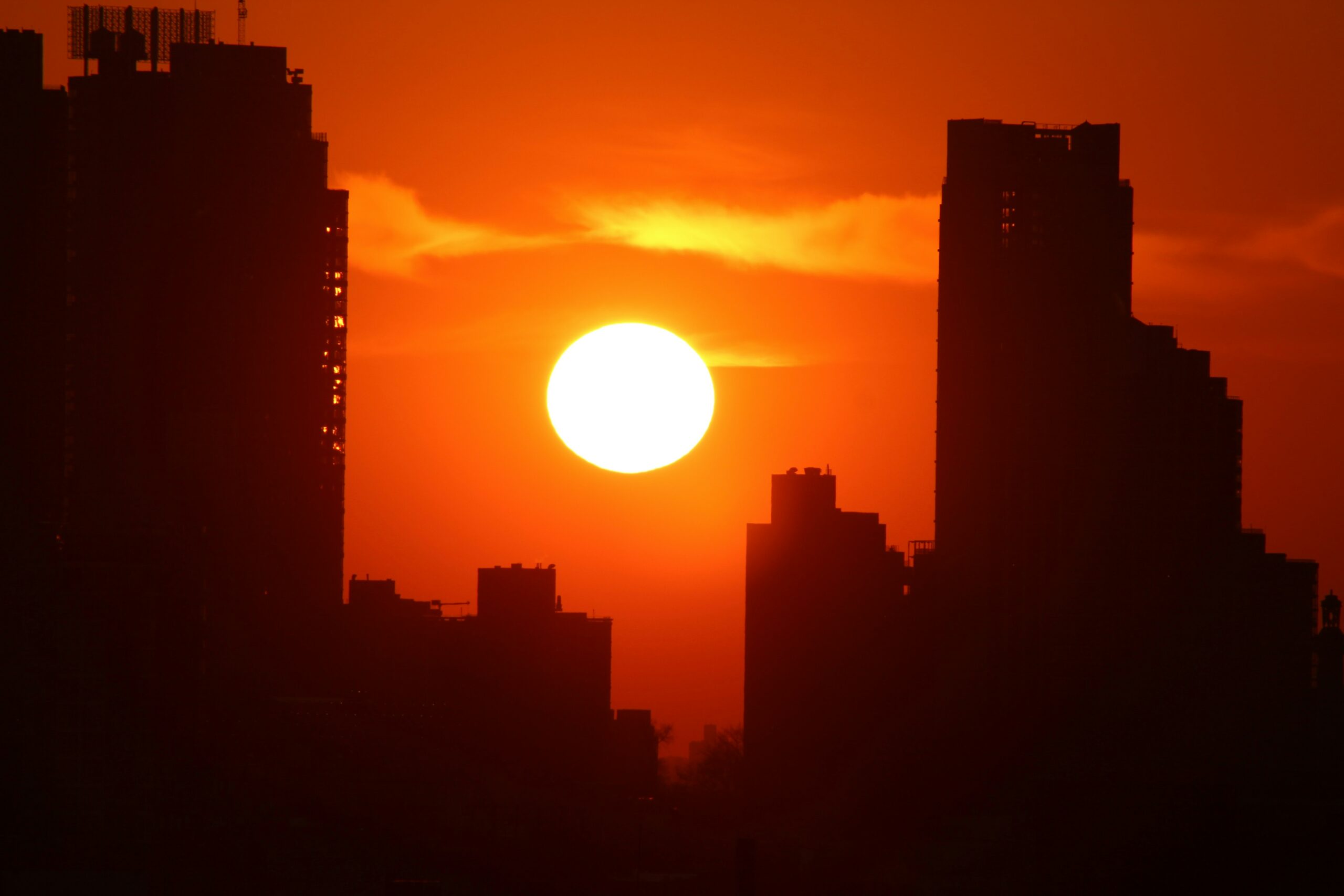
The world experienced unprecedented heat in 2023, shattering multiple global temperature records and underscoring the escalating pace of climate change. This alarming trend, confirmed by leading international meteorological organisations, has significant implications for human health, economic stability, and environmental sustainability worldwide.
2023 Confirmed as Hottest Year in Modern History
Last year effectively solidified its place as the warmest on record since reliable data collection began in the mid-19th century. Data collected by institutions including the US National Oceanic and Atmospheric Administration (NOAA) and the Copernicus Climate Change Service revealed that average global surface temperatures significantly exceeded pre-industrial levels. This surge wasn’t a marginal increase; it represented a clear, dramatic escalation above previous highs, including 2016 and 2020. Much of this extraordinary warmth was driven by the persistent, long-term impact of rising greenhouse gas emissions, compounded in the latter half of the year by the natural climate pattern known as El Niño.
The consequences were immediate and severe. Regions across North America, Europe, and Asia grappled with prolonged, intense heatwaves. These extreme weather events led to significant challenges, from widespread wildfires in Canada and the Mediterranean to record-breaking ocean temperatures that severely stressed marine ecosystems, particularly coral reefs.
The Influence of El Niño and Human Activity
While natural variability, such as the emergence of El Niño—a phenomenon that typically warms surface waters in the eastern Pacific—contributed substantially to the late-year temperature spike, experts caution that it only amplified an already existing, human-caused warming trend.
“What we are witnessing is the convergence of underlying, steady warming driven by fossil fuel consumption and short-term natural cycles,” explains Dr. Anya Sharma, a climate scientist quoted in a recent BBC News analysis. “Even accounting for El Niño, the scale of the warmth in 2023 was extraordinary and clearly indicates that the planet is rapidly approaching critical temperature thresholds established in international agreements.”
The primary driver remains the accumulation of greenhouse gases—chiefly carbon dioxide and methane—released through industrial activity, deforestation, and agriculture. The sustained rise in these atmospheric concentrations traps heat, causing the planet’s energy balance to shift towards warmer states.
Implications for Health and Infrastructure
The consequences of this elevated heat profile are far-reaching. Public health systems faced increased pressure dealing with heat-related illnesses and mortality, particularly among vulnerable populations such as the elderly, young children, and outdoor workers. Economically, sectors dependent on stable climate conditions, like agriculture and tourism, suffered measurable losses due to drought, flooding, and unpredictable harvests.
Furthermore, the record temperatures exacerbated atmospheric moisture, leading to more intense rainfall events when precipitation did occur, damaging crucial infrastructure. Coastal regions also felt the effects through continued sea-level rise accelerated by the melting of glaciers and ice sheets.
Addressing the Climate Imperative
The confirmation of 2023 as the hottest year serves as a stark warning about the urgency of global climate action. Achieving the goals set out in the Paris Agreement—to limit global temperature increase to well below 2 degrees Celsius above pre-industrial levels, and ideally to 1.5 degrees Celsius—requires immediate, aggressive global cooperation.
Moving forward, governments and industries must commit to significantly accelerating the transition to renewable energy sources, enhancing energy efficiency, and implementing sophisticated adaptation strategies to protect communities already impacted by extreme weather. Data from 2023 confirms that the window for mitigating the worst effects of global warming is rapidly closing, demanding transformative policy and societal change in the coming decade.