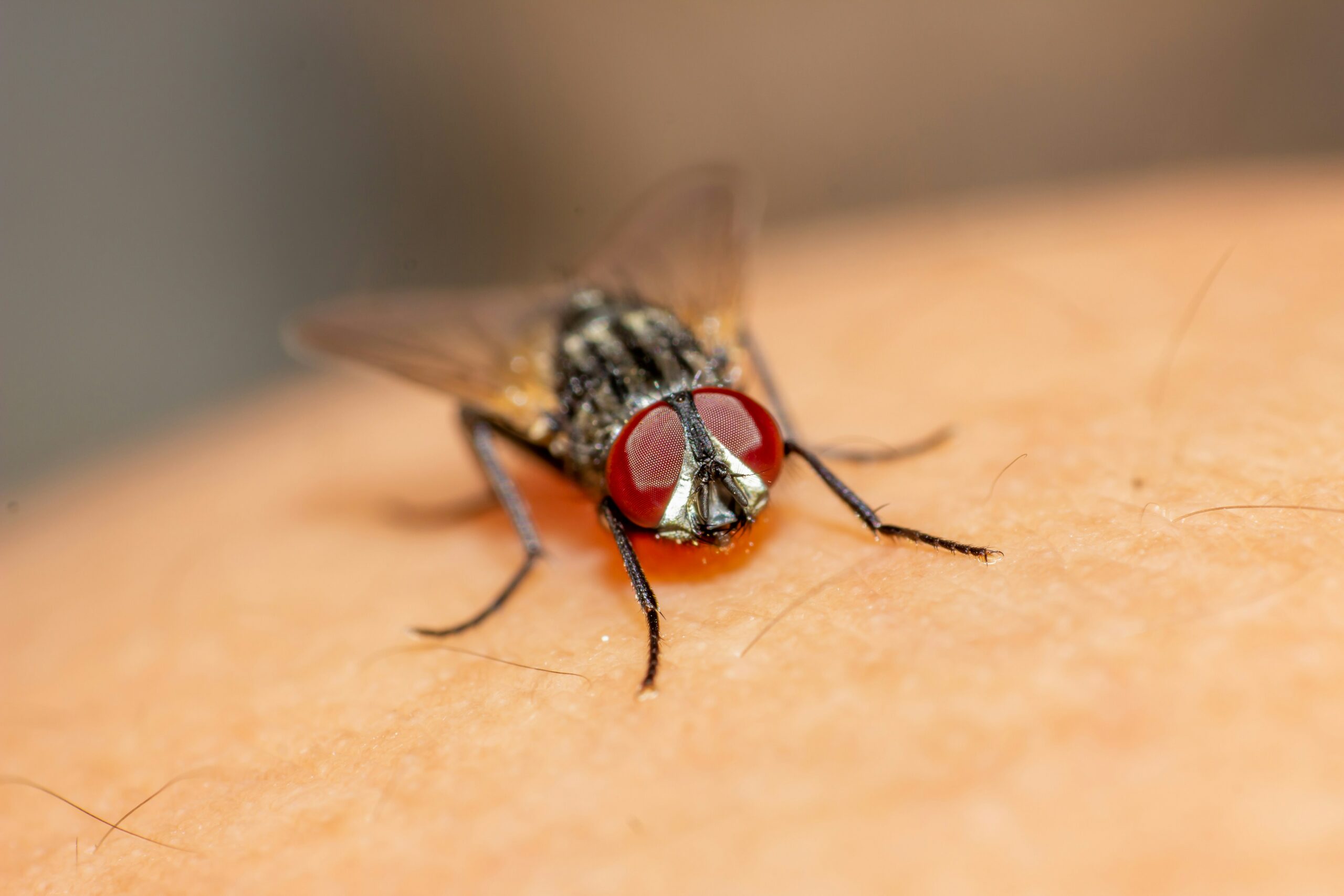
A significant increase in dengue cases and geographical spread is alarming health officials worldwide, who warn that the mosquito-borne virus poses a growing, pervasive threat demanding urgent action.
The World Health Organization (WHO) and regional health bodies are sounding the alarm over what they describe as a accelerating dengue epidemic. Historically confined primarily to tropical and subtropical regions, the viral disease is now infiltrating new geographical areas, driven by a convergence of climate change factors, including rising global temperatures and unpredictable rainfall patterns. Experts suggest this expansion necessitates a radical rethinking of public health strategies to prevent widespread outbreaks, particularly as resources remain stretched globally following the recent pandemic.
Why Dengue Is Spreading Faster Than Ever
Dengue is transmitted through the bite of infected Aedes mosquitoes, primarily Aedes aegypti. While most infections result in mild, flu-like symptoms, a small percentage can progress to severe dengue, which can lead to plasma leakage, respiratory distress, and internal bleeding—often requiring hospitalisation and potentially proving fatal.
Several interacting factors are contributing to the dramatic rise in incidence:
- Climate Change and Vector Habitat: Warmer temperatures shorten the incubation period of the virus within the mosquito and increase the insect’s biting rate. Additionally, shifting rainfall patterns create more transient pools of stagnant water, which serve as ideal breeding grounds for Aedes mosquitoes in urban and peri-urban environments.
- Urbanisation and Mobility: Rapid, unplanned urban expansion, often lacking sufficient sanitation infrastructure, facilitates dense human populations living in close proximity to mosquito breeding sites. International travel and trade also hasten the movement of both infected individuals and the vector itself across borders.
- Serotype Cycles: Dengue has four distinct serotypes (types 1-4). Immunity to one serotype does not protect against the others; instead, subsequent infections with a different serotype increase the risk of developing severe dengue. Outbreaks often peak when a previously non-circulating serotype enters a population.
Data from the Pan American Health Organization (PAHO) and the WHO suggests the Americas and South-East Asia are experiencing record-breaking numbers of reported cases this year, far surpassing historical averages. This trend is placing immense strain on healthcare systems already grappling with endemic pressures.
Public Health Strategies Must Adapt
In response to the escalating threat, proactive and integrated control measures are essential. Dr. Maria Rojas, an epidemiologist advising the WHO, emphasises that reliance solely on reactive measures like emergency fogging is insufficient.
“We must shift from reactive responses to sustained, community-led prevention,” Dr. Rojas stated. “This means consistent surveillance, rapid case detection, and, most crucially, tackling the mosquito at the larval stage before they ever become biting adults.”
Key preventative actions recommended by health authorities include:
- Source Reduction: Eliminating all sources of standing water inside and outside homes (e.g., clearing gutters, discarding old tires, regularly cleaning water storage containers).
- Personal Protection: Using mosquito repellents, wearing long sleeves and trousers, and installing screens on windows and doors, especially during peak biting hours (dawn and dusk).
- Enhanced Surveillance: Implementing robust epidemiological tracking systems to monitor cases and the movement of the Aedes mosquito population.
Vaccines, such as the dengue vaccine, are becoming available in some high-risk regions but are not a standalone solution. Their use must be integrated carefully with effective mosquito control efforts.
Health officials urge residents in affected and at-risk zones to remain vigilant. Early symptom identification—including high fever, severe headache, and joint pain—can be crucial for timely medical intervention and preventing progression to the more dangerous severe form of the disease. The growing reach of dengue underscores the need for greater global cooperation in climate resilience, infrastructure development, and infectious disease control to protect populations from this increasingly potent and ubiquitous vector-borne illness.