Climate change is increasingly disrupting global agricultural systems, posing severe challenges to food security and pushing vulnerable populations toward potential humanitarian crises, according to recent analysis from several international bodies.
The interconnected web of global food production is facing unprecedented stress as escalating extreme weather events—including prolonged droughts, devastating floods, and intense heatwaves—hinder crop yields across major producing regions. This instability threatens to drive up commodity prices, exacerbate existing inequalities, and significantly complicate global efforts to alleviate hunger and meet sustainable development goals, prompting urgent international coordination on climate resilience and resource management.
Weather Shifts Decimate Staple Crops
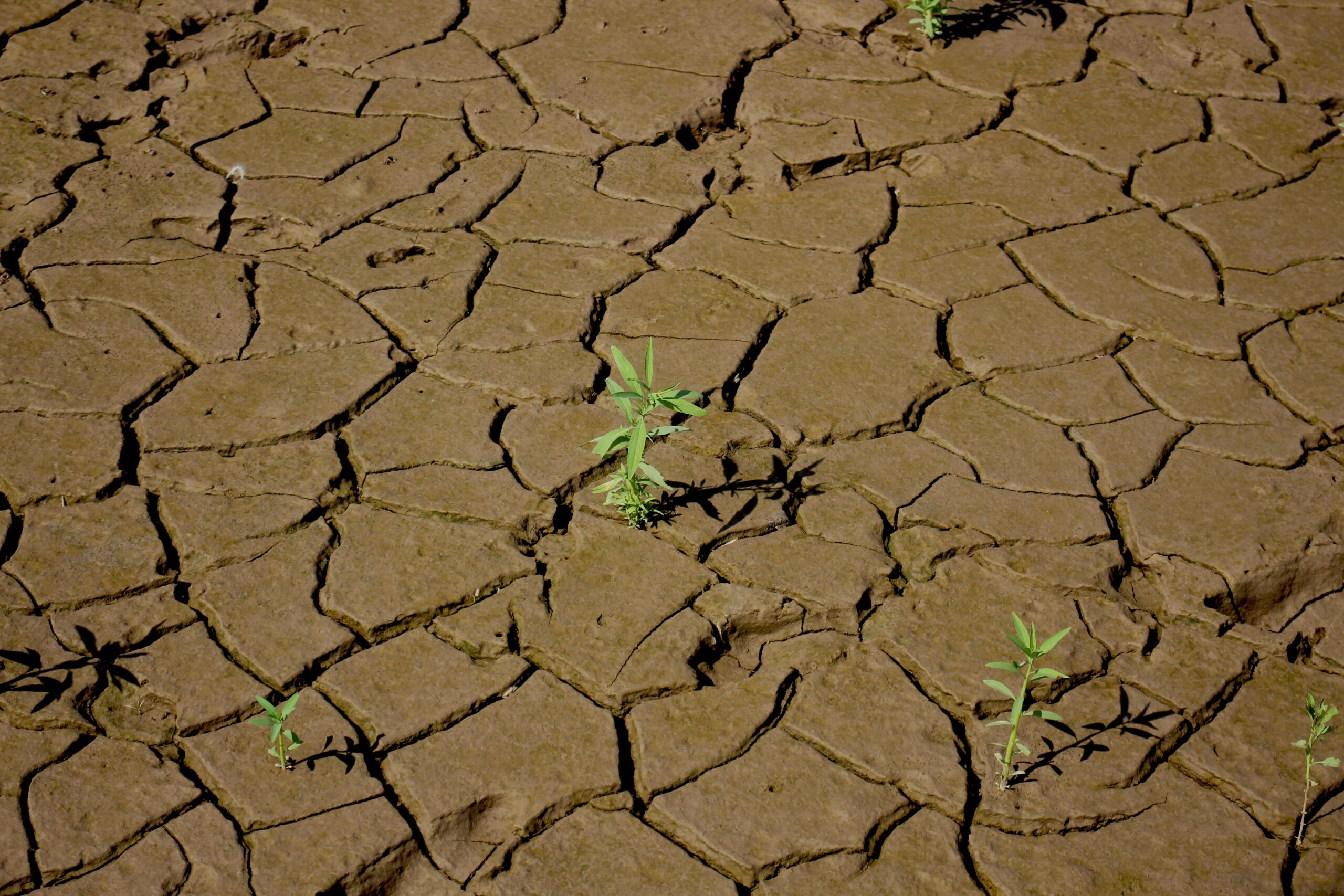
Agricultural output is particularly vulnerable to the shifting climate patterns. Regions traditionally considered breadbaskets are now experiencing erratic and unpredictable seasons. In North America, persistent large-scale heat domes have impacted grain harvests, while extensive drought conditions across parts of Africa and the Middle East have decimated subsistence farming, placing millions at immediate risk of food scarcity.
The cascading effects are seen globally. When one major producer, such as Ukraine for sunflower oil or Brazil for soybeans, faces a climate-induced poor harvest, the resulting market volatility swiftly transfers the burden to net-importing nations, particularly those in the Global South already struggling with high rates of poverty and internal conflict.
Dr. Anya Sharma, an expert in agricultural economics focusing on climate adaptation, highlights the urgency. “We are observing a direct correlation between the frequency of climate shocks and the severity of localized food shortages,” she noted. “The resilience mechanisms we relied upon in the past—such as diversified supply chains and commodity reserves—are now strained simultaneously, demanding a radical rethinking of agricultural practices worldwide.”
Building Resilience in a Climate-Stressed World
International organisations like the UN Food and Agriculture Organisation (FAO) emphasize that immediate action is necessary to safeguard future harvests. Strategies must move beyond merely reacting to crises and instead focus on proactive adaptation and mitigation.
One major avenue is the rapid adoption of climate-resilient agriculture. This involves implementing farming techniques designed to withstand climate variability and conserve precious resources. Key practices include:
- Drought-Tolerant Varieties: Investing in research to breed or genetically modify staple crops (like maize, wheat, and rice) to thrive with less available water.
- Water-Saving Technology: Utilizing precision irrigation, rainwater harvesting, and integrated water management systems to maximize efficiency.
- Agroforestry and Soil Health: Integrating trees into farming systems and focusing on conservation tillage to improve soil structure, carbon sequestration, and moisture retention.
- Early Warning Systems: Enhancing meteorological forecasting and disseminating timely information to farmers, allowing them to make informed decisions about planting and harvesting windows.
Policy and Investment Imperatives
Addressing the climate-food crisis requires synchronized global policy and significant financial investment, primarily directed towards the most exposed communities. The World Bank estimates that billions will be required annually to sufficiently climate-proof global food systems.
Political instability and trade restrictions can compound the crisis, turning a localized crop deficiency into a widespread humanitarian emergency. Therefore, maintaining open and fair trade policies, coupled with robust international aid and safety nets, remains crucial for buffering the most vulnerable against inevitable climate shocks. The coming decade will prove critical in determining whether the global community can effectively transition to sustainable food pathways before climate change permanently destabilizes the foundation of human nutrition.