The United Nations’ Food and Agriculture Organization (FAO) announced a significant surge in its global food price index for May, marking a sharp reversal after seven months of steady decline and raising fresh concerns about food security and humanitarian aid efforts worldwide.
The FAO Food Price Index, a vital measure tracking monthly changes in the international costs of commonly traded food commodities, registered a 0.9 point, or 0.6%, increase in May, ascending to 129.5 points. This increase, though seemingly modest, represented the first upward movement since July of last year, signaling renewed volatility in global agricultural markets. The primary drivers of this acceleration were substantial upticks in the prices of dairy and sugar, which countered notable drops in the indices for vegetable oils and cereals.
Key Price Movements Driving the Surge
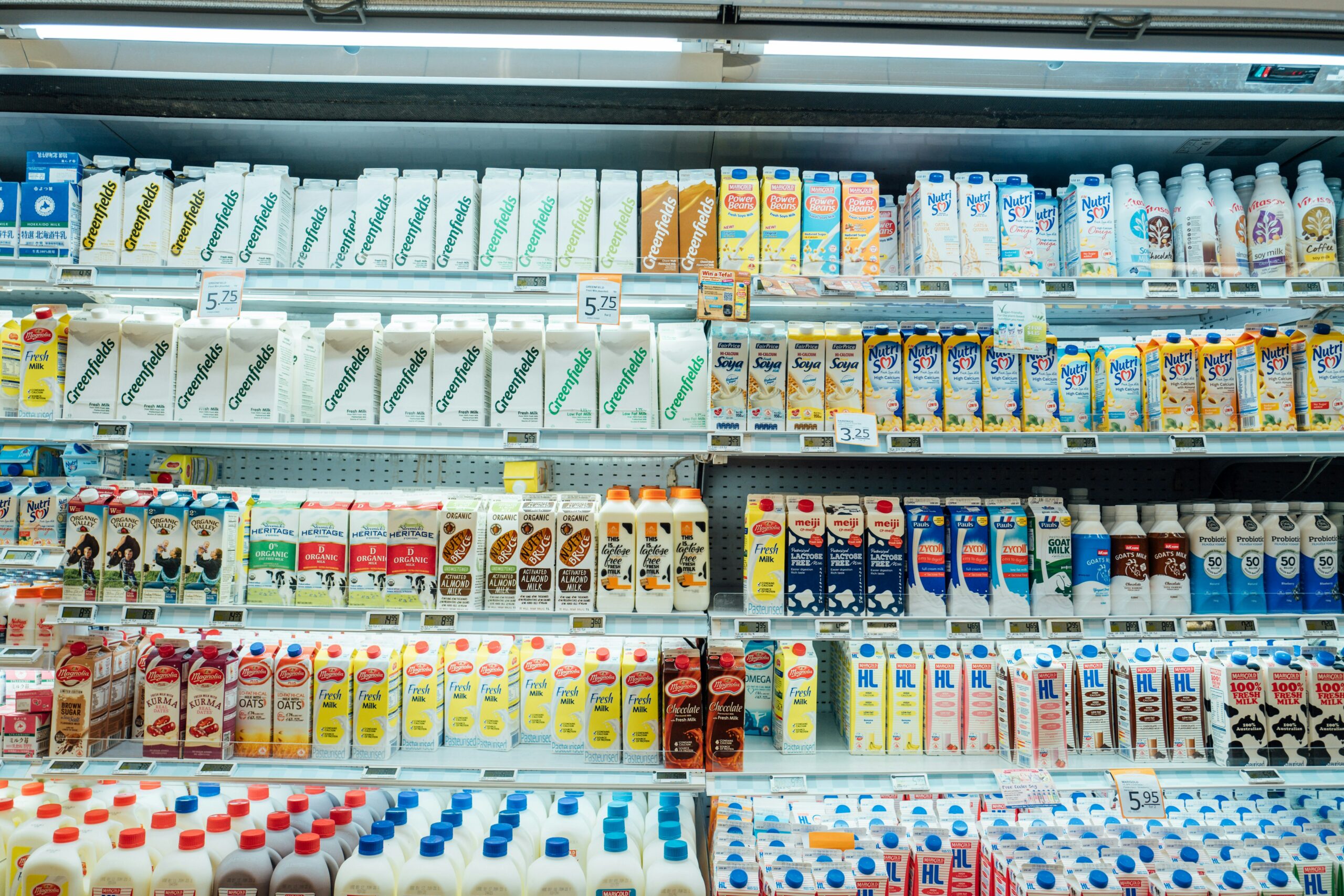
The Dairy Price Index experienced the most dramatic growth, jumping 3.5% from April’s figures. This upward pressure was largely attributed to anticipated spring production decreases in Western Europe coupled with strong import demand, particularly from Asian markets.
Similarly, the Sugar Price Index escalated by 5.5% month-over-month. Factors contributing to this rise included persistent worries over weather conditions impacting harvests in major producing nations like Brazil and India, alongside robust international purchasing activity.
Conversely, the market provided some relief in other sectors. The Vegetable Oil Price Index dropped by 5.6%, reaching its lowest point since September 2021. This decline was primarily driven by greater-than-expected palm oil production coupled with reduced demand from the biodiesel sector.
Meanwhile, the Cereal Price Index fell by 4.8%. This reduction was largely influenced by improved global supply outlooks for maize (corn) and larger projected harvests in key exporting countries, which offset a slight increase in international wheat prices driven by concerns over dryness in some European growing regions.
Impact and Future Concerns
The reversal in trend is significant because falling food prices had previously offered a much-needed respite to countries struggling with high inflation and strained humanitarian budgets following the global economic upheaval of recent years. Continued volatility in core commodity markets jeopardises the stability of food systems, particularly for nations reliant on imports.
“While the overall drop in cereals and oils is encouraging, the sharp hikes in dairy and sugar demonstrate that underlying market pressures remain intense,” commented one senior agricultural economist. “These price fluctuations disproportionately harm the world’s most vulnerable populations, forcing difficult trade-offs between essential needs.”
The implications extend beyond consumption costs. Sustained high prices impact farming inputs, feed costs for livestock, and ultimately contribute to general inflation. The FAO is actively monitoring weather patterns, geopolitical risks, and export policies, which collectively determine the direction of the markets in the coming months.
Looking Ahead: Policy Interventions Required
To mitigate the effects of persistent high food prices, experts recommend a multi-pronged approach:
- Strengthening Local Production: Investing in resilient domestic food systems and climate-smart agriculture technologies to reduce reliance on volatile global supply chains.
- Improving Trade Transparency: Ensuring smooth, predictable international trade flows and avoiding restrictive export bans that exacerbate price spikes.
- Targeted Support: Deploying flexible social safety nets and timely humanitarian aid to protect the most food-insecure households from immediate price shocks.
The FAO’s timely data serves as a critical warning: despite some easing in staple grains, the cost of the global food basket remains elevated, requiring urgent policy attention to safeguard nutrition and economic stability worldwide.