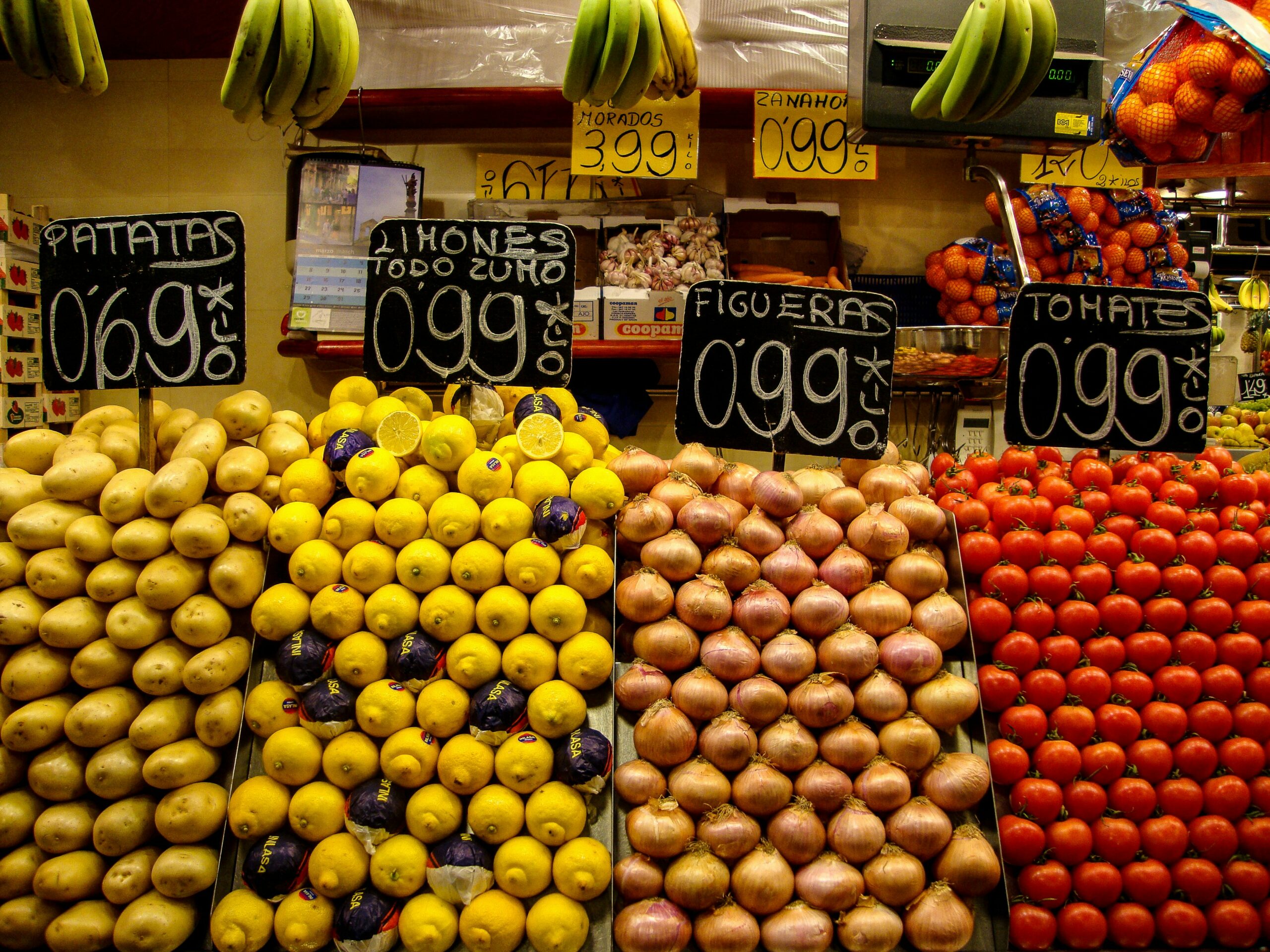
The cost of essential foodstuffs surged across the globe in June, hitting a 10-year high following months of accelerating inflation driven by adverse weather conditions, robust post-pandemic demand, and elevated energy and fertiliser prices, according to the latest figures from the UN’s Food and Agriculture Organization (FAO). This sharp escalation in the widely tracked FAO Food Price Index—a measure of the monthly change in international prices of a basket of commonly traded food commodities—raises profound concerns about access, affordability, and heightened food insecurity, particularly in developing nations reliant on imports.
The index averaged 124.6 points in June, marking an increase of 3.3% from the revised May figure and reflecting the twelfth consecutive monthly rise. This trajectory positions global food costs at their highest level since July 2011, underscoring systemic vulnerabilities within international supply chains.
Drivers Behind the Commodity Surge
The current inflationary landscape is composite, fuelled by pressures across multiple commodity markets. Cereal prices saw a particularly steep ascent, largely driven by dry weather forecasts impacting harvest expectations in the United States and Canada, key producers of maize and wheat, respectively. Simultaneously, high demand from China, which rapidly rebuilt its hog population following disease outbreaks, contributed significantly to the tight maize market.
Vegetable oils experienced similar upward pressure. Palm oil costs climbed due to limited production capacity in Southeast Asia, while soya oil prices gained momentum from drought-related concerns affecting South American harvests. Dairy products also contributed to the overall index increase, with international butter, skimmed milk powder, and cheese prices all rising, underpinned by steady demand and tight logistics.
Meat prices continued their climb, reflecting strong import interest from Asian markets and internal supply constraints in several major exporting countries. Conversely, sugar prices showed a slight moderation, primarily due to favourable production outlooks in Thailand and India, providing a small respite to the broader upward trend.
Impact on Developing Nations
For many low-income and net food-importing countries, these sustained price hikes translate directly into higher consumer inflation and increased pressure on vulnerable households. When staple food costs soar, families are often forced to choose cheaper, less nutritious options, worsening malnutrition rates and exacerbating public health crises.
Expert analysis suggests that while commodity prices are elevated, the true impact felt by consumers is often amplified by internal factors. Transportation costs, processing fees, retail markups, and domestic taxation all play a part in determining the final supermarket price.
“While global benchmark prices grab headlines, the immediate need is for governments to deploy targeted social safety nets,” stated an economist tracking food systems. “Subsidies and cash transfers must be rapidly scaled up to shield the poorest populations from the devastating effects of food inflation.”
Future Outlook and Policy Responses
The current environment of elevated prices is expected to persist into the latter half of the year, contingent on weather patterns crucial for the upcoming Northern Hemisphere harvests and the overall global economic recovery pace. The FAO has warned that the continuous price increases may slow in the coming months, but significant downward adjustments are unlikely without substantial improvements in crop yields and a normalisation of energy and logistics costs.
Policymakers face the dual challenge of ensuring long-term food security while mitigating short-term inflation. This requires strategic investments in climate-resilient agriculture, reduced dependency on fossil fuels in the food chain, and greater transparency in global commodity trading. Addressing these structural issues is vital to prevent future crises from disproportionately harming the world’s most economically fragile populations and ensure sustainable global food access.