Rome, Italy – Global food commodity prices witnessed a sustained decline through June, marking the lowest level recorded since early 2022, according to the latest figures released by the Food and Agriculture Organization of the United Nations (FAO). This welcome deflationary trend, driven primarily by strong output projections for key staples and reduced import demand, offers a measure of relief to consumers amid ongoing economic instability, though experts caution that geopolitical risks persist.
The FAO Food Price Index, which tracks the monthly changes in international prices of a weighted basket of five major food commodity groups, averaged 122.3 points in June. This represents a drop of 1.4% from May and a sharp 23.4% decrease from the historic peak reached in March 2022 following Russia’s full-scale invasion of Ukraine.
Cereal and Vegetable Oil Drops Lead Fall
The downward movement was broad-based, with significant contributions from the Cereal Price Index and the Vegetable Oil Price Index. Wheat prices experienced substantial pressure downward due to favorable weather conditions across major producing regions, notably in North America and Europe, signaling robust projected harvests. Similarly, improved global supply forecasts for maize, particularly in South America, helped push international coarse grain prices lower.
The Vegetable Oil Index plummeted considerably, primarily reflecting decreased quotations for palm, soy, and sunflower oils. Palm oil prices reacted to sustained high productivity in key Southeast Asian growing nations, while slowing global import activity further contributed to softening prices.
Conversely, the Sugar Price Index provided a counterpoint to the overall trend, registering a marginal increase. This slight rise was attributed to concerns over the impact of the El Niño weather phenomenon on production forecasts in major sugar exporters, specifically Thailand and India.
Decoding the Global Outlook
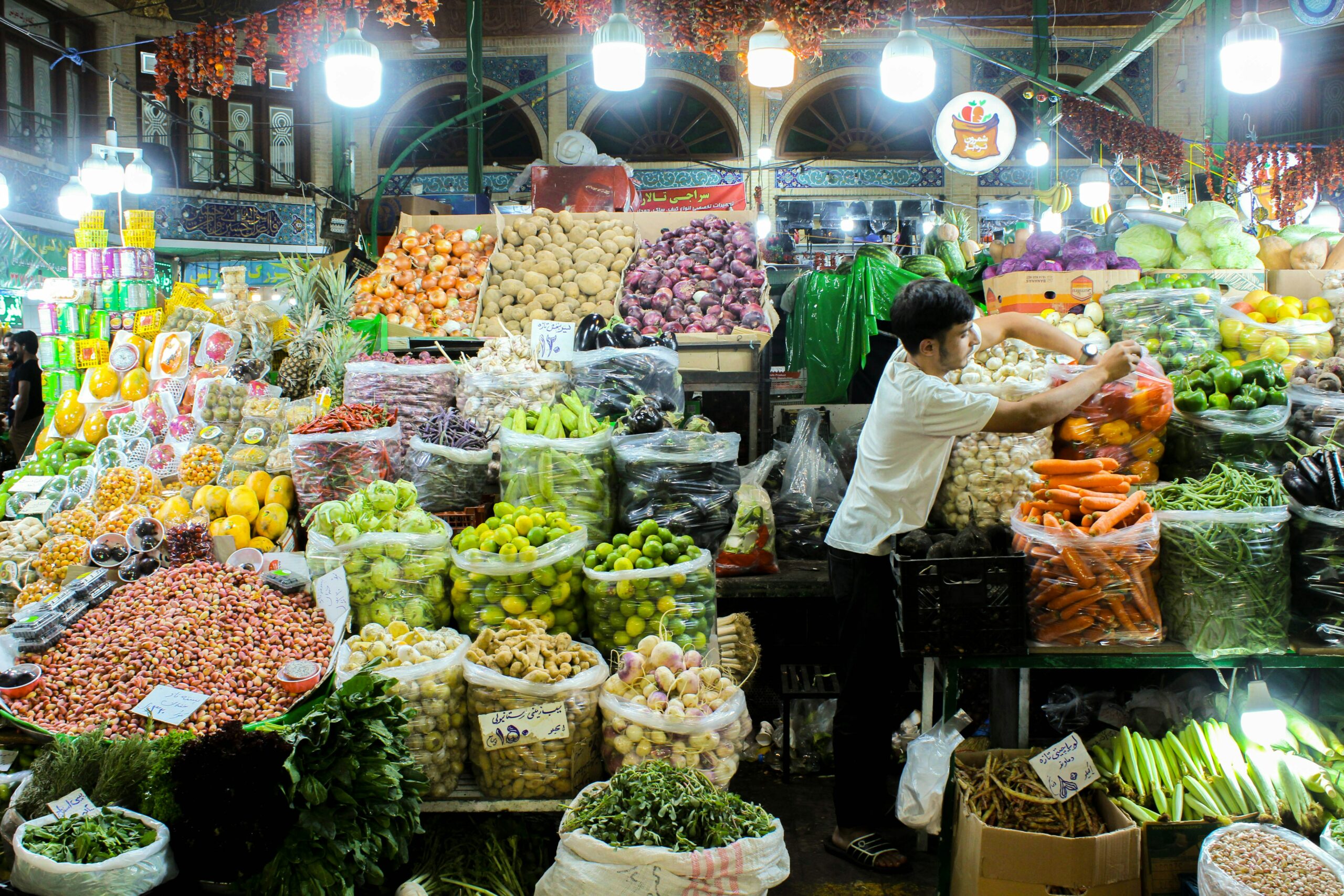
While the continuous decline in raw commodity prices is a positive signal for combating food-price inflation on the consumer level, market analysts emphasize the complexities of the current environment. Dr. Arif Khan, a senior economist specializing in agricultural markets, notes that the translation of lower commodity costs to reduced supermarket shelf prices is often slow.
“The pipeline from farm to plate involves numerous steps—processing, logistics, and retail overheads—all of which are still absorbing elevated energy and labor costs,” Dr. Khan explains. “Therefore, while the foundation for price easing is there, consumers won’t see an immediate 23% drop in their grocery bills.”
Persistent Risks and Supply Chain Vigilance
Despite the improved outlook, the global food system remains vulnerable to shocks. The FAO highlights several crucial areas that require vigilance:
- Geopolitical Instability: Renewed tensions or disruptions in key Black Sea shipping lanes could immediately trigger volatility, resurrecting the supply fears that drove the 2022 surge.
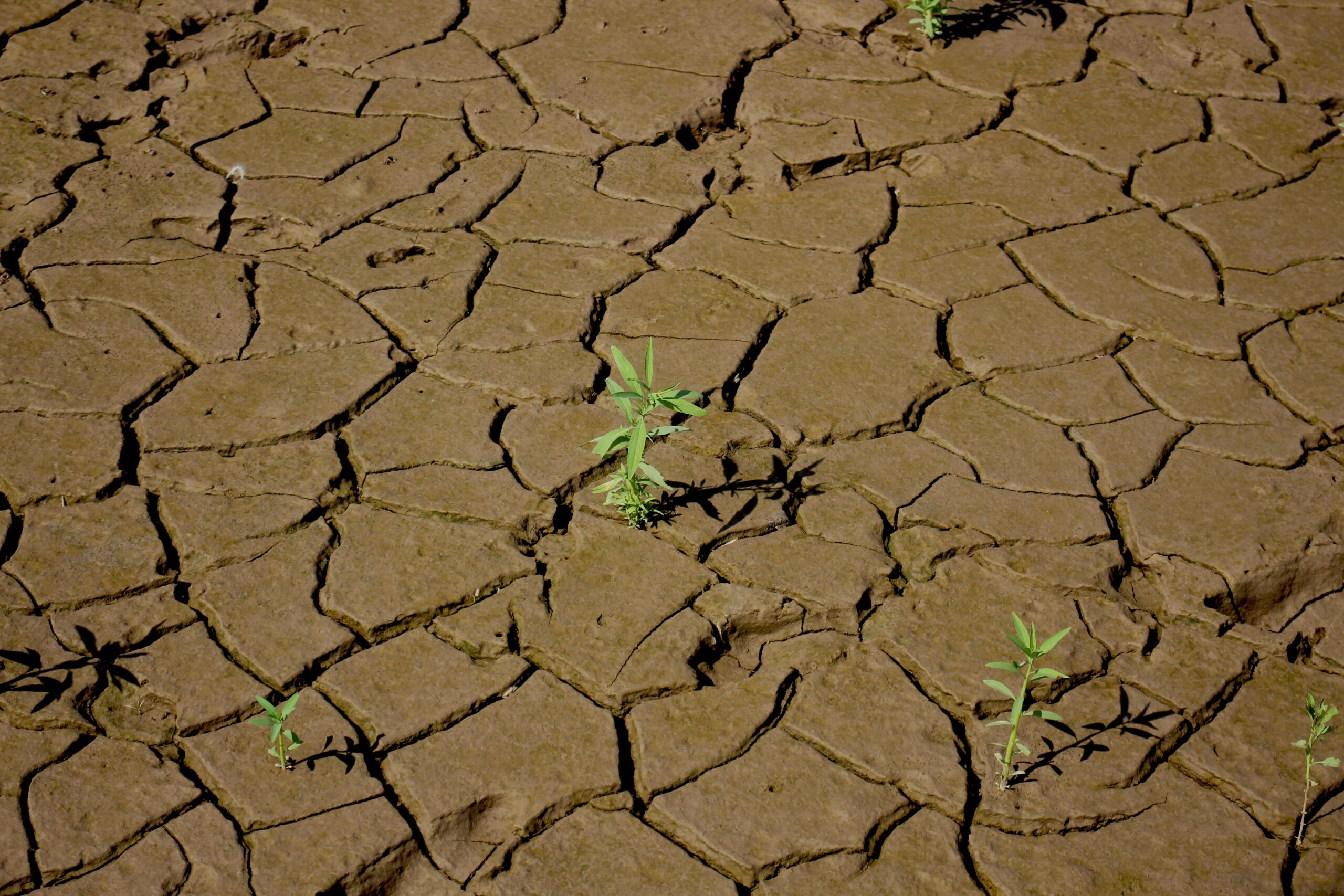
- Climate Change: The growing threat of extreme weather events, including prolonged droughts or flooding associated with El Niño, poses a substantial risk to future harvests, potentially reversing current positive trends.
- Currency Volatility: For import-dependent nations, local currency depreciation against the US dollar can quickly negate the benefits of lower hard-currency commodity prices.
The current price environment presents an opportunity for governments and international organizations to focus on rebuilding long-term resilience. Strategic measures include investing in climate-resilient agriculture, optimizing supply chains to reduce post-harvest losses, and maintaining transparent trade policies to ensure stable market access. The sustained stabilization of global markets will depend not just on favorable weather, but on proactive risk management against inevitable future disruptions.