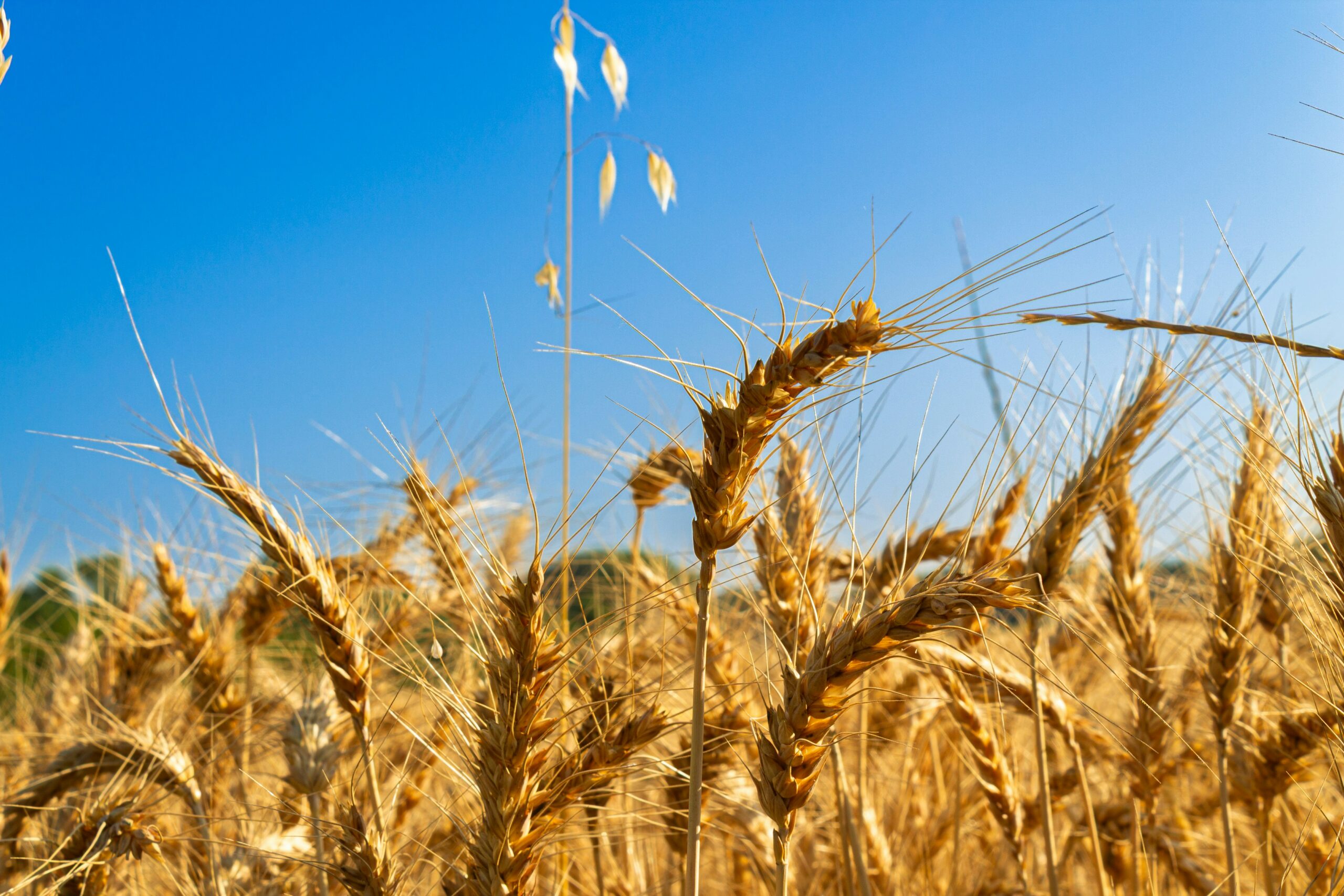
Worldwide food commodity prices experienced a notable decline in May, marking a crucial shift driven by easing trade friction and robust global supplies.
Global benchmarks for food commodity prices fell sharply last month, recording their second consecutive monthly decrease since the beginning of the year. The Food and Agriculture Organization (FAO) Food Price Index, which tracks the monthly international fluctuation of staple foods, reported a significant drop, confirming the downward trajectory witnessed after a January peak. This encouraging trend, released in the FAO’s latest assessment, reflects improved production forecasts for several key crops and a general reduction in certain trade barriers that had previously inflated costs.
The decline was particularly pronounced across the indices measuring vegetable oils and cereals. The index for vegetable oils saw the most substantial fall, plummeting to its lowest level since 2020. This drastic reduction is largely attributed to anticipated high output in major producing regions, coupled with reduced demand from the biofuel sector. Similarly, the cereal index receded thanks to favourable weather conditions improving harvest expectations in critical exporting nations, particularly for maize and wheat. Global wheat inventories are now projected to remain healthy despite ongoing geopolitical tensions.
Sugar and Dairy Maintain Price Stability
While several core staples saw price compression, the indices for minor commodities remained relatively stable or showed only small fluctuations. The sugar price index, for instance, dipped slightly, influenced by promising harvesting conditions in Brazil—the world’s largest sugar exporter—which offset concerns about tight availability in parts of Asia.
Meanwhile, the price index for dairy products remained largely steady. Although global milk output is generally high, strong import demand from Asian economies provided underlying support, preventing a significant price slide. The meat index also exhibited minimal movement, with stable prices for poultry and pig meat counterbalancing slightly lower quotations for bovine cuts due to subdued buying interest in Europe and the Americas.
Economic Relief and Future Outlook
This broad-based reduction in international food prices offers a welcome sign of potential easing for consumers worldwide battling persistent inflation. According to several economic analyses accompanying the FAO data, lower commodity prices often translate into reduced costs for packaged goods and groceries, though the lag time for this effect can vary by region.
“The continued decline in global benchmarks is a positive signal for food security, particularly for import-dependent nations,” explained an FAO senior market analyst in their commentary. “However, this stability remains contingent on sustained positive weather patterns and the continued unimpeded flow of trade. Any major disruption, whether from climate events or policy shifts, could quickly reverse this trend.”
Key Drivers of the Price Drop:
- Improved Production Forecasts: Higher yields expected for maize, wheat, and oilseeds.
- Reduced Trade Friction: Easing of specific export bans and accumulated inventories.
- Decreased Biofuel Demand: Particularly affecting the vegetable oils market.
Despite the recent good news, experts caution that domestic food price inflation often decouples from international commodity movements due to factors like labour costs, transportation logistics, and local tax policies. Governments and aid organizations will be carefully monitoring these indices as lower global prices offer a window of opportunity to replenish national grain reserves and stabilize domestic markets ahead of the unpredictable summer growing season.