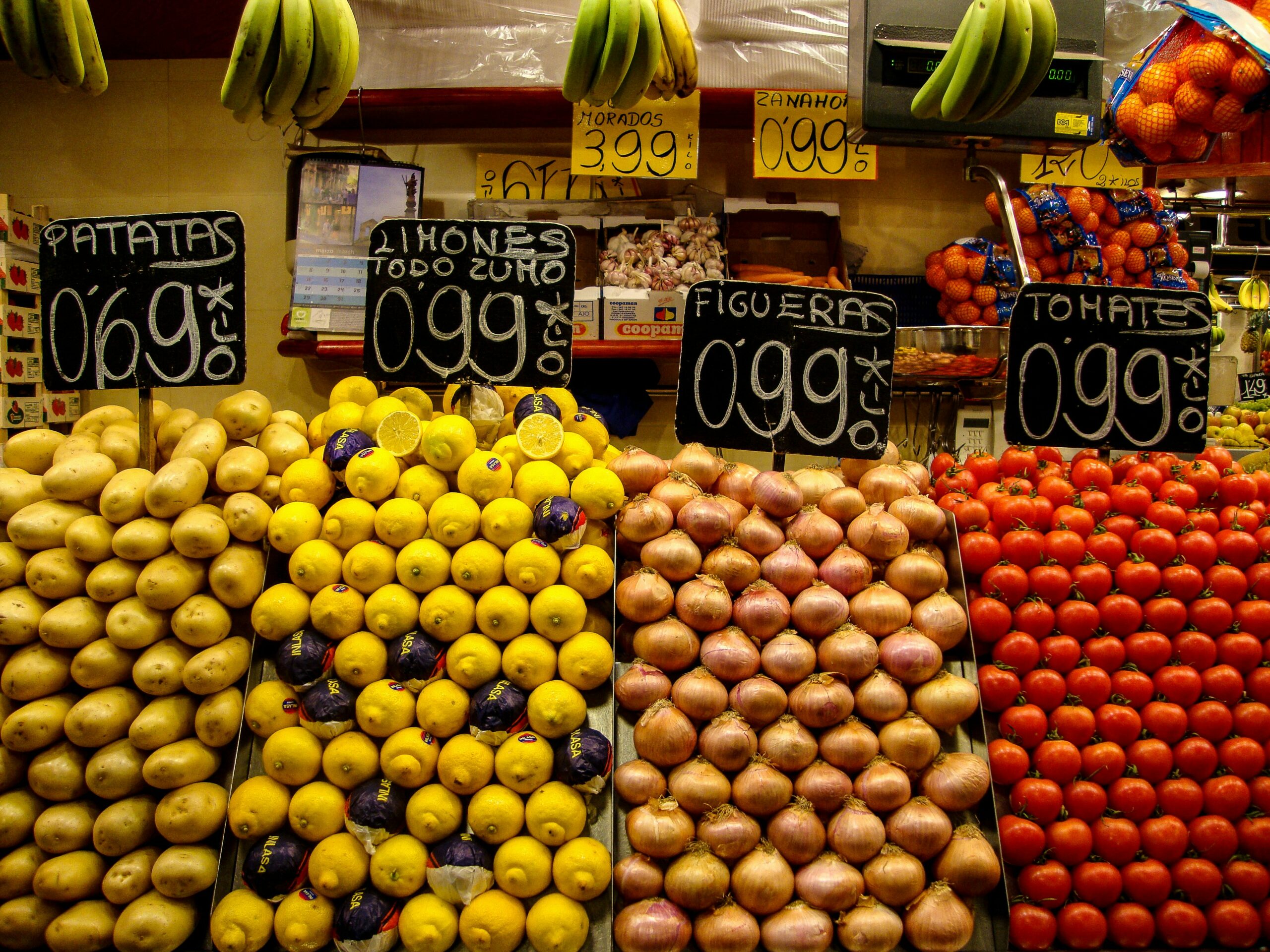
Rome, Italy—Global food commodity prices registered a third consecutive monthly decline in May, pushed lower primarily by robust global supply forecasts for cereals and increased export capabilities from key producing regions, according to the latest figures released Friday by the Food and Agriculture Organization (FAO) of the United Nations. The FAO Food Price Index, which tracks monthly changes in the international prices of widely traded food commodities, averaged 154.5 points in May, a 0.8% decrease from April’s revised figure, though still significantly elevated compared to pre-pandemic benchmarks.
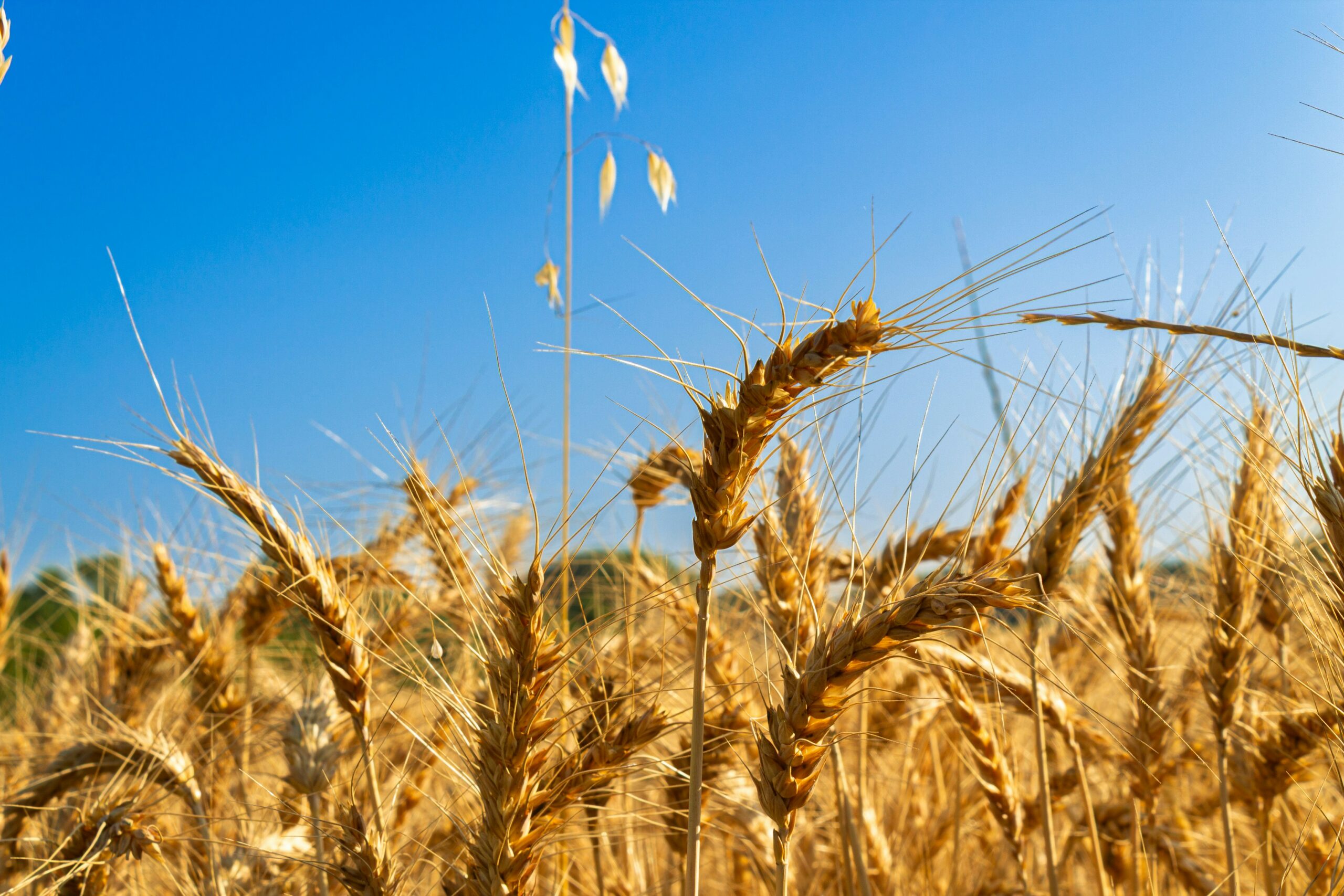
The downturn was largely driven by substantial drops in the price of cereals and vegetable oils. Wheat prices experienced the most significant fall, reflecting optimistic outlooks for production in both the European Union and Russia, coupled with better-than-anticipated harvesting conditions in parts of North America. Conversely, the FAO Sugar Price Index saw a modest rise, driven by fears that adverse weather conditions in Thailand and reduced production estimates in Brazil might tighten global supply.
Supply Chain Resilience Boosts Market Confidence
The overall market sentiment signaled increasing resilience in global supply chains, despite lingering geopolitical tensions and high energy costs. The vegetable oil index dipped 1.5% from April, marking a low not seen since October 2021. This decrease was mainly attributed to lower international prices for palm oil, which were influenced by seasonally rising production in Southeast Asia and continued strong export performance.
Experts suggest this softening trend offers a necessary, albeit often marginal, reprieve for consumers globally who have faced persistent food inflation for over two years. FAO Senior Economist Dr. Michael Chen noted that while the monthly decline is encouraging, structural challenges remain.
“We are seeing supply forecasts stabilize, which is crucial for lowering futures market sentiment,” Dr. Chen stated. “However, the input costs for farmers—especially fertilizers and energy—remain stubbornly high. This creates a floor under the market, meaning the speed of price deflation at the retail level may be slower than the commodity figures suggest.”
Divergent Trends in Dairy and Meat Sectors
While staples like cereals saw relief, other sectors experienced diverging pressures. The FAO Dairy Price Index rose slightly by 0.3% in May, marking a stabilization after six months of decline. This marginal increase was spurred by robust import demand for butter and whole milk powders, particularly from Asian markets, partially offsetting weaker European buying interest.
The FAO Meat Price Index remained relatively constant. Strong global demand for poultry continued to provide upward pressure, counterbalancing a modest fall in bovine and ovine meat prices. Concerns over animal disease outbreaks in certain regions, coupled with high feed costs, continue to limit the expansion of global meat production.
Implications for Global Food Security
The sustained easing of commodity prices offers important breathing room for low-income, food-deficit countries, many of which rely heavily on imports of basic foodstuffs. However, currency depreciation in several importing nations continues to inflate the final cost for local consumers, effectively neutralizing some of the commodity price gains.
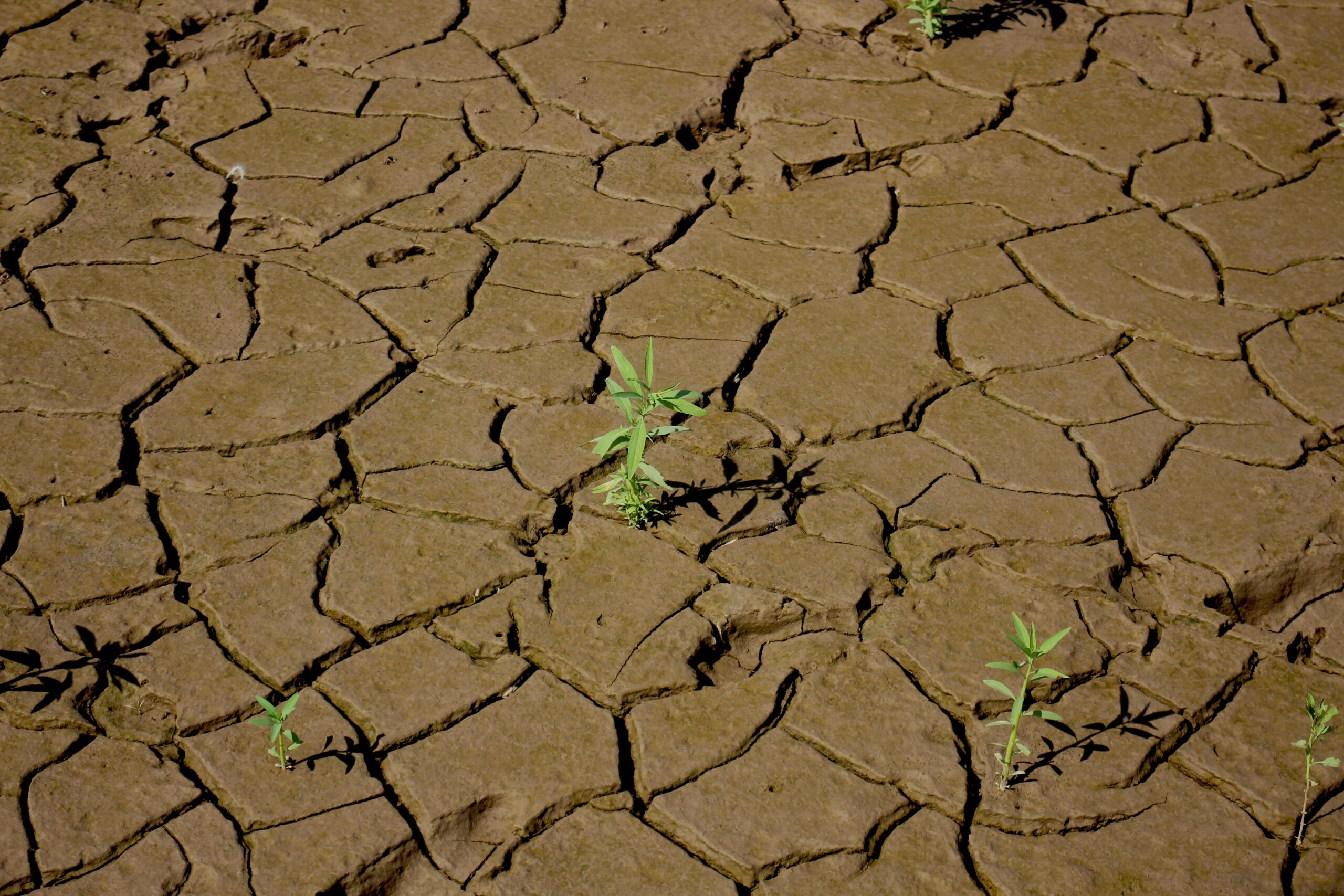
For consumers and policymakers, the key takeaway is cautious optimism. While the worst of the volatility may have passed for staple commodities, securing future resilience requires sustained investment in climate-smart agriculture and reducing dependency on volatile energy markets. Analysts predict that price levels will likely stabilize near current figures through the summer, barring any unforeseen large-scale climate events or geopolitical disruptions impacting major breadbaskets. Monitoring crop conditions in the Southern Hemisphere as their planting seasons commence will be critical in determining the trajectory for early 2024.