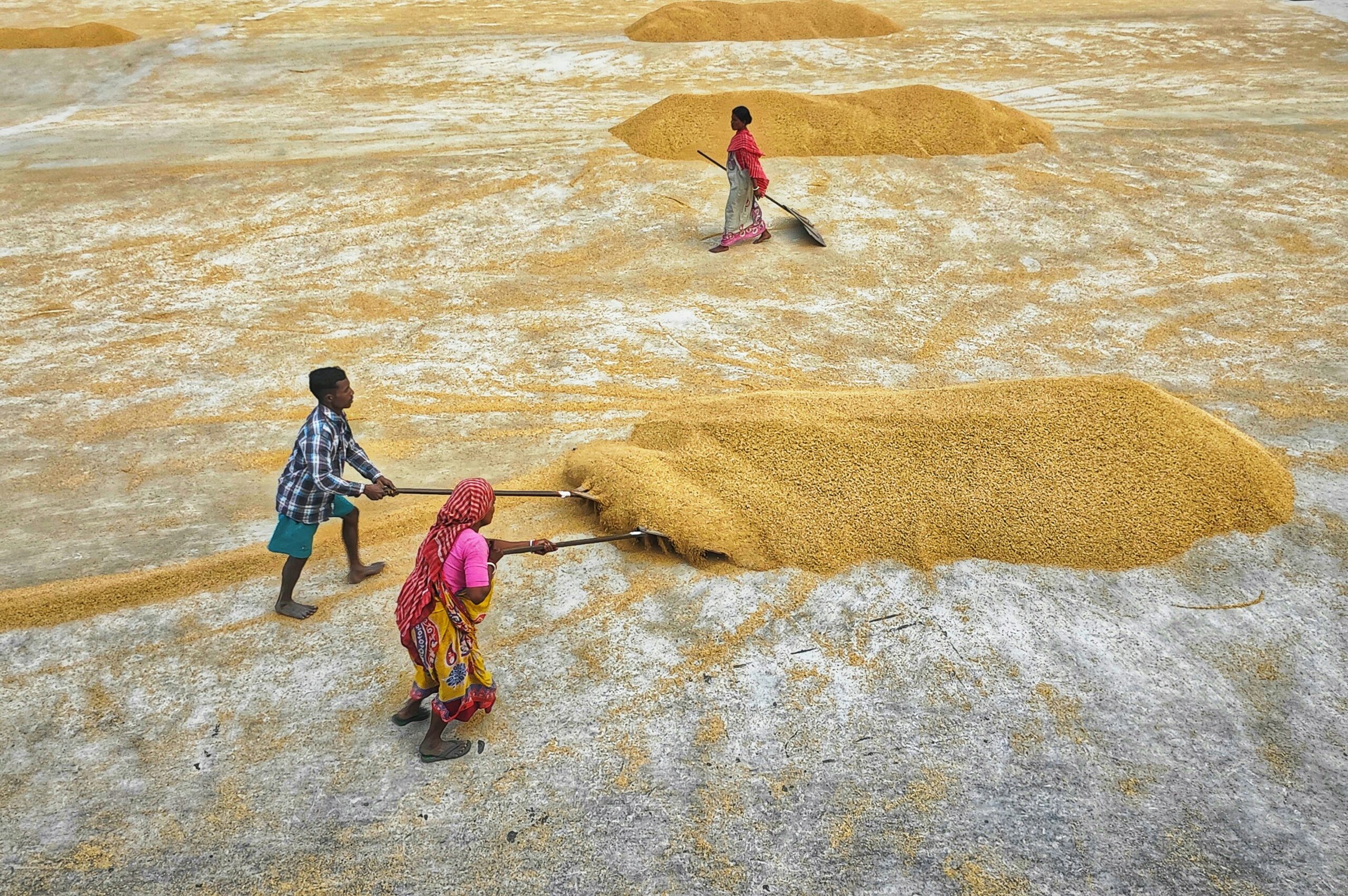
Mounting instability in worldwide food markets is disproportionately threatening food security and fueling a deepening humanitarian catastrophe across the globe’s most resource-poor countries, according to recent analyses. This volatility, driven by a confluence of geopolitical conflict, extreme weather patterns, and ongoing supply chain disruptions, is translating directly into higher costs for essential staples, pushing millions more families into chronic hunger.
Understanding the Surge in Food Costs
The current spike in global commodity costs is more complex than simple inflation; it is characterized by extreme price swings that prevent developing nations from making stable import decisions, budgeting for subsidies, or planning agricultural output. Key factors influencing this environment include Russia’s invasion of Ukraine, which severely restricted exports of critical grains and fertilizers; persistent, drought-induced crop failures across vast regions of Africa and Asia; and elevated energy prices that increase the expense of harvesting, processing, and transporting food.
Agricultural economists note that while prices for some staples—like certain vegetable oils—have recently moderated from 2022 peaks, the overarching costs of necessary imports such as wheat and rice remain stubbornly high, or fluctuate wildly based on intermittent crises. The poorest nations, which dedicate the largest share of household income to food, are least equipped to absorb these shocks.
“When staple food prices jump by 10 or 20 percent in a high-income nation, it’s a burden; but in nations where eighty percent of a family’s meager income is spent merely on feeding themselves, it’s a direct threat to survival,” explained Dr. Elara Chen, a senior research fellow specializing in global food resilience at the London School of Economics. “The unpredictable nature of these prices makes recovery almost impossible without sustained international aid.”
Impact on Vulnerable Populations
The immediate ramification of this volatility is seen on the streets, where food insecurity quickly transforms into malnutrition and social unrest. Countries heavily reliant on imported calories, particularly those in the Horn of Africa and the Middle East, are facing acute pressure. The World Food Programme (WFP) estimates that the combination of high prices and reduced access puts hundreds of millions at risk of starvation, often forcing desperate choices.
For example, in multiple Sahel nations, local reports indicate families are resorting to ‘severe coping mechanisms,’ including selling livestock—their primary long-term asset—or withdrawing children from school to work, actions that undermine future economic stability.
Actionable Steps for Global Stability
Addressing this worsening crisis requires a concerted global strategy focused on both immediate relief and long-term structural resilience.
- Diversifying Supply Chains: International bodies must incentivize the creation of regional food reserves and support localized, climate-resilient agriculture to reduce reliance on distant, vulnerable global hubs.
- Targeted Social Protection: Governments, supported by foreign aid, need to institute adaptive social safety nets, such as conditional cash transfers, which automatically increase aid when local food prices cross critical thresholds.
- Sustainable Climate Mitigation: Investing heavily in global initiatives that help farmers adapt to extreme climate variations is essential, stabilizing yields and providing predictable harvest outputs.
Stabilizing global food prices is not merely an economic objective; it is a fundamental humanitarian imperative. Failure to mitigate this volatility risks reversing decades of progress in poverty reduction and exacerbating geopolitical instability across already fragile regions. International collaboration remains the key to shielding the world’s most vulnerable people from continuous and unpredictable hunger crises.