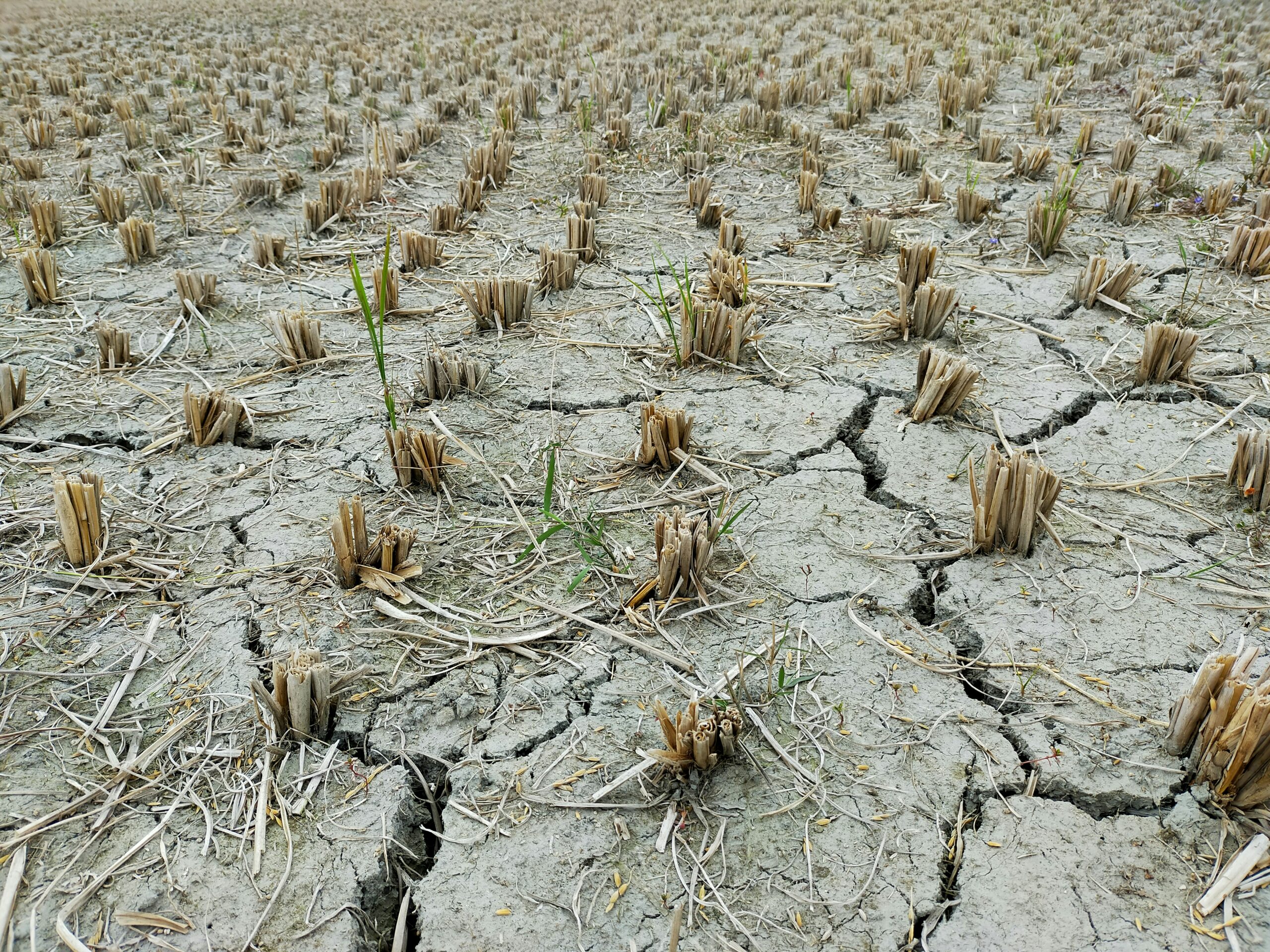
Extreme weather events fueled by a changing climate are increasingly threatening global food security, jeopardising essential harvests and driving up commodity prices across the world, according to recent agricultural and climate analyses. From severe droughts and floods to unprecedented heatwaves, these disruptions are shrinking yields of fundamental crops like wheat, rice, and maize in pivotal growing regions, raising the spectre of widespread food shortages and nutritional crises, particularly in vulnerable nations dependent on stable global supply chains.
Climate Instability Undermines Essential Crop Yields
The bedrock of the world’s food supply—staple grains—is facing mounting pressure due to meteorological instability. Recent data indicates that historically reliable agricultural zones are experiencing higher frequencies of disruptive events. For instance, prolonged droughts in North America and southern Europe have severely curtailed wheat production, while simultaneous, intense monsoon floods across parts of Asia have decimated rice paddies just before harvest. This confluence of negative events is not accidental; climate models predict increased frequency and severity of such “compound events,” where multiple hazards strike simultaneously or in close succession.
Food economists caution that this volatility transcends purely agricultural concerns, impacting inflation and international relations. When major producers face harvest shortfalls, countries relying on imports must compete fiercely for reduced supplies, driving up food costs both at the shelf and within institutional procurement. This ripple effect disproportionately impacts low-income families globally, forcing painful trade-offs between essential nutrition and other necessities.
Supply Chain Fragility Exposes Vulnerabilities
Beyond the field, the modern global food system, built for efficiency and relying heavily on just-in-time shipping, proves extremely fragile in the face of widespread environmental shock. A localized crop failure can compound quickly, transforming into a global shortage if transport routes are compromised by severe weather or if trade policy reacts defensively to scarcity.
Experts suggest this crisis demands a paradigm shift in how food is produced and distributed. Resilience must become the priority, moving away from systems optimised solely for cost efficiency. Dr. Anya Sharma, an agricultural policy specialist, notes that diversification is key: “Relying on monoculture production across large tracts of land makes us highly susceptible to single-weather threats. We need to invest in climate-resilient farming techniques and support geographical diversification of production.”
Strategies for Building a More Secure Food Future
Addressing this looming threat requires comprehensive policy adjustments and significant investment in sustainable practices. Farmers and policymakers are exploring several proactive measures aimed at mitigating climate risk and strengthening food security:
- Agroecological Practices: Integrating techniques such as crop rotation, cover cropping, and conservation tillage helps improve soil health, making farmland more resistant to both drought and excessive rain.
- Precision Agriculture: Utilising technology like sensors and GPS mapping allows farmers to manage resources (water, fertilizer) more effectively, reducing waste and increasing yields under variable conditions.
- Genetic Resilience Research: Developing and deploying crop varieties that are naturally more tolerant of extreme heat, salinity, or waterlogging is crucial for maintaining productivity in shifting climates.
- Improved Warning Systems: Implementing more accurate and localized weather forecasting and early warning systems allows farmers to make timely decisions, such as adjusting planting schedules or harvesting early.
Ultimately, the stability of the dinner table is inextricably linked to the stability of the climate. As the planet warms, safeguarding the world’s food supply is no longer merely an agricultural concern, but a central challenge for public health, economic growth, and global peace. International bodies and national governments must accelerate investments in adaptation and mitigation to ensure that basic nourishment remains accessible to all.