Climate Extremes and Conflict Push Millions to Brink of Famine
The confluence of severe climate events, protracted conflicts, and escalating economic instability is dramatically worsening global food security, pushing millions of people toward acute hunger and potential famine. Recent assessments from international humanitarian organizations reveal a stark deterioration in the ability of vulnerable populations—particularly in sub-Saharan Africa, the Middle East, and parts of Asia—to access adequate nutrition, signaling a humanitarian crisis of unprecedented scale. The interplay between climate-induced agricultural failures and conflict-driven displacement is disrupting supply chains and devastating local economies, making the challenge of global hunger significantly more complex than in previous decades.
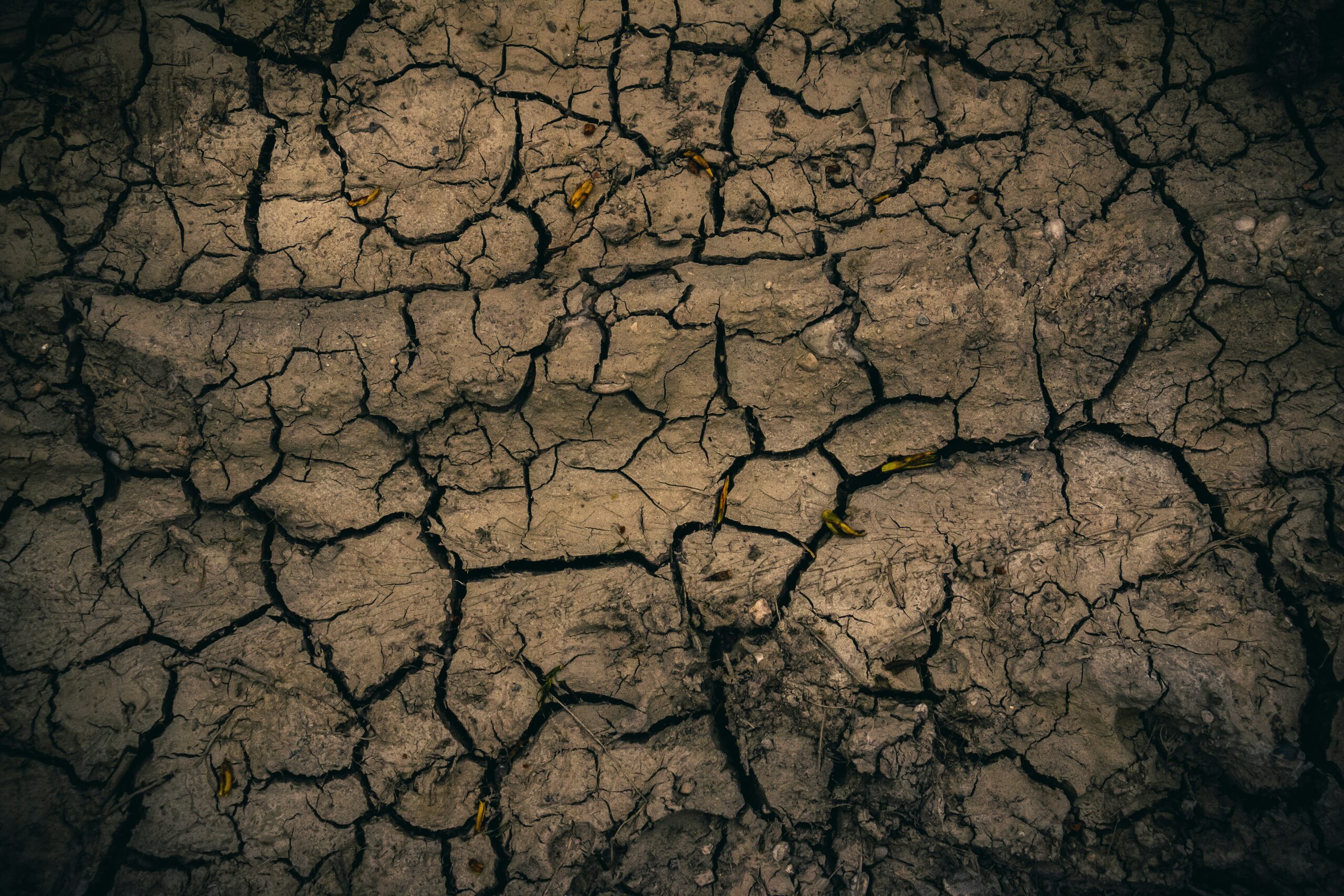
The fundamental drivers of this crisis are twofold. Firstly, climate change is manifesting as increasingly unpredictable weather patterns, including prolonged droughts, catastrophic flooding, and extreme heatwaves. These events directly impair crop yields and livestock health, decimating the primary livelihoods of subsistence farmers. Regions like the Horn of Africa, grappling with the longest and most severe drought in recent memory, exemplify this impact, with water and pasture shortages leading to massive internal displacement and malnutrition rates soaring.
Secondly, armed conflict and political instability remain massive accelerators of hunger. Conflicts in places such as Sudan, Yemen, and Ukraine not only destroy physical infrastructure—farms, roads, and storage facilities—but also intentionally or incidentally block the movement of food aid and agricultural inputs like fertilizer and seeds. The forced displacement of millions further strains resources in already poor host communities, compounding the nutritional deficit. Disruption stemming from the war in Ukraine, a critical global supplier of grains and cooking oils, continues to affect international food prices, rendering essential nutrition unaffordable for the poorest households worldwide.
Economic Fallout and Funding Gaps
While global food production capacity generally remains sufficient, the economic barriers to access have become almost insurmountable for many. High inflation, coupled with the rising cost of fuel and energy, increases the expense of food production, transport, and delivery. Furthermore, many nations facing hunger crises are simultaneously battling immense debt burdens, limiting their capacity to invest in long-term resilience strategies or acquire necessary emergency food stocks.
Humanitarian agencies are simultaneously struggling with a significant disparity between funding needs and actual donations. The United Nations estimates that emergency appeals for food and nutritional support are often only partially funded, forcing organizations to triage aid and cut rations. This funding gap is critical, especially when timely intervention can prevent the progression from severe food insecurity to outright famine.
Building Resilience and Sustainable Solutions
Addressing this multifaceted crisis requires moving beyond emergency food aid toward long-term, sustainable solutions. Experts emphasize the need for integrated strategies focusing on climate adaptation and peacebuilding.
- Climate-Smart Agriculture: Investing in drought-resistant crops, efficient irrigation techniques, and early warning systems can help farmers maintain yields despite increasing climatic volatility.
- Strengthening Local Markets: Supporting local food processors and distribution networks reduces reliance on volatile global supply chains and empowers smallholder farmers.
- Prioritizing Peace: Humanitarian access and sustainable recovery are impossible without political solutions that end conflicts and ensure the safety of aid workers and vulnerable populations.
The global community faces a clear imperative: failure to act decisively on food security now means facing potentially irreversible human costs, widespread instability, and the erosion of decades of development gains. Global cooperation and sustained financial commitment are vital to shift the trajectory from crisis management to genuine resilience.