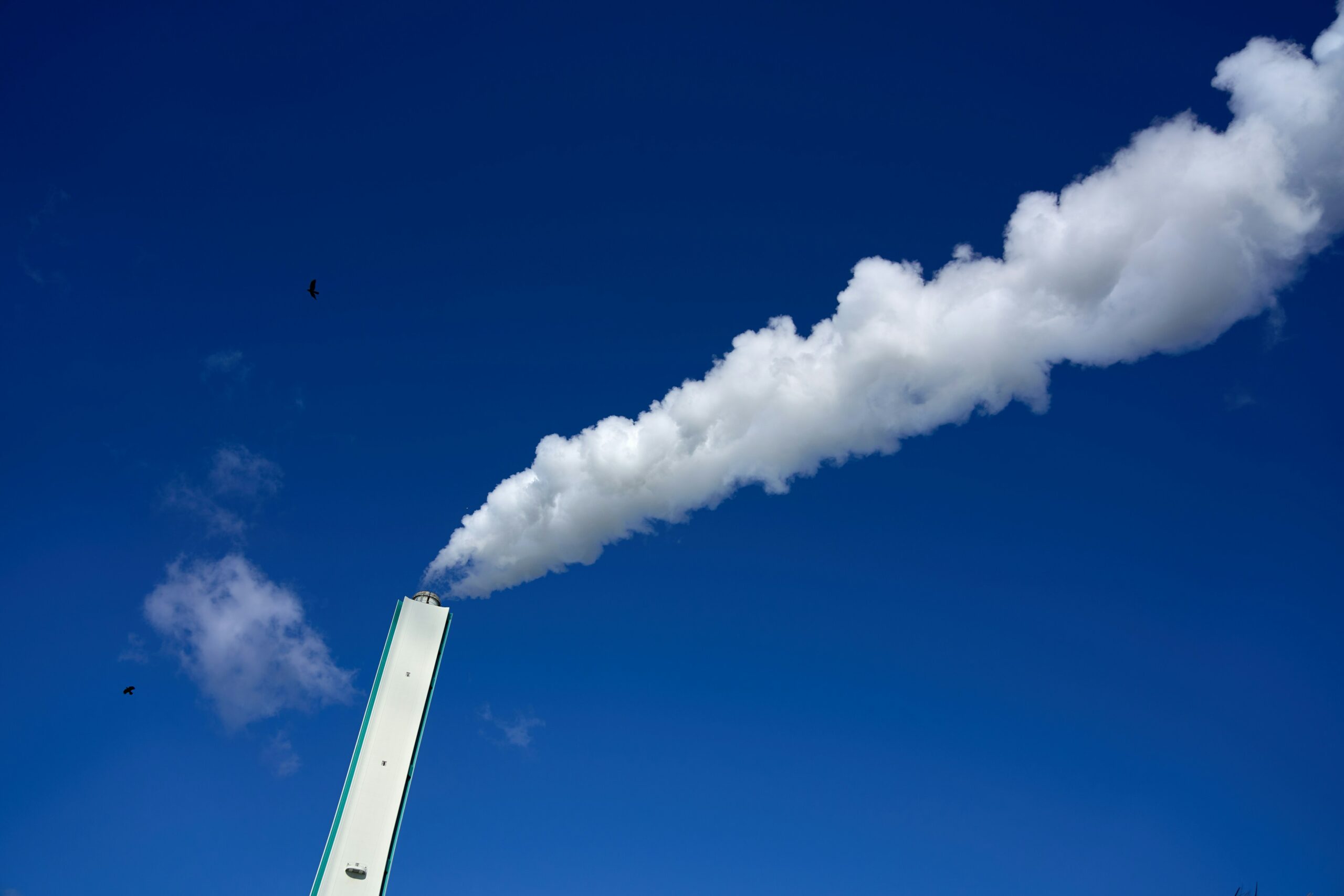
The world’s battle against climate change faces renewed challenges as global carbon dioxide emissions surged to unprecedented levels last year, marking a worrying divergence from international commitments. Despite widespread pledges to achieve net-zero targets and phase down fossil fuels, a new analysis reveals that total energy-related CO2 emissions surpassed previous records, underscoring the gap between ambition and implementation. This escalation, driven primarily by rebounding industrial activity and reliance on coal in key regions, raises serious concerns about the planet’s trajectory toward limiting global warming to 1.5 degrees Celsius above pre-industrial levels, the critical threshold outlined in the Paris Agreement.
The latest figures, compiled by a consortium of climate research agencies, confirm that global energy emissions climbed by approximately one per cent compared to the prior year, reaching an historical peak. This increase, though seemingly small, represents a substantial volume of greenhouse gases released into the atmosphere. Experts point to several factors underpinning this spike, including robust economic growth in developing nations, where energy demand remains high, and a persistent dependence on cheaper, carbon-intensive fuels like coal for electricity generation.
Coal and Asia Drive Emission Growth
While renewable energy sources, such as solar and wind power, experienced record installation worldwide, their growth was not swift enough to offset the rising consumption of fossil fuels. A significant portion of the global emissions increase originated from Asia, where rapidly expanding economies relied heavily on coal power to meet industrial and residential energy needs. This dynamic highlights the complex development pressures faced by countries balancing economic advancement with climate responsibilities.
Simultaneously, even as some developed Western economies showed slight declines in their carbon output, these reductions were often insufficient to counterbalance increases elsewhere. The analysis suggests that geopolitical conflicts and energy market volatility contributed to a temporary reversion to coal use in certain regions seeking immediate energy security solutions.
An environmental policy analyst, speaking anonymously due to ongoing international negotiations, noted the urgent disconnect: “We are witnessing a structural failure to decarbonize at the required speed. The investment in renewables is growing, but it’s still outpaced by energy appetite met by fossil fuels. We are clearly still operating within a carbon-intensive economic framework.”
Implications for the Paris Climate Goals
The sustained rise in emissions presents a formidable obstacle to achieving the goals of the Paris Agreement. Limiting warming to the ambitious 1.5°C target requires global emissions to peak immediately and then decrease dramatically by 2030. The current trend moves the world further away from this critical timeline.
The findings place intensified pressure on governments ahead of the next major United Nations climate conference. Policymakers face difficult decisions regarding increasing mandatory regulatory measures, redirecting trillions in capital toward clean energy infrastructure, and improving energy efficiency globally.
Key areas requiring immediate action include:
- Accelerated coal phase-out: Establishing firm deadlines and providing financial support for countries to transition away from coal-fired power plants.
- Massive renewables deployment: Removing bureaucratic and grid bottlenecks that slow the integration of solar, wind, and geothermal energy.
- Methane reduction: Implementing stronger regulations to curb emissions of methane, a potent short-lived greenhouse gas, from oil, gas, and agriculture.
- Enhanced efficiency: Incentivizing energy conservation measures across industrial, transport, and residential sectors.
If the global community continues on this high-emissions trajectory, climate change impacts—including extreme heatwaves, intense flooding, and crop failures—will become more frequent and severe, disproportionately affecting vulnerable populations. The record emissions signal a vital moment for countries to translate high-level rhetoric into verifiable, deep emission cuts, or risk irreversible damage to the climate system.