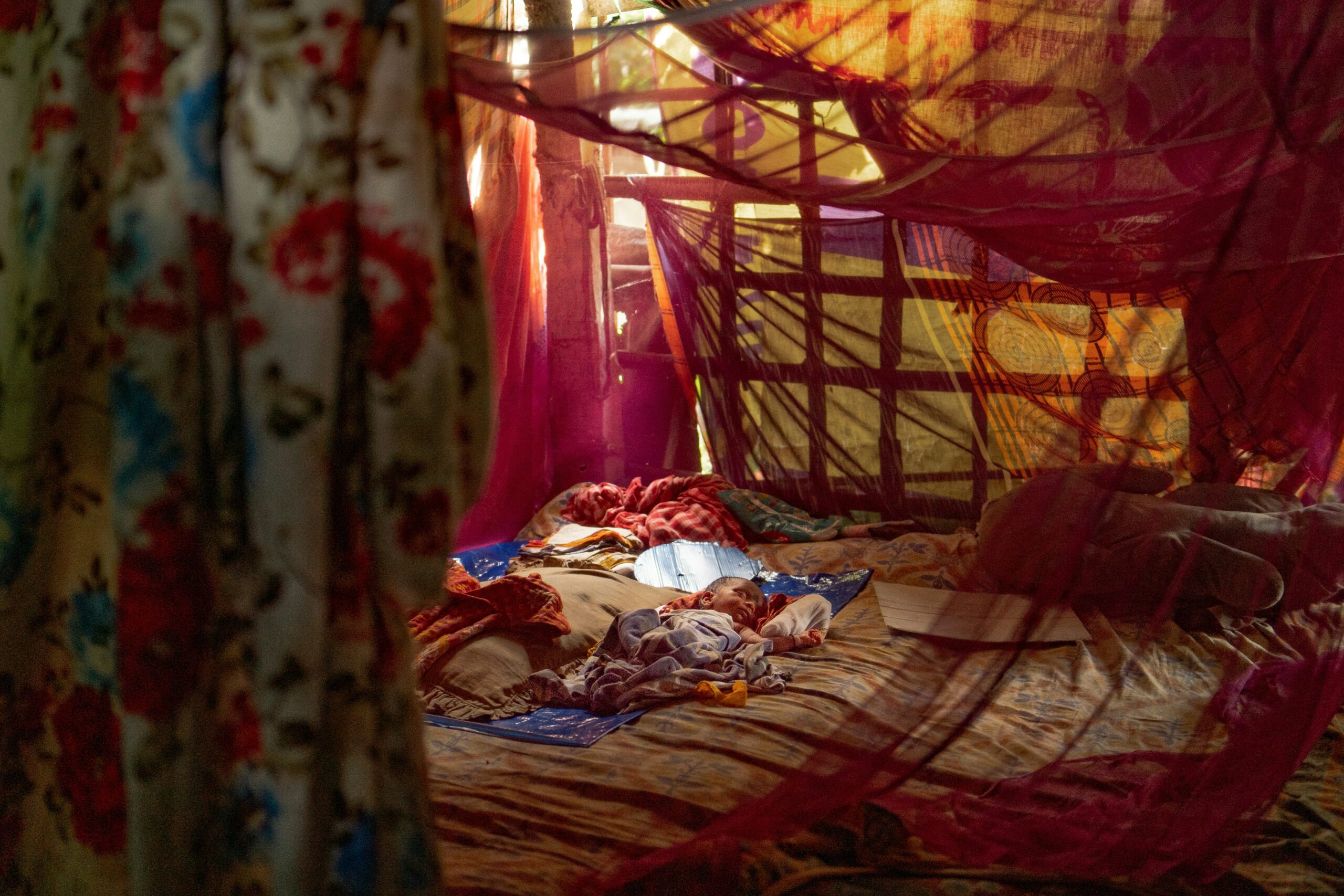
Efforts spearheaded by international organizations and backed by significant funding are showing tangible success in reducing the global burden of malaria, yet health experts caution that emerging biological and environmental threats risk derailing decades of progress. A comprehensive assessment released this week by the World Health Organization (WHO) confirms substantial reductions in both incidence and mortality rates across several endemic regions, particularly sub-Saharan Africa, over the past three years. This achievement is largely attributed to the widespread deployment of integrated strategies, including the distribution of insecticide-treated bed nets (ITNs), increased access to diagnostic testing, and the rollout of new antimalarial therapies.
The report details how proactive surveillance and community engagement initiatives have played a critical role in interrupting local transmission cycles. For example, mass drug administration campaigns in high-transmission areas have rapidly lowered parasite reservoirs, protecting vulnerable populations, especially children under five and pregnant women. Furthermore, the introduction of the first-ever malaria vaccine, while still in its initial deployment phases, promises a significant new tool in the preventative arsenal.
Emerging Threats Challenge Progress
Despite these victories, the fight against the mosquito-borne disease is far from over. Health authorities are increasingly concerned about two major biological challenges: insecticide resistance in mosquitoes and drug resistance in the Plasmodium falciparum parasite, the most lethal malaria strain.
“We are witnessing an alarming increase in insecticide resistance across critical mosquito vector species,” states Dr. Lena Hassan, an epidemiologist specializing in neglected tropical diseases, commenting on the findings. “The efficacy of pyrethroid-based nets, the backbone of our prevention strategy for twenty years, is rapidly declining in many areas. This necessitates urgent investment in new vector control tools, including novel classes of insecticides and biological control methods.”
Simultaneously, pockets of multidrug-resistant malaria parasites are emerging in Southeast Asia and increasingly being detected in Africa. This necessitates constant vigilance and the development of next-generation drug combinations to ensure treatment efficacy remains high.
Climate Change and Funding Gaps
Adding complexity to the situation is the influence of climate change. Altered weather patterns, including unpredictable rainfall and rising temperatures, are expanding the geographical range of the Anopheles mosquito, bringing malaria risk to previously unaffected highland and temperate zones. This requires national health systems to adapt surveillance and response mechanisms rapidly.
While global funding for malaria control has stabilized, the need for sustained and increased investment is critical to maintain momentum. The report highlights that several high-burden nations face persistent gaps in financing, hindering their ability to implement sophisticated surveillance and response systems, particularly in remote rural areas.
Sustaining the Eradication Goal
The ultimate goal of global malaria eradication remains feasible, but requires a renewed, integrated commitment. Future success hinges on four key actions:
- Accelerated Research and Development: Prioritizing new insecticides, advanced diagnostic tools, and effective vaccines.
- Strengthened Health Systems: Enhancing primary healthcare infrastructures to ensure universal access to preventive and curative measures.
- Robust Surveillance: Employing advanced data analytics and genomic sequencing to track and respond to resistance in real-time.
- Sustained Political and Financial Commitment: Mobilizing domestic resources alongside international aid to bridge financing gaps.
As the global health community moves forward, the focus must shift from simply managing the disease to achieving country-by-country elimination, safeguarding the hard-won gains against the formidable and evolving parasite.