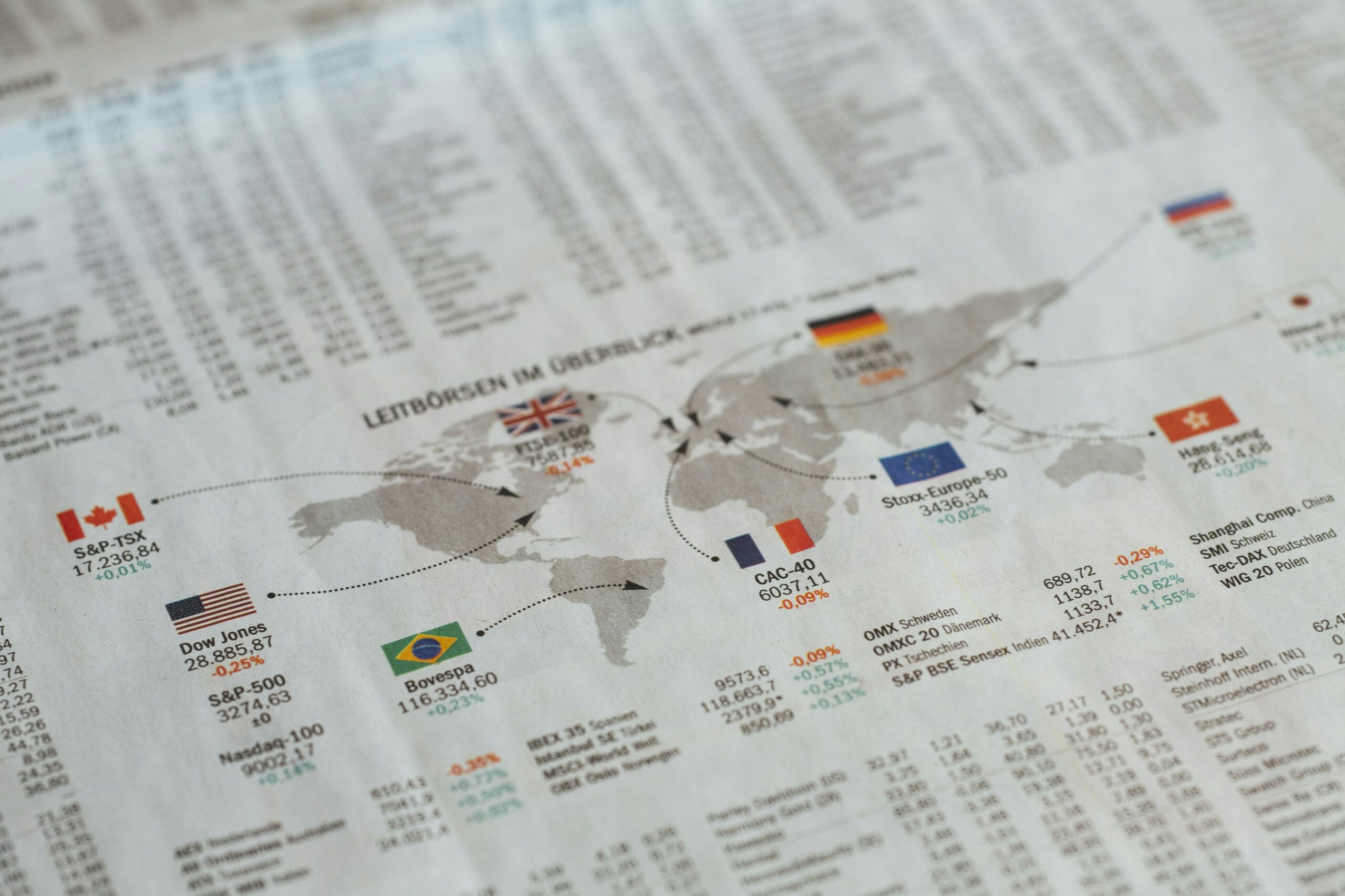
The global economic landscape is navigating a period of profound complexity, characterized by persistent inflationary pressures, fragmented supply chains, and divergent national priorities. As major economies wrestle with the long-term fallout from geopolitical tensions and the lingering effects of rapid technological change, policymakers face the delicate task of stimulating growth while simultaneously managing rising debt and consumer price volatility. This challenging environment suggests a prolonged period of uncertainty for businesses and households worldwide.
Navigating Persistent Inflation and Interest Rate Volatility
A central theme dominating the current economic narrative is the stubborn persistence of high inflation, despite aggressive monetary tightening by central banks across the United States, the Eurozone, and the United Kingdom. While core inflation shows signs of moderating in some developed nations, elevated energy and food costs continue to squeeze middle- and low-income households globally.
This environment necessitates a cautious approach from monetary authorities. The aggressive interest rate hiking cycles of the past two years, designed to curb soaring prices, appear to be peaking. However, central bank leaders have signaled that rates may remain “higher for longer,” bracing markets for a sustained period of moderate growth. The risk remains a difficult trade-off: tightening too much could trigger a recession, while easing prematurely might reignite inflationary spirals.
Adding to the complexity is the fragmentation of global supply chains. The drive toward “de-risking” and “friend-shoring,” catalyzed by geopolitical friction, means that efficient, cost-optimized global production networks are being replaced by more resilient, albeit localized and potentially more expensive, alternatives. This shift is structurally inflationary and contributes to the ongoing differential between producer and consumer prices.
Divergent Growth Paths for Major Economies
The overall picture is highly asymmetrical. The United States economy, bolstered by substantial fiscal spending and a resilient labor market, continues to demonstrate surprising strength, even as recessionary fears loom in certain sectors. Conversely, the Eurozone faces significant challenges, particularly the ongoing energy transition and muted industrial output.
Emerging markets present a varied outlook. Nations rich in natural resources are benefiting from elevated commodity prices, but many are grappling with sovereign debt crises exacerbated by the strong US dollar and rising borrowing costs. The International Monetary Fund (IMF) has stressed the need for tailored debt restructuring programs to prevent sustained economic instability in vulnerable countries.
Key Economic Headwinds:
- Geopolitical Uncertainty: Ongoing conflicts and strained international relations continue to destabilize commodity markets and investment flows.
- Fiscal Drag: High national debt levels require governments to prioritize debt servicing, limiting fiscal stimulus options necessary for high growth.
- Labor Scarcity: Demographic shifts and mismatches in skills mean persistent tightness in labor markets, fueling wage inflation.
The Imperative of Strategic Investment
To break the cycle of low growth and high structural inflation, experts emphasize the urgent need for strategic, productivity-enhancing investments. Capital must be directed toward improving infrastructure, accelerating the green energy transition, and fostering digital transformation. These investments, while costly in the near term, offer the best pathway to increasing long-term economic capacity without exacerbating inflationary pressures.
Policymakers must also focus on strengthening global cooperation to address systemic risks, including climate change mitigation and trade normalization. Without a concerted effort to harmonize regulatory standards and secure essential supply chains—from critical minerals to advanced semiconductors—the current environment of economic uncertainty is likely to persist well into the medium term. Navigating these complex headwinds requires precision, patience, and a global outlook focused firmly on sustainable, equitable growth.