The essential role of rare earth elements in modern technology is driving a significant global shift in how these critical materials are processed and refined outside of dominant supply chains. As geopolitical tensions and the burgeoning green energy transition intensify the need for secure, localized sources, governments and industries are investing heavily in new facilities capable of handling the complex extraction chemistry required.
Securing the Supply Chain for Critical Minerals
Recent developments across North America, Europe, and Australia indicate a concerted effort to establish independent rare earth processing capacity. Rare earths—a group of 17 chemically similar metallic elements—are indispensable for manufacturing high-strength magnets used in electric vehicle motors, wind turbines, and advanced electronics, including smartphones and defence systems. Historically, the vast majority of refining has been concentrated in a single region, a reality that has raised serious concerns about economic and strategic vulnerability worldwide.
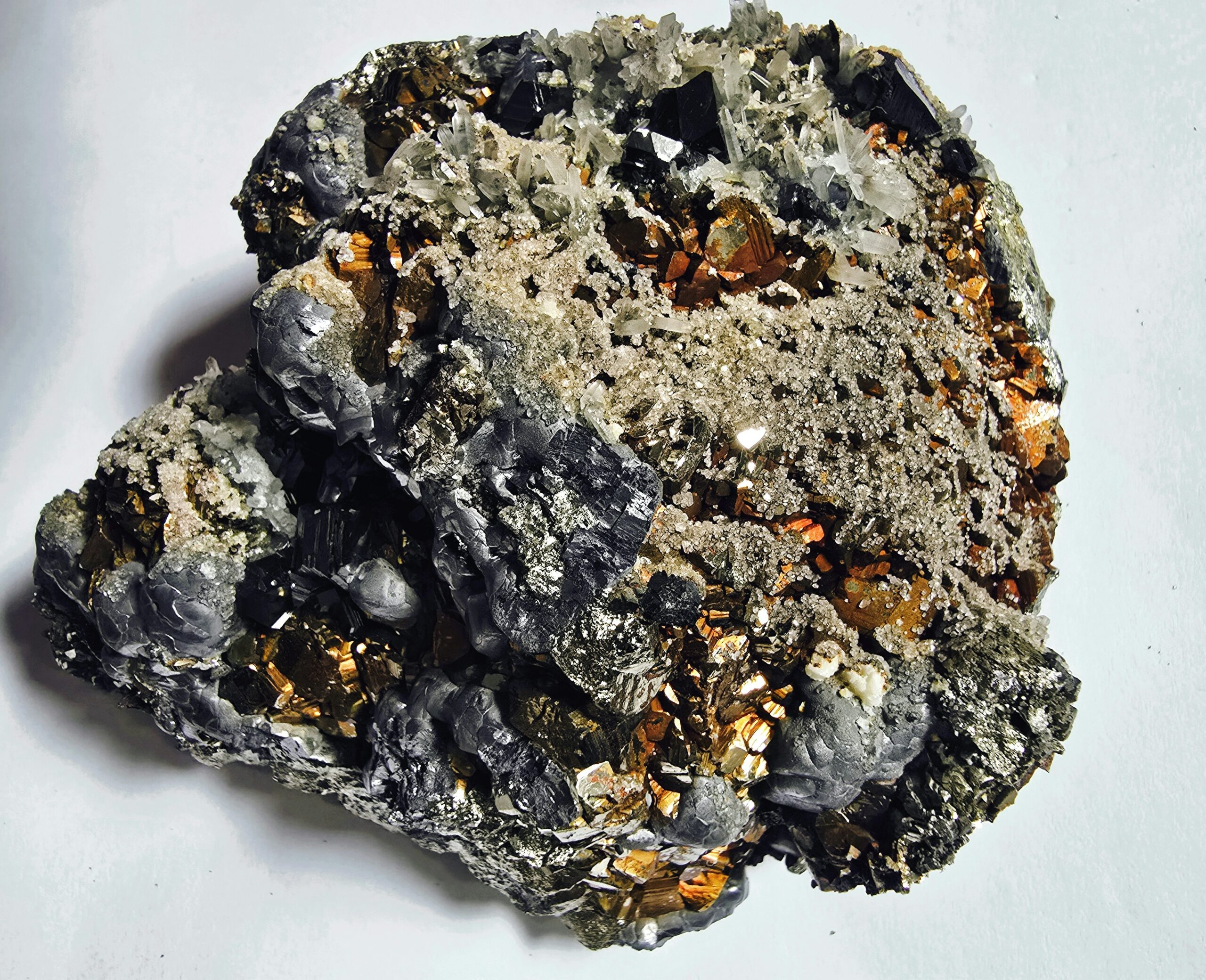
Experts highlight that while mining the raw materials has diversified over the past decade, the bottleneck remains the intricate and often environmentally taxing separation and purification stage. This involves taking mixed ore concentrates and isolating each element to the high purity levels demanded by technology manufacturers.
According to industry analysts, establishing these new processing facilities is costly and time-consuming, requiring highly specialized engineering and advanced hydrometallurgical or pyrometallurgical techniques. For example, a major new Australian-backed facility in the UK recently began scaling operations focusing on neodymium and praseodymium, two key elements essential for powerful permanent magnets. Similarly, the United States has accelerated funding for domestic refineries aimed at creating a complete “mine-to-magnet” ecosystem to reduce reliance on overseas processing.
Environmental and Economic Challenges
The rush to localized processing is tempered by strict environmental standards in Western nations. Traditional rare earth processing can generate significant hazardous waste, including acidic wastewater and radioactive byproducts. New facilities must adopt cutting-edge, less polluting methods, adding complexity and cost to operations.
“The future of rare earth processing isn’t just about output; it’s about sustainable output,” stated Dr. Alistair Finch, a mineral economics expert at the Royal Institute of International Affairs. “Any facility developed today must satisfy stringent regulatory frameworks while still being economically competitive. This often means exploring novel solvent extraction technologies or utilizing inert materials to minimize waste streams.”
The economic viability of these new ventures hinges on guaranteed long-term stable demand. While the push for electrification provides a strong baseline, the global rare earth market is prone to price volatility based entirely on short-term supply adjustments. Governments are attempting to mitigate this risk through strategic stockpiling and long-term procurement contracts with the emerging processors.
Implications for Green Technology
The successful establishment of these diverse, geographically spread processing hubs holds profound implications for the global shift towards renewable energy. Without a reliable and robust supply of refined rare earths, ambitious targets for EV manufacturing and wind power expansion could be severely constrained.
Key Takeaways for Global Industry:
- Diversification is Mandatory: Manufacturers sourcing permanent magnets must develop redundant supply lines for refined rare earth oxides.
- Investment in Innovation: The sector requires continuous research into cleaner, more efficient separation techniques.
- Strategic Partnerships: Collaboration between mining companies, refiners, and end-users (like automotive manufacturers) is crucial to stabilize investment.
The coming five years will be critical in determining whether these new processing endeavours can effectively challenge the established rare earth ecosystem. Success would not only enhance economic security but also hasten the pace of the global transition to sustainable energy technologies. Furthermore, establishing robust recycling channels for rare earth magnets at the end-of-life cycle is the next necessary step to creating a truly circular, resilient supply chain.