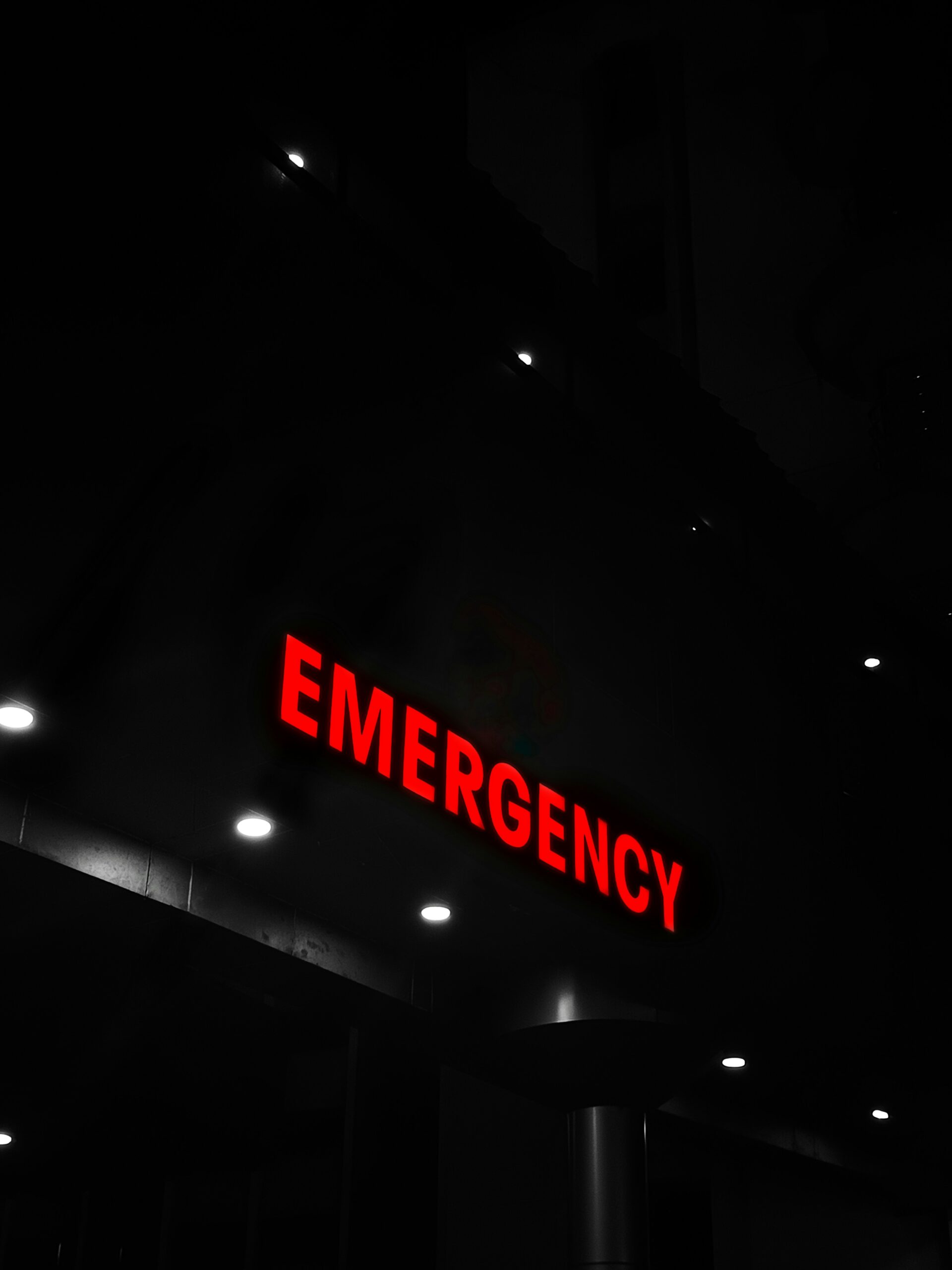
A massive, coordinated ransomware attack has crippled major healthcare providers globally this week, severely disrupting critical patient services and exposing the fragile security of digital medical infrastructure. The multi-day onslaught, which appears to have originated from a sophisticated, state-linked hacking group, forced hospitals and clinics across North America, Europe, and Asia to revert to analog systems, canceling thousands of non-urgent procedures and diverting emergency cases.
The cyber offensive began late Monday, rapidly infecting systems through exploited vulnerabilities in widely used electronic health record (EHR) software. Security experts say the attackers leveraged a “zero-day” exploit—a bug unknown to the software vendor—demanding exorbitant cryptocurrency ransoms to unlock critical patient data and scheduling platforms. Although specific attack attribution remains difficult, patterns of code and command-and-control infrastructure suggest the involvement of a highly organized entity specializing in critical infrastructure targeting.
Hospitals Revert to Paper Records Amid Chaos
The immediate impact has been dramatic. In London, several large teaching hospitals declared internal critical incidents, postponing chemotherapy sessions and complex surgeries to focus resources on maintaining emergency function. Similarly, hospital networks in the US Northeast reported being unable to access patient histories, lab results, and diagnostic images, leading to significant delays in treatment planning.
“We are currently operating at a severely reduced capacity, relying entirely on paper charts and manual communication,” stated Dr. Eleanor Vance, head of emergency medicine at a besieged facility in Toronto. “The inability to quickly access a patient’s allergy status or recent scans poses a direct, immediate threat to life safety. This is not just a data breach; it is a patient care crisis.”
This attack highlights the growing digital dependency of modern medicine. EHR systems, while efficient, present a centralized, high-value target for cybercriminals. Healthcare data—including financial information and detailed medical histories—sells for far more on the dark web than standard payment card details.
Why Healthcare Remains a Prime Target
Cybersecurity analysts emphasize that the healthcare sector is particularly vulnerable for several reasons:
- Legacy Systems: Many hospitals operate outdated IT infrastructure that is costly and difficult to upgrade.
- High Value Data: The comprehensive nature of patient information makes it highly desirable for identity theft schemes elsewhere.
- Urgency: The immediate necessity of restoring patient care increases the likelihood that institutions will pay a ransom.
Industry watchdogs, including the World Health Organisation (WHO), have repeatedly warned that cyber defenses within medical institutions often lag behind financial or government sectors. A recent study indicated that ransomware attacks against healthcare facilities grew by nearly 50% year-over-year in 2023.
Strengthening Digital Defenses: A Global Imperative
In response to the current crisis, several governments have deployed military-grade cyber protection teams to assist affected healthcare providers. The consensus among security experts is that a proactive, layered defense strategy is the only viable path forward. This includes mandatory staff training on phishing prevention, frequent backups stored offline, and rigorous patching schedules.
The broader implications of this attack extend beyond immediate financial losses. The disruption has eroded public trust in the ability of institutions to safeguard highly personal medical information and ensure continuity of care. As healthcare systems become more interconnected—integrating telemedicine, remote monitoring, and artificial intelligence—the attack surface will only expand.
Moving forward, international cooperation will be essential to track and prosecute the perpetrators of these attacks. Policymakers are urging the establishment of global standards and dedicated funding to elevate cyber resilience within the critical global public health sector before the next, potentially more damaging, incident occurs.