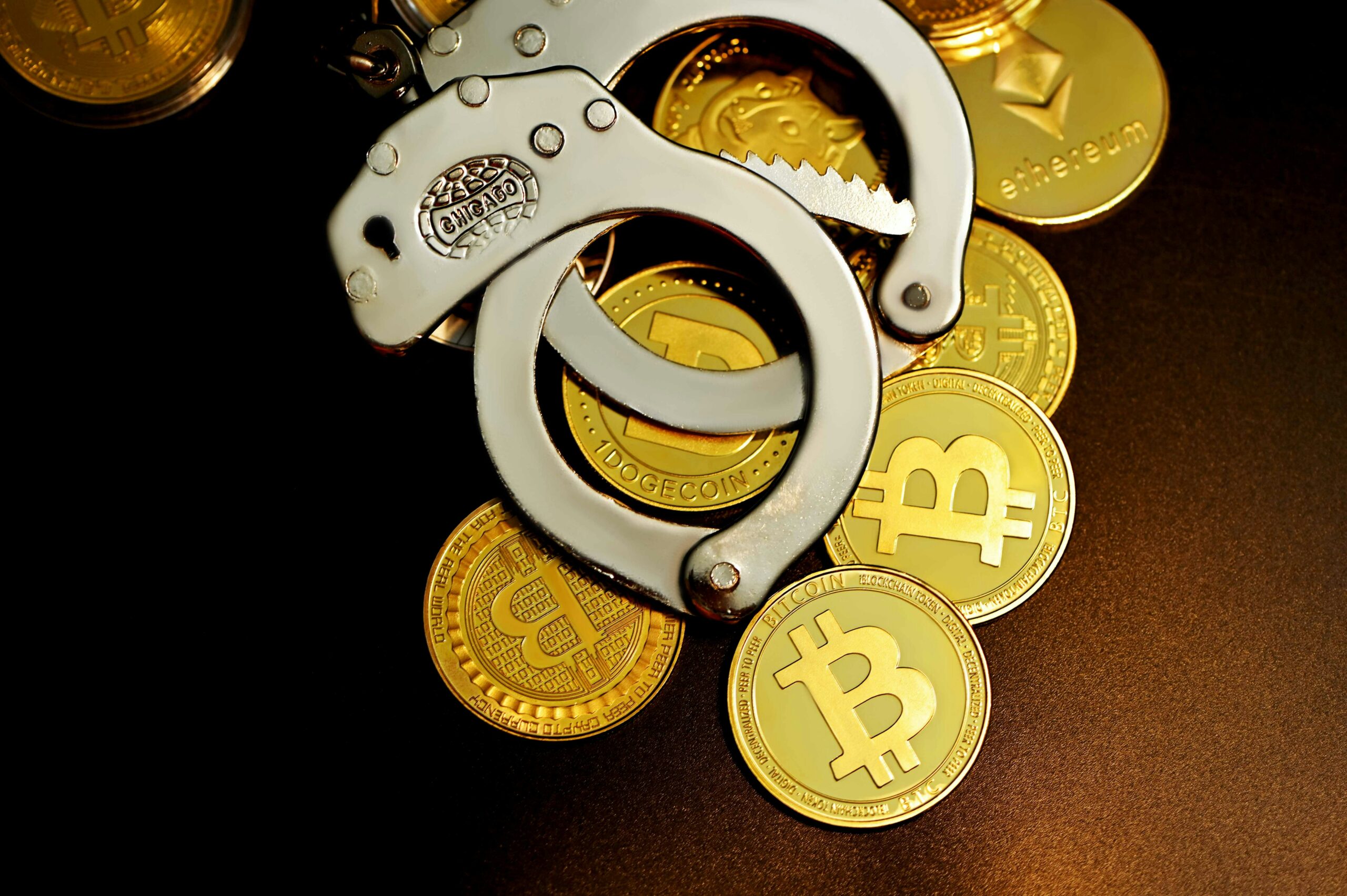
International efforts are urgently focusing on bolstering global cyber defences and money laundering countermeasures following a significant rise in sophisticated, cross-border financial crime targeting institutions and individuals worldwide. Recent collaborative analysis by major financial regulatory bodies and international policing agencies confirms that the increasing digitization of financial services, while beneficial, has simultaneously created fertile ground for highly organized criminal networks operating across jurisdictional boundaries. The concerted response involves standardizing anti-money laundering (AML) protocols, enhancing information sharing, and implementing advanced technological safeguards to disrupt opaque transactions and recover illicit funds, highlighting a critical phase in the ongoing battle for financial system integrity.
The Evolving Threat Landscape
The contemporary financial crime environment is marked by unprecedented speed and complexity. Criminal enterprises are quickly exploiting regulatory seams and leveraging cutting-edge technology, including artificial intelligence (AI) and decentralized finance (DeFi), to clean illicit earnings from drug trafficking, corruption, and fraud. A key finding from recent G7 and Financial Action Task Force (FATF) reports suggests a pivot away from traditional banking conduits toward less regulated, high-volume payment systems and virtual assets.
The sheer volume of digital transactions poses an immense challenge for oversight. Forensic financial specialists note that criminals are utilizing shell companies and complex layering techniques across multiple jurisdictions to obscure the origins of money, making successful tracing and seizure increasingly difficult. This level of organization requires a proportional response from governments and the financial sector.
Strengthening Global Defences
To counteract these threats, authorities are intensifying calls for greater global convergence in financial oversight. The core strategy being pursued is twofold: standardization and technological implementation.
First, regulatory consistency is paramount. Different national rules regarding customer verification or beneficial ownership disclosure create exploitable weaknesses. The FATF, the global anti-money laundering and counter-terrorist financing watchdog, continues to push member nations to fully implement its robust recommendations, particularly those related to the “travel rule” for cryptocurrency transactions, which mandates sharing originator and beneficiary information.
Second, the adoption of advanced technology is no longer optional. Financial institutions are investing heavily in AI and machine learning tools capable of instantaneously analyzing massive datasets to detect anomalous transaction patterns that indicate potential fraud or money laundering. These tools allow banks to move beyond reactive reporting to proactive threat prediction.
Actionable Steps for Financial Stability
The implications of weak financial defences extend beyond specific institutions, threatening macro-economic stability and public trust. A consistent and unified global front offers the best protection against systemic shockwaves caused by massive breaches or unchecked illicit flows.
For businesses and individuals, maintaining vigilance remains crucial. Financial experts advise clear, protective measures:
- Robust Customer Due Diligence (CDD): Businesses must rigorously verify the identity and transaction purpose of their clients, especially those operating across borders.
- Continuous Employee Training: Staff must be regularly updated on the latest fraud schemes, particularly those involving social engineering and deepfake technology.
- Secure Digital Infrastructure: Regular auditing and upgrading of cybersecurity protocols are essential to repel advanced phishing and ransomware attacks.
The push for international cooperation underscores a fundamental principle: financial security is a collective good. As digital borders fade, the necessity for shared intelligence, unified regulatory frameworks, and rapid response mechanisms grows, ensuring that the financial highways of the future remain safe and legitimate. Further legislative action is anticipated in the coming year to close nascent loopholes in the rapidly evolving virtual asset sector.