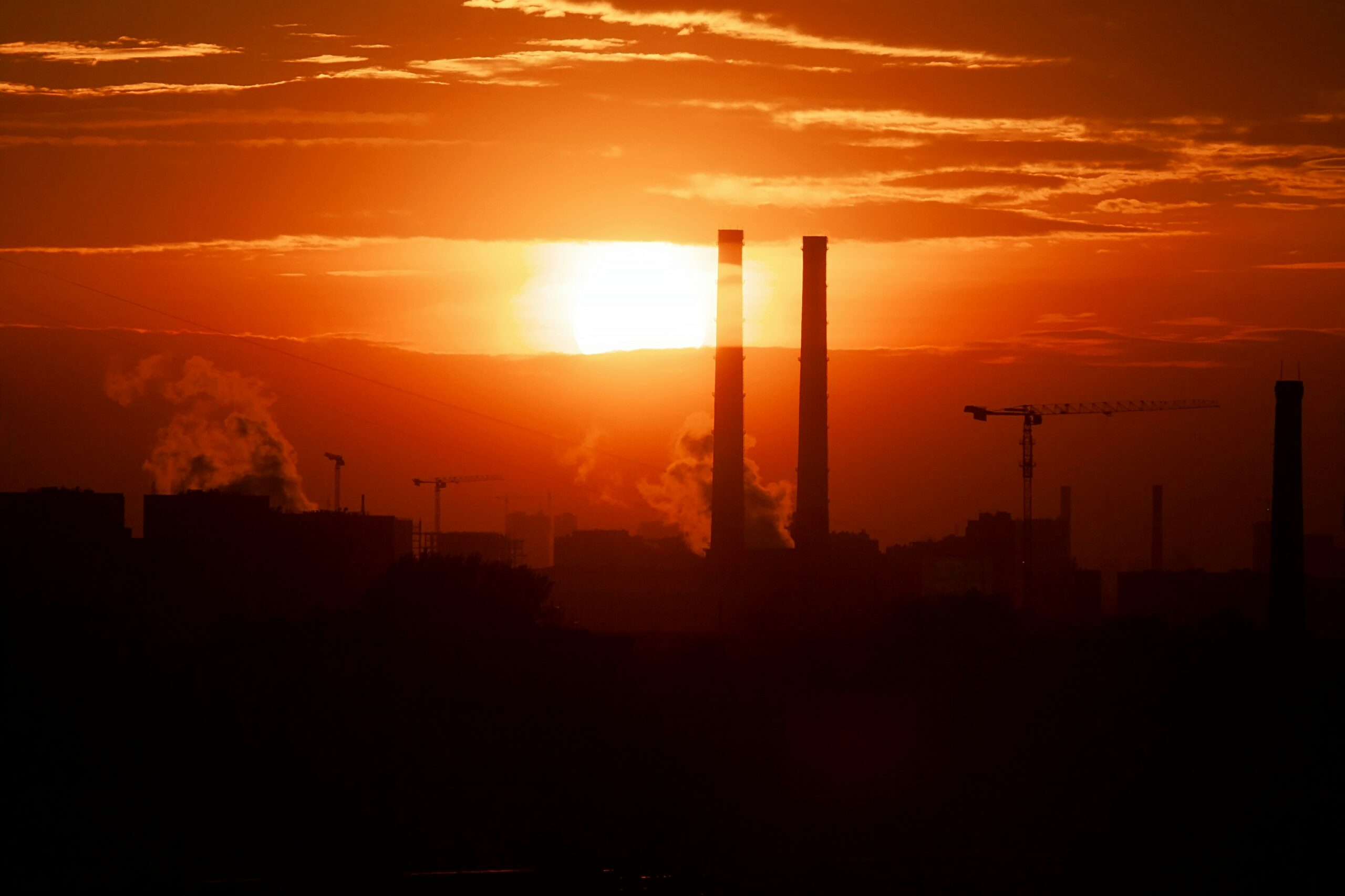
Despite significant decreases in carbon dioxide emissions across major economies last year, experts caution that these reductions stem largely from external economic pressures rather than fundamental shifts in energy policy, raising concerns about the sustainability of climate progress. Preliminary data indicates that 2023 saw notable declines in industrial output and energy demand, particularly in regions grappling with high inflation and slowed growth, temporarily suppressing the release of greenhouse gases. However, analysts warn against complacency, stressing that the underlying reliance on fossil fuels remains largely intact, meaning emissions could easily rebound once economic activity accelerates.
Temporary Factors Drive Emission Drop
The reduction in 2023 carbon output appears to be disproportionately influenced by macro-economic headwinds. High interest rates implemented globally to combat persistent inflation have cooled manufacturing and construction sectors simultaneously, two of the heaviest industrial emitters. Furthermore, a mild winter in some northern hemisphere regions reduced the need for residential heating, offering a temporary reprieve in natural gas consumption.
While some regions, particularly the European Union, have successfully implemented long-term decarbonisation strategies that contributed to the downward trajectory, the overall global picture suggests these structural changes are not yet dominant. The International Energy Agency (IEA) has previously highlighted that while investments in renewable energy, like solar and wind power, continue to break records, they are not yet displacing fossil fuel demand fast enough to meet critical climate targets.
The Resilience of Fossil Fuels
The essential challenge remains the deep structural entrenchment of fossil fuels across primary industries and transportation. Even as renewable energy sources become cheaper and more widely deployed, major economies continue to rely on coal, oil, and gas to power essential infrastructure.
If the world economy enters a period of synchronized high growth in the coming years, there is a strong probability of a rapid emissions rebound. This ‘snapback’ effect would undo the temporary gains made during the recent economic downturn. Climate policy experts argue that relying on economic contraction to meet environmental goals is both unsustainable and undesirable.
“What we are observing is an accidental reduction, not a deliberate, systemic change,” stated Dr. Lena Müller, an energy economist at the Helsinki Institute for Climate Solutions. “For reductions to be stable, they must be driven by policy—taxation, regulation, and massive capital investment in low-carbon infrastructure. The current dip is akin to holding your breath; you will eventually have to take a deep breath again.”
Looking Ahead: Structural and Policy Solutions
To achieve durable climate progress, governments and corporations need to prioritize structural solutions that decouple economic growth from carbon emissions. Key areas for mandated action include:
- Accelerating Grid Modernisation: Ensuring electricity grids can handle and distribute high volumes of intermittent renewable energy efficiently.
- Decarbonising Heavy Industry: Implementing carbon capture technologies and exploring alternative low-carbon fuels (like green hydrogen) for steel, cement, and chemical production.
- Phasing Out Subsidies: Eliminating governmental subsidies that artificially lower the cost of fossil fuels globally.
- Mandating Efficiency Standards: Implementing stricter building codes and vehicle efficiency standards to reduce overall energy demand.
The temporary emission decline in 2023 offers a fragile opportunity for reflection, demonstrating that lower emission levels are attainable, but only through robust, consistent global policy efforts. Without these binding structural reforms, the temporary economic dip will serve merely as a statistical footnote in the longer, urgent battle against climate change. The true measure of climate success will be sustained emission reductions during periods of strong global economic health.