The world witnessed a troubling surge in energy-related global carbon dioxide (CO2) emissions in 2023, setting an unwelcome new record, driven primarily by persistent fossil fuel consumption and aggravated by severe drought conditions impacting hydroelectric power generation, according to a comprehensive analysis released by the International Energy Agency (IEA). Despite substantial growth in renewable energy sources, the increase highlights the persistent challenge in rapidly decarbonizing the global energy system, underscoring the necessity of more aggressive policy interventions and investment in clean technologies.
Fossil Fuels Remain Dominant
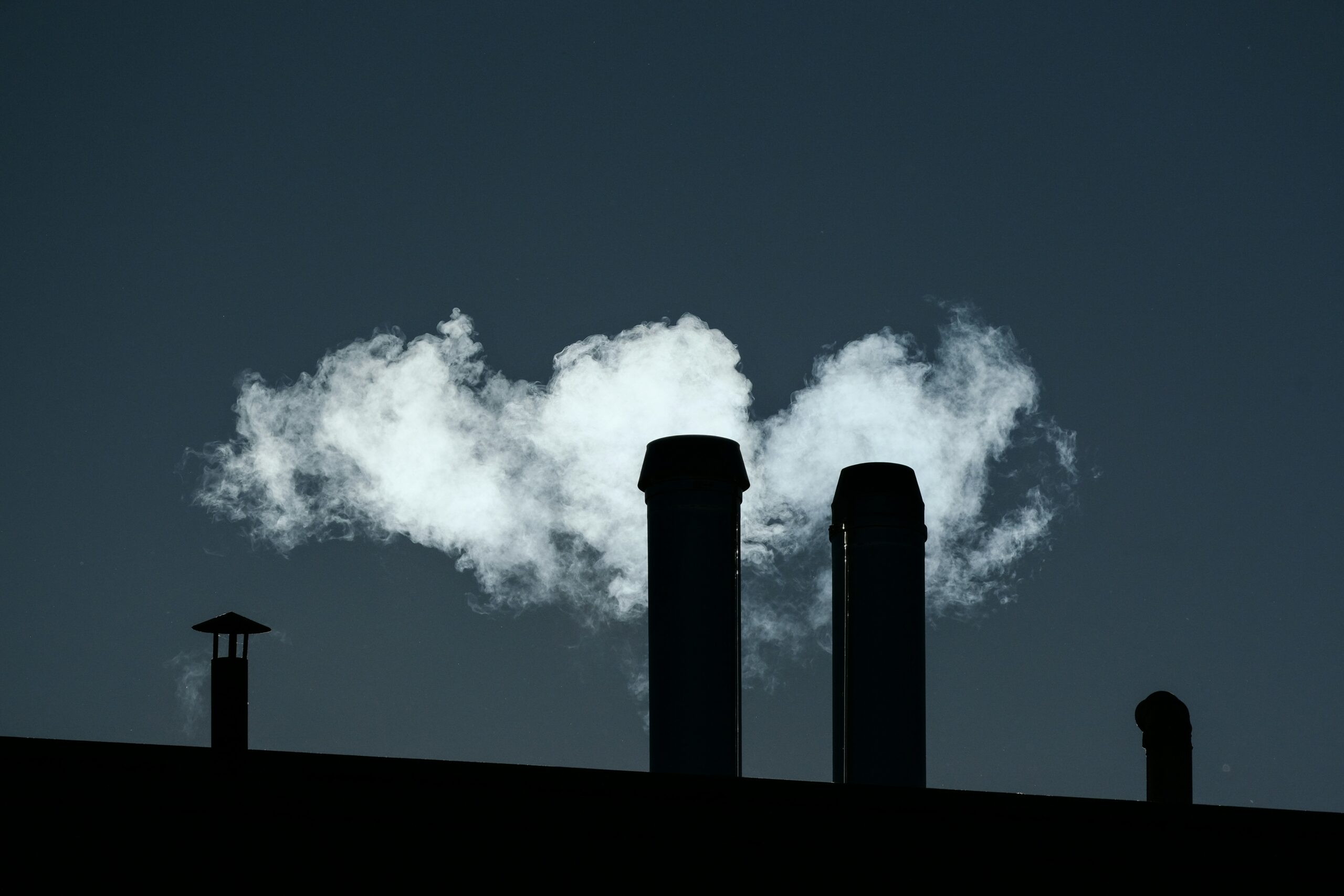
Emissions climbed by an estimated 410 million tonnes (Mt) in 2023, an increase of 1.1% over the preceding year, pushing the total global output to an unprecedented 37.4 billion tonnes (Gt). While this growth rate was slightly slower than the post-pandemic rebound seen in 2022, it demonstrates that CO2 output is not yet on a definitive downward trajectory. The primary culprit remains the burning of hard coal, which accounted for more than two-thirds of the emissions increase. Robust demand in emerging Asian economies, particularly within the electricity sector and heavy industry, fueled this reliance on the most carbon-intensive fossil fuel.
The analysis highlighted that without the rapid deployment of cleaner technologies, the emission figure would have been substantially higher. Significant additions of wind and solar capacity, coupled with the continued expansion of electric vehicle fleets, prevented an additional 550 Mt of CO2 from entering the atmosphere. This mitigating effect confirms that while renewables are scaling quickly, the sheer pace of global energy demand growth is outpacing current decarbonization efforts.
Environmental Factors Aggravate Crisis
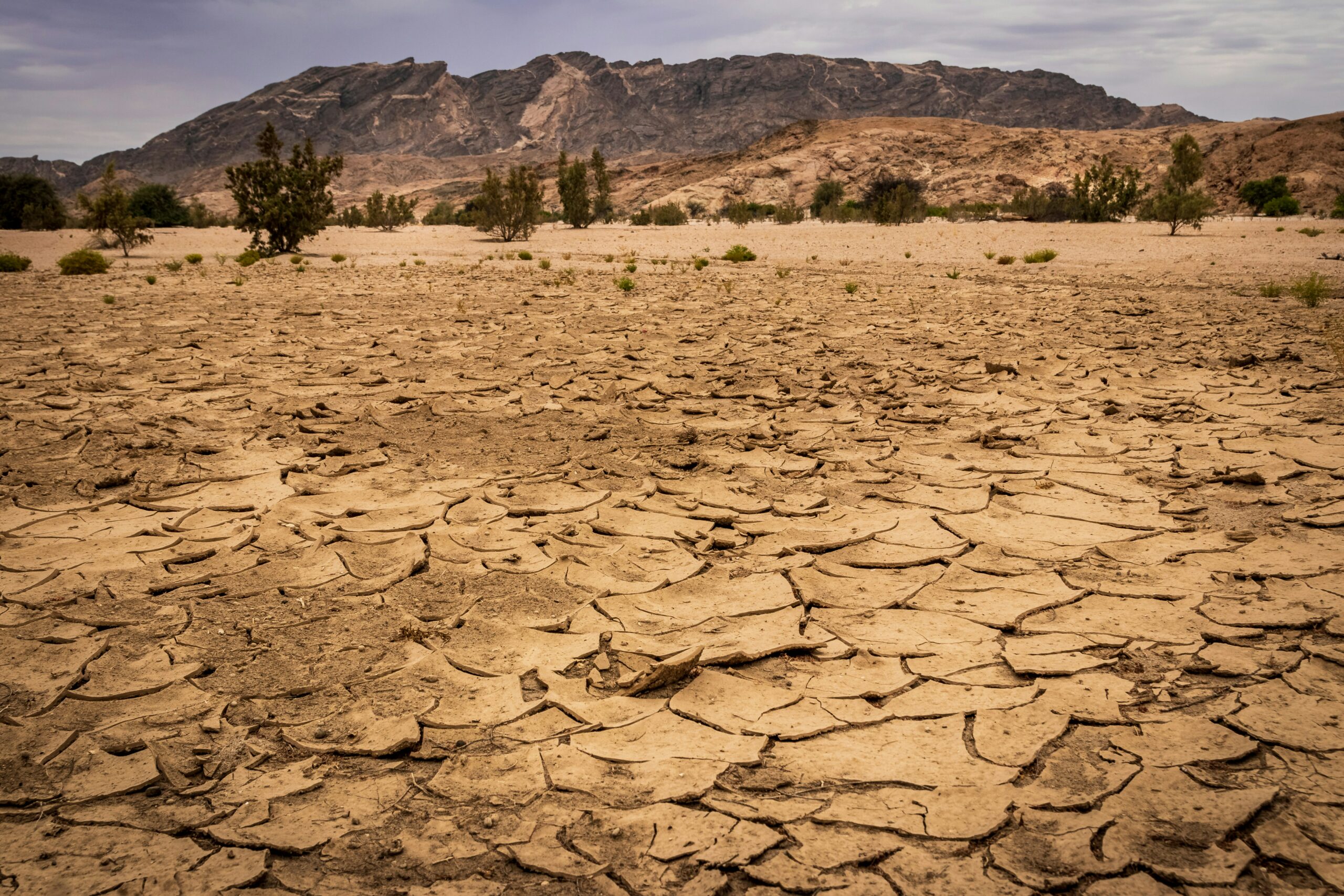
A significant element contributing to the rise was adverse weather patterns, most notably prolonged droughts across vital energy-producing regions spanning the United States, China, and India. These droughts severely curtailed hydroelectric power output, forcing utilities to activate or ramp up generation from natural gas and coal plants to satisfy demand and avoid blackouts. This reliance on carbon-emitting backup sources effectively negated some of the emissions reduction gains achieved elsewhere.
“The latest data confirms that the momentum of the energy transition is strong, but the structural challenge of phasing out fossil fuels is immense,” stated Dr. Hannah Byrne, a climate policy expert and contributing analyst to the report. “We are seeing a tug-of-war: renewables pull emissions down, while persistent fossil fuel infrastructure and climate volatility effectively nullify those gains. This calls for a dramatic, simultaneous push on two fronts: accelerate clean energy deployment and aggressively retire carbon-intensive assets.”
Pathways Forward: A Dual Strategy
The IEA stressed that current national climate commitments are insufficient to meet the goals outlined in the Paris Agreement. To put emissions on a meaningful downward curve, global efforts must focus on rapidly expanding sustainable energy solutions, while also addressing the systemic causes of increased fossil fuel consumption.
Key Actionable Steps Include:
- Triple Renewable Capacity: Achieving the global goal of tripling renewable energy capacity by 2030, combined with significant grid modernization investment.
- Energy Efficiency Mandates: Implementing robust efficiency standards in industry, transport, and buildings to curb overall energy demand growth.
- Methane Reduction Focus: Employing targeted policy interventions to reduce methane emissions, particularly from oil and gas operations, given its high short-term warming potential.
The report serves as a stark reminder that while the world is making progress in scaling clean energy, the overarching climate battle centering on fossil fuel reliance remains far from won. The record emissions signal an increasing divergence between current trajectories and what is required to limit global warming to 1.5°C, necessitating urgent policy shifts ahead of the next major international climate summit.