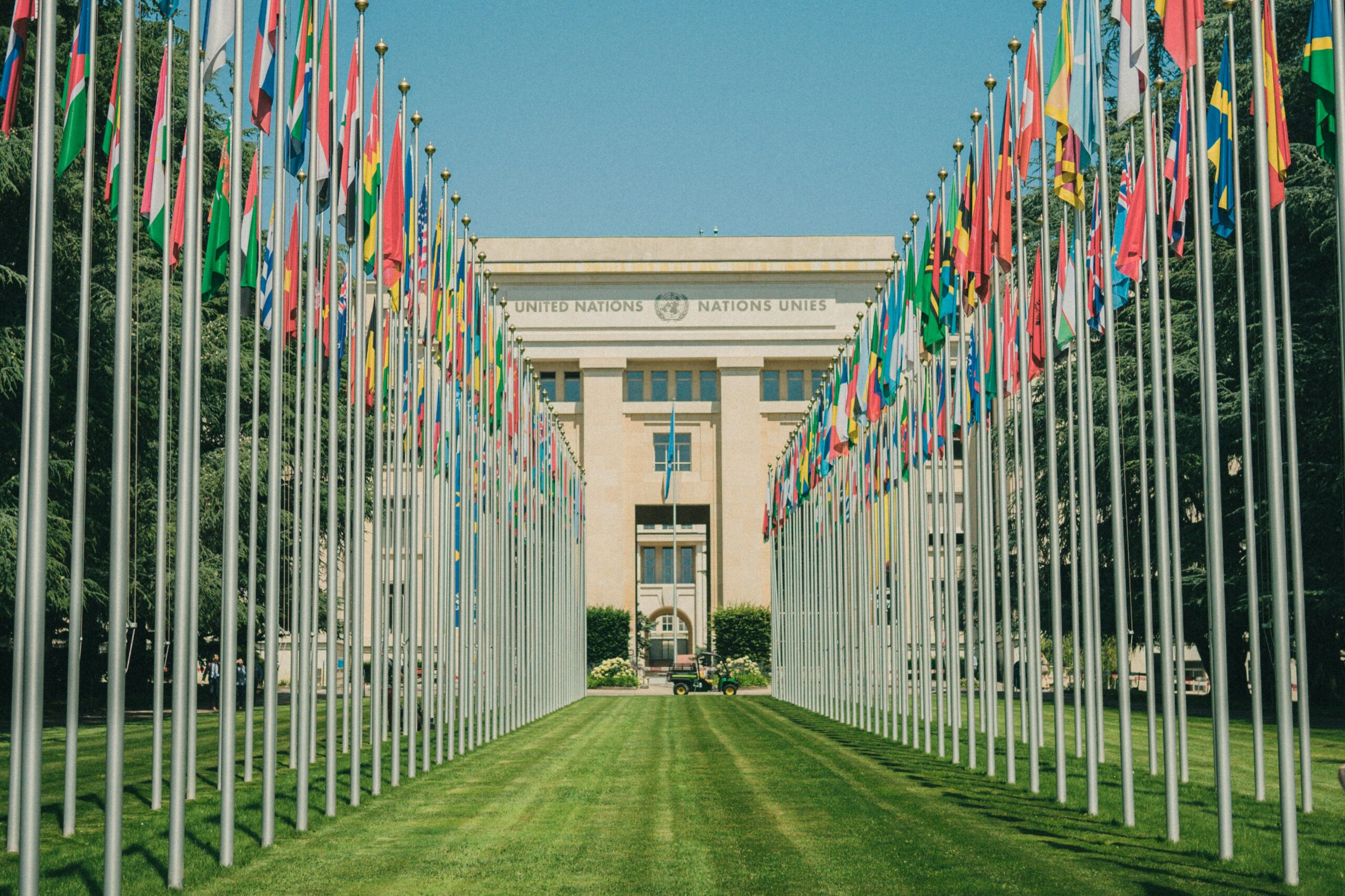
International donors committed substantial financial support today toward humanitarian crises and development initiatives, demonstrating continued solidarity even as global economic uncertainty challenges national budgets. The pledges, made during a high-level summit in Geneva, aim to bridge critical funding gaps for regions grappling with conflict, climate disasters, and persistent poverty, emphasizing a collaborative approach to tackling worldwide instability.
Donors Stress Urgency Against Overlapping Crises
The two-day conference, hosted by the United Nations, concluded with participating nations and organizations dedicating billions toward major appeals for the coming year. Officials underscored the dire necessity of this funding, pointing to the simultaneous escalation of several large-scale emergencies, including the war in Ukraine, mass displacements in the Sahel, and ongoing famines exacerbated by intensifying climate change.
Despite increased domestic pressures, particularly record inflation and sluggish post-pandemic growth in many wealthy countries, government representatives argued that scaling back international assistance was not an option. Experts highlighted that the cascading effects of humanitarian failures—including unchecked health crises, mass migration, and destabilized supply chains—ultimately pose a greater, long-term economic threat to all nations.
“The needs are unprecedented, and while fiscal constraints are real, our moral and strategic obligations remain paramount,” stated UN Under-Secretary-General for Humanitarian Affairs Martin Griffiths. “These commitments represent more than currency; they are lifelines for millions facing catastrophe.”
Innovation and Efficiency Prioritized in Funding Strategy
While the total amount pledged fell short of the UN’s initial, record-high funding request, attendees focused on making the committed money more effective. A significant portion of the new funding is earmarked for multi-year programs, moving away from annual emergency cycles toward sustainable resilience building.
Key shifts in aid delivery discussed at the summit included:
- Cash Transfers: Increasing direct cash assistance to affected populations, allowing recipients decision-making power over their immediate needs and stimulating local economies.
- Preventative Measures: Investing more heavily in early warning systems and disaster preparedness, particularly in vulnerable small island states and drought-prone regions.
- Local Partnerships: Channeling more resources through local and national non-governmental organizations to ensure aid reaches the last mile efficiently and respectfully.
Several nations also announced innovative financing mechanisms, such as leveraging private sector investment through development impact bonds and green bonds, seeking to diversify the overall funding base beyond traditional government contributions.
The Path Forward: Sustaining Momentum
The outcome of the Geneva meeting sends a strong signal that despite competing priorities, global solidarity remains intact. However, analysts caution that the pledges must translate quickly into disbursements. Historical trends show a lag between donor promises and actual delivery, a delay that can cost lives in fast-moving humanitarian situations.
The commitments secured aim to support essential services for populations where infrastructure has collapsed—including vaccinations, safe drinking water, and education for displaced children. As the global community moves forward, the focus will shift to monitoring the timely deployment of these funds and encouraging other nations and philanthropic organizations to join the ongoing effort to meet the growing global humanitarian mandate.
Readers interested in tracking the real-time allocation of these aid funds and understanding specific country appeals can consult the official tracking portals managed by the UN Office for the Coordination of Humanitarian Affairs (OCHA). Accountability and transparency will be the yardsticks used to measure the true success of this summit.