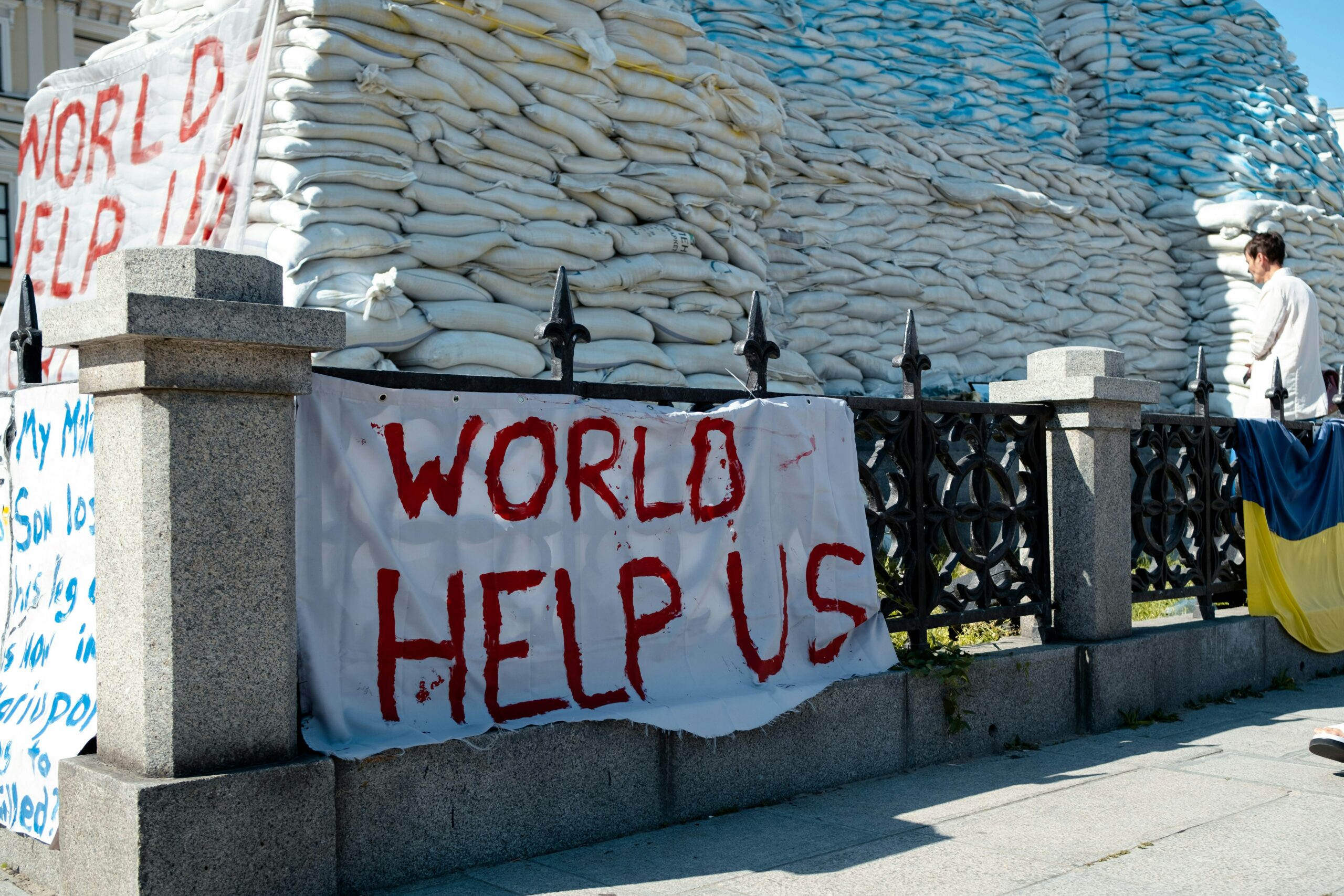
International development agencies are grappling with a complex and challenging funding landscape as escalating global conflicts divert attention and resources away from long-term aid commitments. The simultaneous rise in new humanitarian crises across regions like the Middle East, Sub-Saharan Africa, and parts of Europe, coupled with persistent economic instability in key donor nations, is straining budgets previously allocated for poverty reduction, climate resilience, and public health initiatives. Experts warn that this shift threatens to undo decades of progress, leaving vulnerable populations reliant on diminishing support.
The primary driver of this financial strain is the unprecedented demand for rapid humanitarian assistance. Major conflicts—often high-profile and politically immediate—necessitate large, sudden injections of cash for essential services such as refugee support, emergency food distribution, and medical care. This immediate need inevitably crowds out stable, long-term development funding directed toward infrastructure, education, and sustainable economic growth. According to recent analyses by the OECD Development Assistance Committee, while total official development assistance (ODA) figures remain high, the proportion allocated to emergency relief has increased significantly over the past five years, often at the expense of multi-year foundational projects.
Shifting Priorities and Budgetary Tensions
Aid organizations face difficult choices as they navigate limited budgets and competing global needs. Dr. Anya Sharma, Director of the Global Policy Institute, noted that donor fatigue is exacerbated by inflationary pressures within their own economies. “Donor countries are experiencing domestic fiscal challenges, making it harder to justify steady or increased contributions to long-term development projects when immediate crises dominate the political discourse,” Dr. Sharma explained in a recent panel discussion. “The money is still flowing, but it is increasingly segmented toward immediate, high-visibility relief rather than complex, enduring issues like systemic poverty.”
The disruption is particularly acute in regions dependent on consistent, predictable funding. For example, initiatives aimed at climate adaptation in low-income agricultural economies often rely on commitments spanning a decade. When annual funding cycles become unpredictable or are significantly cut, these critical projects face delays or premature termination, undermining long-term stability and resilience against future shocks.
Impact on Long-Term Goals
The repercussions of this funding shift extend far beyond immediate project delays. The United Nations Sustainable Development Goals (SDGs), originally targeted for achievement by 2030, are now considered significantly off-track by many development specialists. Funding instability affects several key areas:
- Public Health: Reduced investment in routine vaccination programs and disease surveillance, increasing the risk of future outbreaks.
- Education: Delays in school construction and teacher training, negatively impacting access to quality learning for millions of children.
- Climate Resilience: Stalled projects aimed at building sustainable infrastructure and renewable energy systems, making communities more susceptible to environmental disaster.
Finding Alternative Funding Models
To mitigate the current risks, aid organizations are urgently seeking diversified and innovative funding mechanisms. This includes stronger emphasis on mobilizing private sector investment, establishing results-based financing initiatives, and exploring blended finance models that combine public and private capital.
Furthermore, there is a growing call for donor governments to adopt a “crisis-resilient” approach to their budgets, ensuring that a core tranche of long-term development funding remains ring-fenced, regardless of concurrent humanitarian emergencies. This structural change aims to safeguard foundational development efforts while still responding effectively to urgent global needs. The challenge remains for the international community to balance immediate exigency with the quiet, persistent work required to build a truly sustainable future.