Unprecedented summer heat waves are gripping Europe, transforming popular vacation spots into health hazards and disrupting the continent’s vital tourism industry just as peak season begins. From the Mediterranean coast to northern cities, governments and emergency services are grappling with record-breaking temperatures, prompting urgent warnings for travelers and significant strain on infrastructure.
Europe Battles Escalating Heat Crisis
The current extreme weather follows a pattern of increasingly severe summers across Europe, linked by climate scientists to global temperature rise. This year’s heat domes are already producing temperatures well into the 40s Celsius (above 104 degrees Fahrenheit) in southern Europe—regions historically accustomed to warm summers but now facing prolonged periods of intense heat that challenge human tolerance and local resilience. While many associate the scorching conditions with Greece, Italy, and Spain, increasingly the impact is being felt much further north, evidenced by unusual spikes in Germany, France, and the UK.
The consequences are immediate and far-reaching. Hospitals report upticks in heat-related illnesses, including severe dehydration and heatstroke, placing immense pressure on healthcare systems still recovering from years of crisis. On the travel front, airlines face scheduling delays due to operational restrictions on runways affected by extreme heat, while tourist sites report mandatory closings or shortened hours midday to protect staff and visitors.
Sustaining Travel Amid Record Temperatures
For millions of tourists determined to proceed with their European holidays, experts emphasize the need for drastic operational changes. Traditional sightseeing methods and peak-hour activities are no longer viable options under the current meteorological reality.
“The time for aggressive midday sightseeing is over,” explains Dr. Lena Karlsson, a climate and public health expert advising several European governments. “Travelers must completely shift their itineraries to prioritize early mornings, evenings, and seeking out indoor, air-conditioned environments during the riskiest hours of 11 a.m. to 4 p.m.”
Authorities are actively discouraging strenuous outdoor activities, particularly hiking, cycling, and marathon running, due to the rapid onset of environmental dangers. The risk is compounded by the urban heat island effect in major tourist destinations like Rome, Paris, and Athens, where concrete and asphalt absorb and re-radiate heat, keeping nighttime temperatures dangerously high and preventing adequate recovery.
Proactive Measures for Travelers and Residents
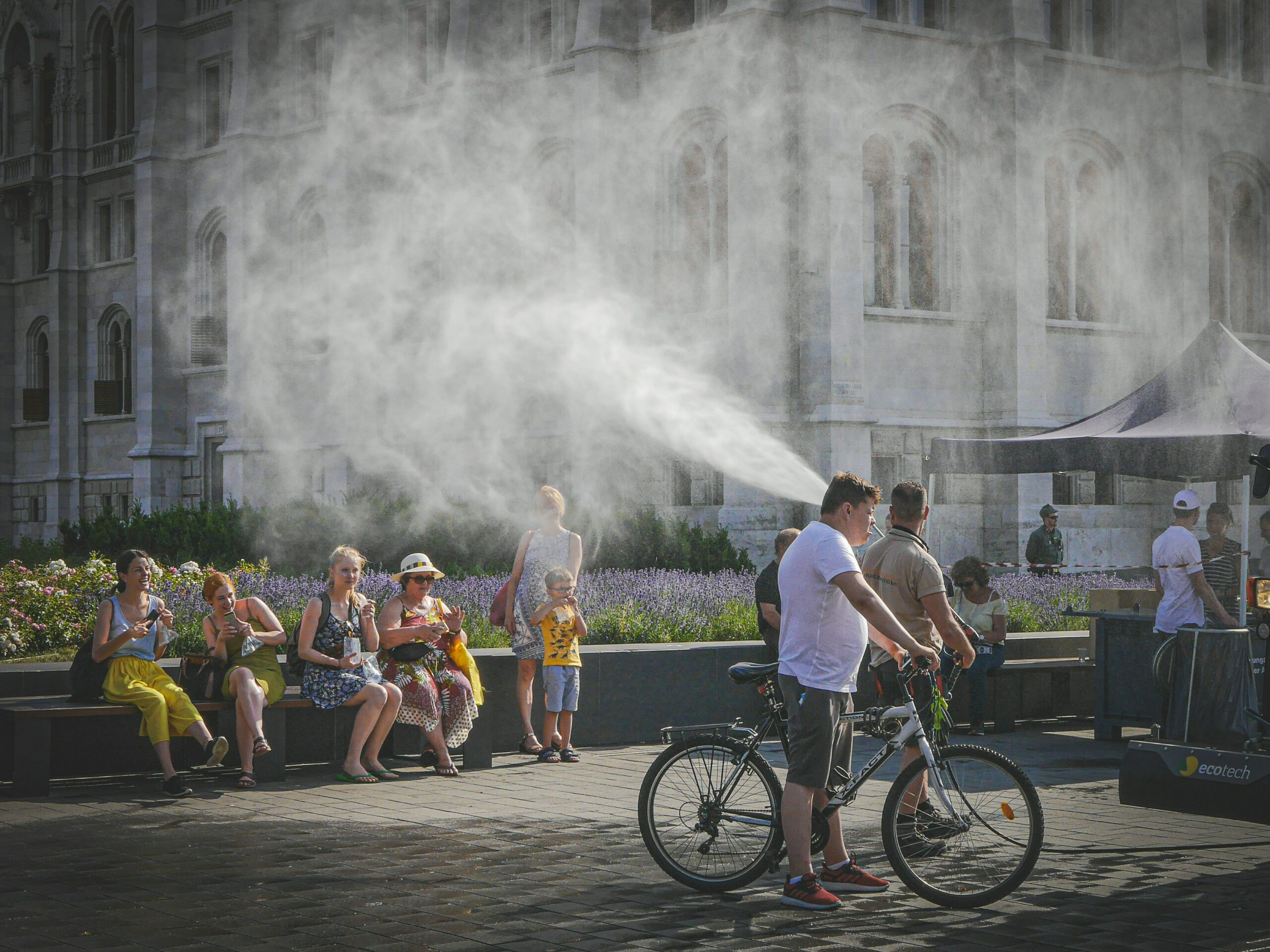
To mitigate the escalating risks, governments are deploying strategies ranging from widespread public service announcements to establishing “cooling centres” in major cities. For individuals navigating the heat, simple, verifiable health steps are critical:
- Hydration is paramount: Drink water consistently, even if you do not feel thirsty. Avoid excessive alcohol and sugary drinks which can worsen dehydration.
- Modify schedules: Plan outdoor activities for before 10 a.m. or after 6 p.m. Utilize museums, galleries, and shaded dining areas during the hottest segments of the day.
- Recognize warning signs: Be vigilant for symptoms of heat exhaustion, including heavy sweating, paleness, muscle cramps, and faintness. Seek medical attention immediately if heatstroke—marked by a cessation of sweating and confusion—is suspected.
- Utilize shade and light clothing: Wear loose, light-coloured clothing and wide-brimmed hats. Sunscreen is essential, but shade provides the most effective protection from overheating.
The recurring severe heat waves underscore a greater need for long-term adaptation. Urban planners are now emphasizing the mass planting of trees and the use of reflective materials in construction to create cooler public spaces. As climate impacts intensify, Europe’s tourism model—a cornerstone of its economy—must inevitably adapt, shifting operational timelines and integrating climate resilience into the very fabric of its appeal. The immediate concern, however, remains protecting public health during this sustained period of extreme meteorological stress.