The iconic Panama Canal, a vital artery for global commerce, has dramatically curtailed daily transits due to historically low water levels in the critical waterways that feed the lock system. This unprecedented operational change, triggered by a persistent and severe drought exacerbated by the El Niño phenomenon, forces shipping companies into costly delays or rerouting, raising concerns about supply chain stability worldwide.
Severest Restrictions Limit Daily Ship Crossings
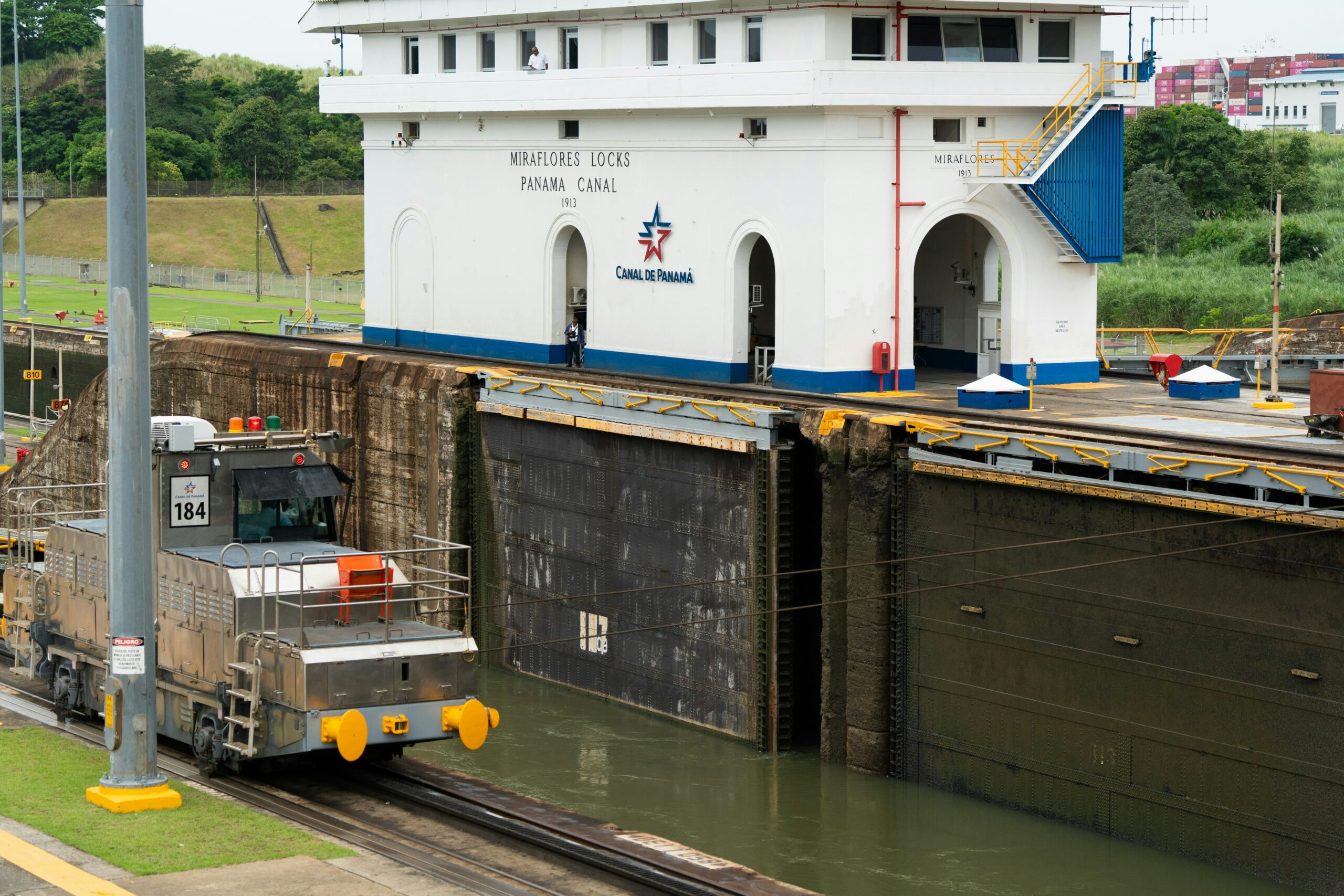
Effective immediately, the Panama Canal Authority (ACP) announced a severe reduction in the number of ships permitted to traverse the 51-mile route connecting the Atlantic and Pacific oceans. The typical peak capacity of 36 daily ship passages has been slashed to a mere 24, and forecasters suggest this number may drop further to 18 by early next year if dry conditions persist. The restrictions stem directly from the depleted water levels in Gatún Lake, the massive artificial reservoir integral to operating the canal’s locks. Each ship transit requires approximately 50 million gallons of fresh water, which is then lost to the sea.
Historically, Panama relies on heavy, predictable rainfall to replenish Gatún Lake. However, 2023 has been one of the driest years on record for the region, intensifying pressure on the crucial water resource that also supplies drinking water to half of Panama’s population.
While the number of daily passages is restricted, the ACP has also implemented stringent limitations on the draft—the maximum depth of the hull below the waterline—for larger vessels. This means many large container ships must partially unload cargo or transit with lighter loads, adding significant cost and logistical complexity.
Global Trade Faces Costly Delays and Rerouting
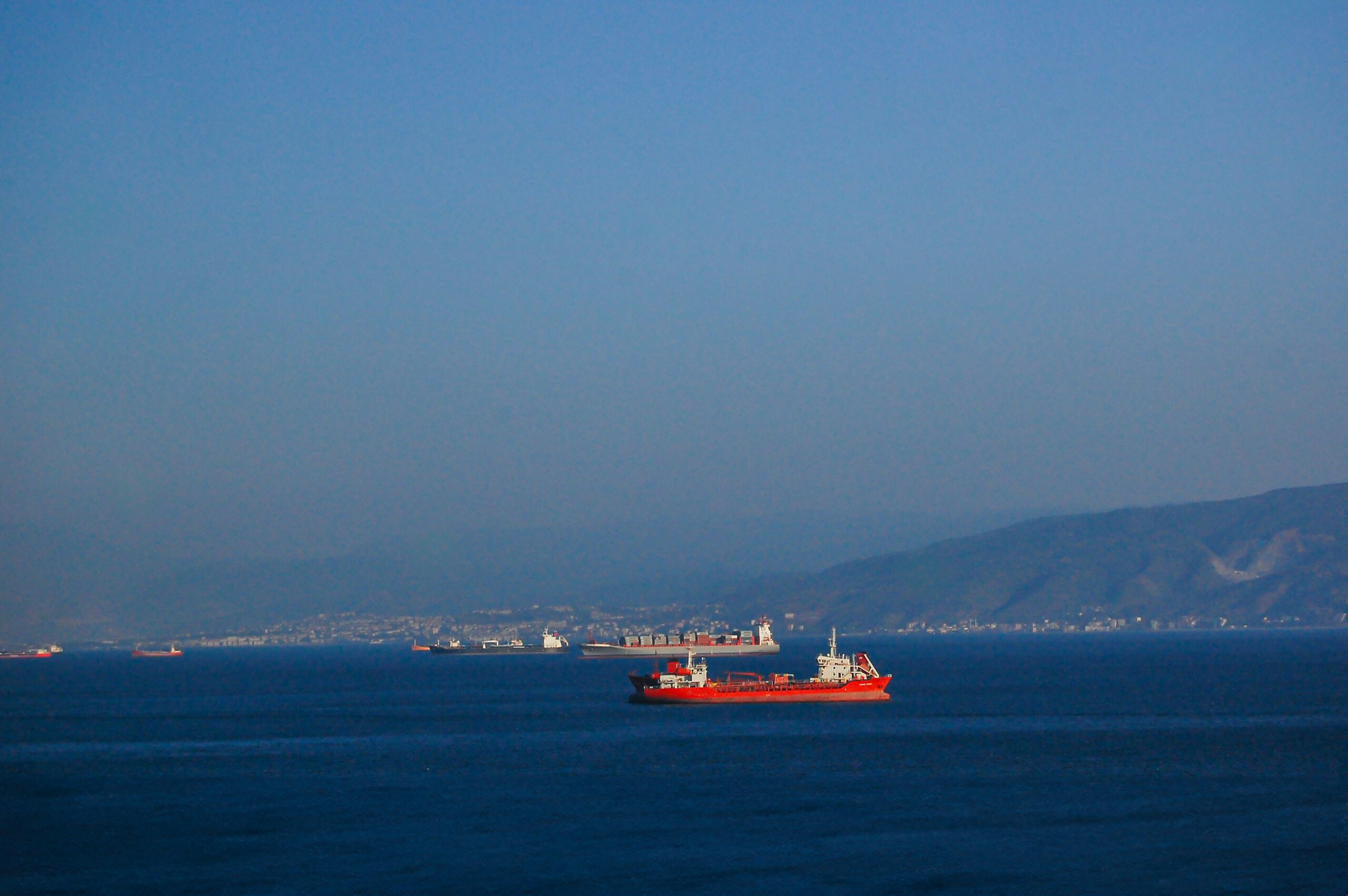
The knock-on effects of the canal’s bottleneck are already being felt across global supply chains. Roughly 6% of the world’s seaborne trade, primarily consisting of goods moving between Asia and the U.S. East Coast, typically flows through the Panama Canal.
Shipping lines are now forced to make difficult and expensive decisions: either bid hundreds of thousands of dollars in special auctions for guaranteed transit slots or endure weeks of queueing outside the canal entrances. Alternatively, operators must consider vastly longer sea journeys, such as diverting around the southern tip of Africa via the Cape of Good Hope, adding weeks of transit time and thousands of miles in fuel costs.
Experts suggest the added friction points could result in higher consumer prices for imported goods, ranging from electronics and automobiles to agricultural products, beginning in the near future. This situation underscores the fragile dependency of the global economy on specific geographical chokepoints.
Adapting to Climate Change Realities
The ACP is actively exploring long-term infrastructure solutions to mitigate future drought risks, including proposals for new reservoirs or systems that recycle more water at the lock chambers. However, such large-scale projects require billions of dollars and years to complete.
The current crisis serves as a stark reminder of the escalating impacts of climate change and extreme weather on critical infrastructure. For global logistics, the need for diversified shipping routes and investment in resilient supply chains has never been clearer.
“This is not merely a regional problem; it is a critical vulnerability for international trade,” noted a senior maritime analyst, emphasizing that shipping companies must adapt quickly to what may become the “new normal” for canal operations during pronounced dry seasons. The ongoing impact monitors not only the immediate transit numbers but also the long-term viability and competitiveness of Panama’s maritime gateway.