A severe and protracted drought is fundamentally reshaping global trade routes, forcing unprecedented restrictions on one of the world’s most vital maritime arteries: the Panama Canal. Record-low water levels in the canal’s primary freshwater source, Gatún Lake, have compelled authorities to drastically cut the number of daily ship transits, signaling potentially significant delays and higher costs for consumers worldwide.
The Panama Canal Authority (ACP) recently announced it would reduce daily vessel pass-throughs from its typical twenty-four to thirty-six transit range down to just eighteen. This move, which began phasing in late last year and solidified into the new standard, effectively halves the canal’s traditional capacity. The decision directly addresses the alarming depletion of the lake, which relies heavily on seasonal precipitation to operate the canal’s massive lock system.
Water Crisis Upends Maritime Logistics
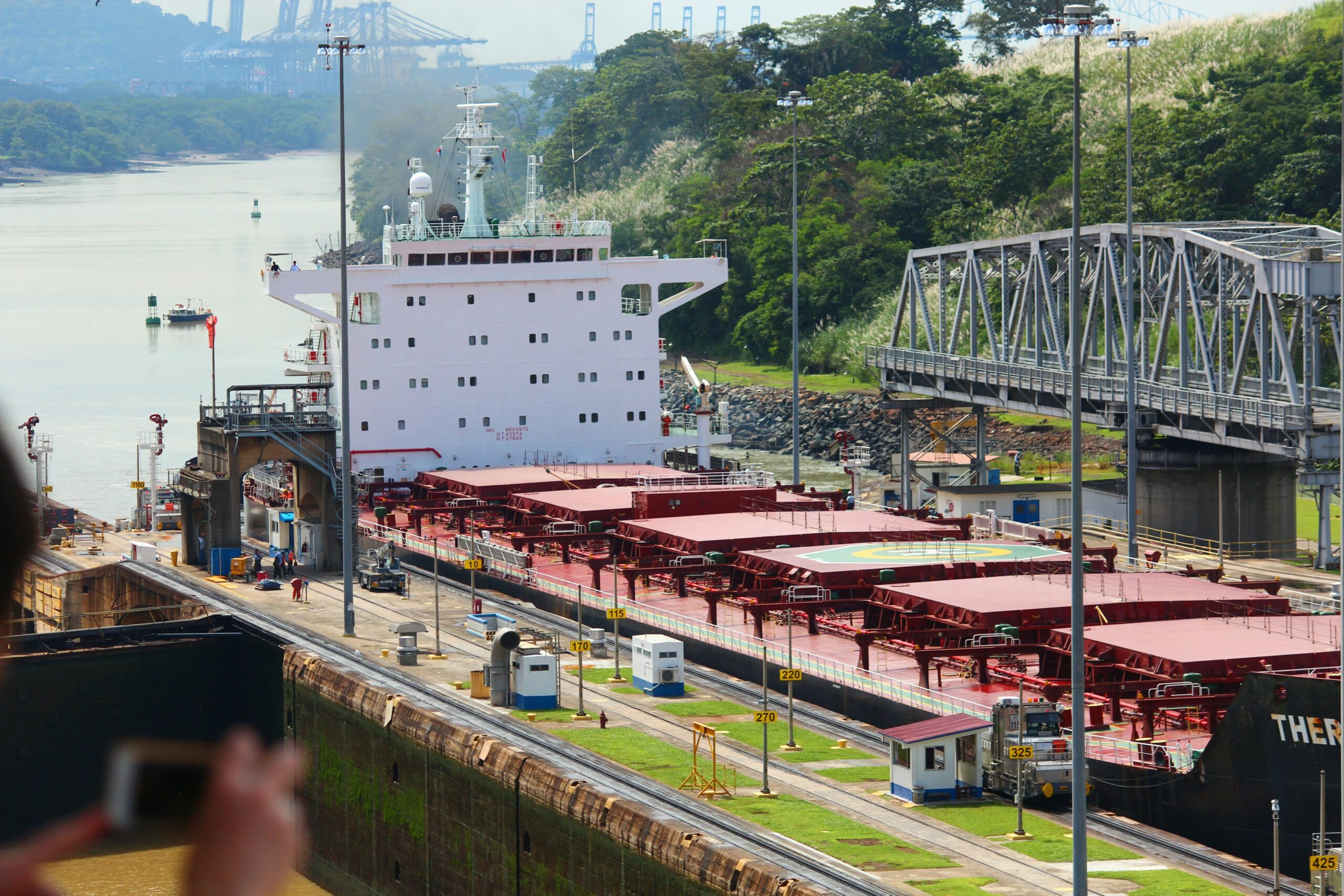
Gatún Lake not only facilitates the passage of ships between the Atlantic and Pacific oceans but also serves as the main source of drinking water for Panama City’s inhabitants. Each time a vessel traverses the locks, nearly fifty million gallons of freshwater are released into the ocean. The lack of sufficient rainfall has strained this delicate balance, forcing the ACP to prioritize water conservation.
In addition to reducing the transit volume, the ACP has also imposed draft restrictions—the maximum depth a ship can legally submerge. Large container ships and bulk carriers must now carry less cargo, offloading weight to ensure they can navigate the shallower lock chambers. This requirement translates to numerous logistical challenges, including the need for “light-loading” and the utilization of alternative, often more expensive, routes.
Shipping industry analysts suggest that these restrictions will significantly impact major global supply chains, particularly those linking Asia to the East Coast of the United States. While the canal handles roughly 5% of all global maritime trade, its importance for specific commodity routes, such as liquefied natural gas (LNG), coal, and grain, is disproportionately high.
Economic Ripples and Alternative Routes
The immediate economic impact is most visible in the pricing of transit slots. With availability severely limited, the optional auction system for securing priority passage has yielded astronomical winning bids. Some auction winners have reportedly paid millions of dollars for a single spot, adding hundreds of thousands of dollars to an individual voyage’s total operating cost. Those costs are ultimately reflected in consumer prices.
As the situation remains critical, many shipping companies are exploring alternative routes. The most common substitutes include rerouting traffic around the Cape of Good Hope, a much longer voyage that adds weeks to transit times and significantly increases fuel consumption and emissions. Another option involves using the Suez Canal in Egypt, though that route is longer and inherently subject to regional geopolitical volatility.
Adapting to a Climate Reality
Experts view the Panama Canal water crisis as a stark example of how climate change is directly disrupting critical infrastructure. While the region has always experienced seasonal dry spells, this recent drought has been categorized as one of the worst in a century.
The ACP is actively investigating long-term solutions, including constructing new reservoirs or introducing advanced water recycling technologies for the locks. However, such ambitious infrastructure projects require years of planning and immense investment.
For the near future, the shipping industry must grapple with uncertainty. The restrictions are expected to remain in place until sustained seasonal rainfall replenishes Gatún Lake, forcing businesses to re-evaluate their reliance on the once-guaranteed efficiency of the interoceanic passage. This crisis serves as a powerful reminder that the flow of global commerce is inextricably tied to the health of the planet’s natural systems.