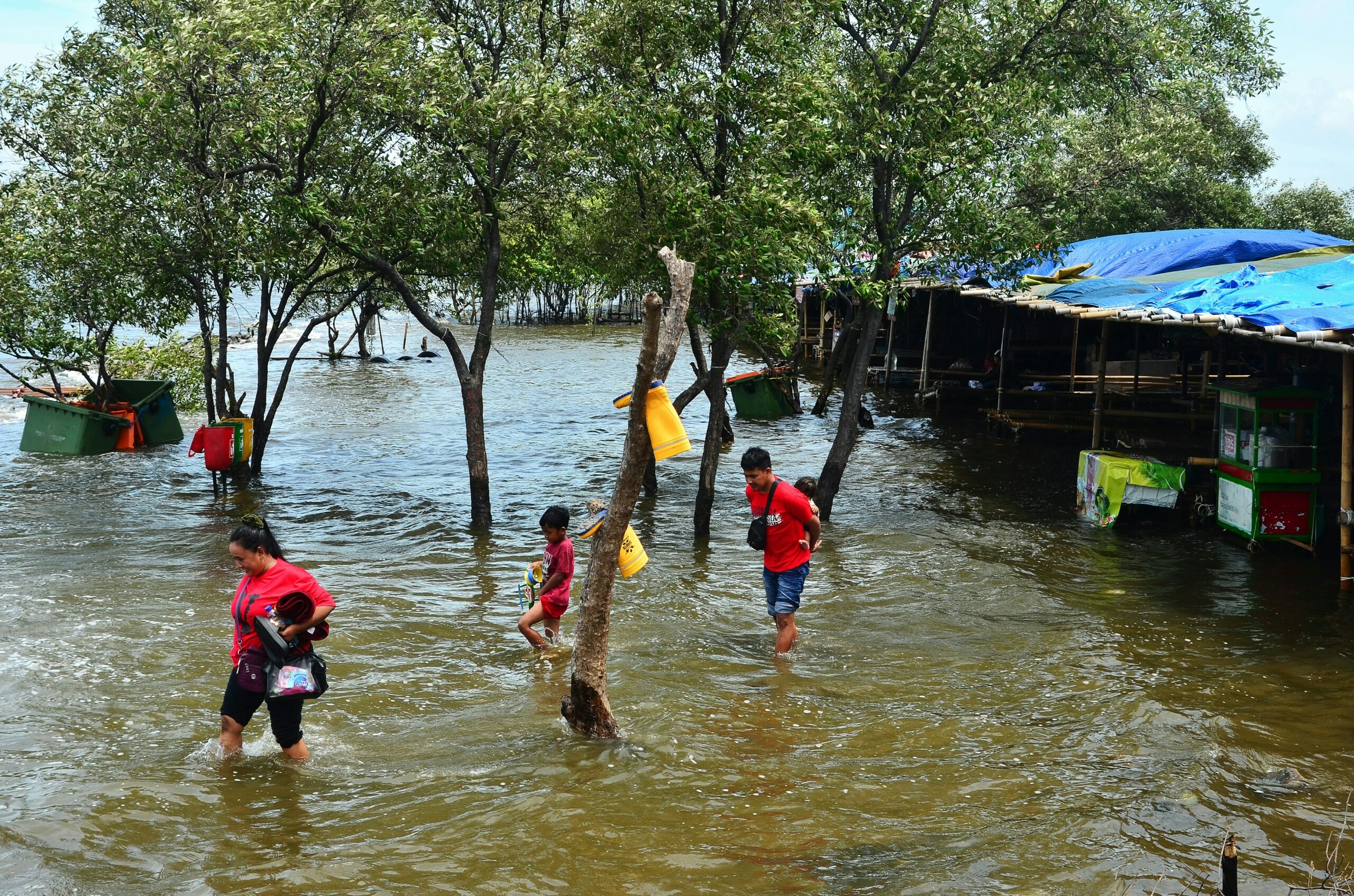
Coastal communities across the globe face increasingly severe flood threats, with a new comprehensive report detailing the accelerated risks posed by rising sea levels and intensifying storm patterns. Released this week by an international consortium of climate scientists and hydrographers, the analysis underscores that without robust, immediate adaptation measures, millions of people and trillions of dollars in assets could be recurrently endangered by mid-century. The findings, synthesizing decades of tidal, satellite, and meteorological data, deliver a stark warning to policymakers regarding the urgent need to overhaul municipal planning and infrastructure investment in vulnerable low-lying regions.
The Uneven Geography of Vulnerability
The report highlights that while the average global sea level is steadily climbing, the physical and societal impacts are geographically asymmetrical. Regions already grappling with land subsidence—where the ground is compacting or sinking due to geological factors or excessive groundwater extraction—face a compounding crisis. Southeast Asia, particularly river deltas in Vietnam and Bangladesh, alongside low-lying island nations in the Pacific, are identified as critical hotspots. In developed nations, major metropolitan areas like Miami, Rotterdam, and Shanghai are experiencing a rapid increase in the frequency of “nuisance flooding”—minor inundations that disrupt commerce and daily life—which is predicted to transition into chronic, damaging events.
Dr. Anya Sharma, lead author of the hydrographic section and a climate resilience expert, emphasized the non-linear nature of the threat. “It is not just a steady creep; it is the interaction between higher baseline sea levels and more extreme weather events that fundamentally shifts the risk profile,” Dr. Sharma stated in a press briefing Tuesday. “A storm that caused minor damage twenty years ago now has the potential to trigger catastrophic flooding simply because the water starts significantly higher.”
The Economic and Human Toll
The economic projections contained within the report are sobering. Conservative estimates suggest that the annual global cost of coastal flooding damage could exceed $1 trillion by 2050 under intermediate warming scenarios. This figure accounts for direct damage to residential and commercial property, critical infrastructure like power grids and transport links, and the indirect costs associated with supply chain disruptions and diminished economic activity.
Beyond financial implications, the displacement and potential health crises present a significant human element. The movement of populations inland, often termed climate migration, will place severe strain on resources and housing markets in receiving communities. Key public health concerns include the contamination of freshwater sources by saltwater intrusion and the proliferation of waterborne diseases following extensive floods.
Prioritizing Resilience and Adaptation
The article stresses that a twin-track approach—combining aggressive emissions reduction with substantial, immediate adaptation—is essential. The report outlines several critical actionable takeaways for coastal authorities:
- Elevate and Reinforce Infrastructure: Prioritizing investments in raising roads, fortifying water treatment facilities, and undergrounding vulnerable electrical systems.
- Embrace Nature-Based Solutions: Utilizing and restoring natural coastal defenses such as mangrove forests, coral reefs, and salt marshes, which often provide more cost-effective and sustainable protection than engineered barriers.
- Revise Land-Use Policies: Implementing strict zoning regulations to prevent new development in high-risk zones and developing managed retreat strategies for areas deemed indefensible.
- Enhance Early Warning Systems: Investing in sophisticated hydrographic modeling and public communication channels to ensure timely evacuation orders and reduce loss of life.
The consensus among the scientific community is clear: while the current momentum of sea level rise cannot be halted instantly, proactive planning today will determine whether future coastal inundations are manageable hazards or devastating catastrophes. The next crucial phase involves translating these scientific warnings into fundable, politically supported urban and regional policies.