Global warming is posing an existential threat to seagrass meadows worldwide, jeopardizing crucial ecosystems that support marine life and buffer coastal communities, according to recent international ecological studies. These critical underwater habitats, often overlooked, are facing accelerating decay due to rising sea temperatures and ocean acidification, demanding immediate and coordinated conservation efforts.
Seagrasses: A Vital Global Marine Asset
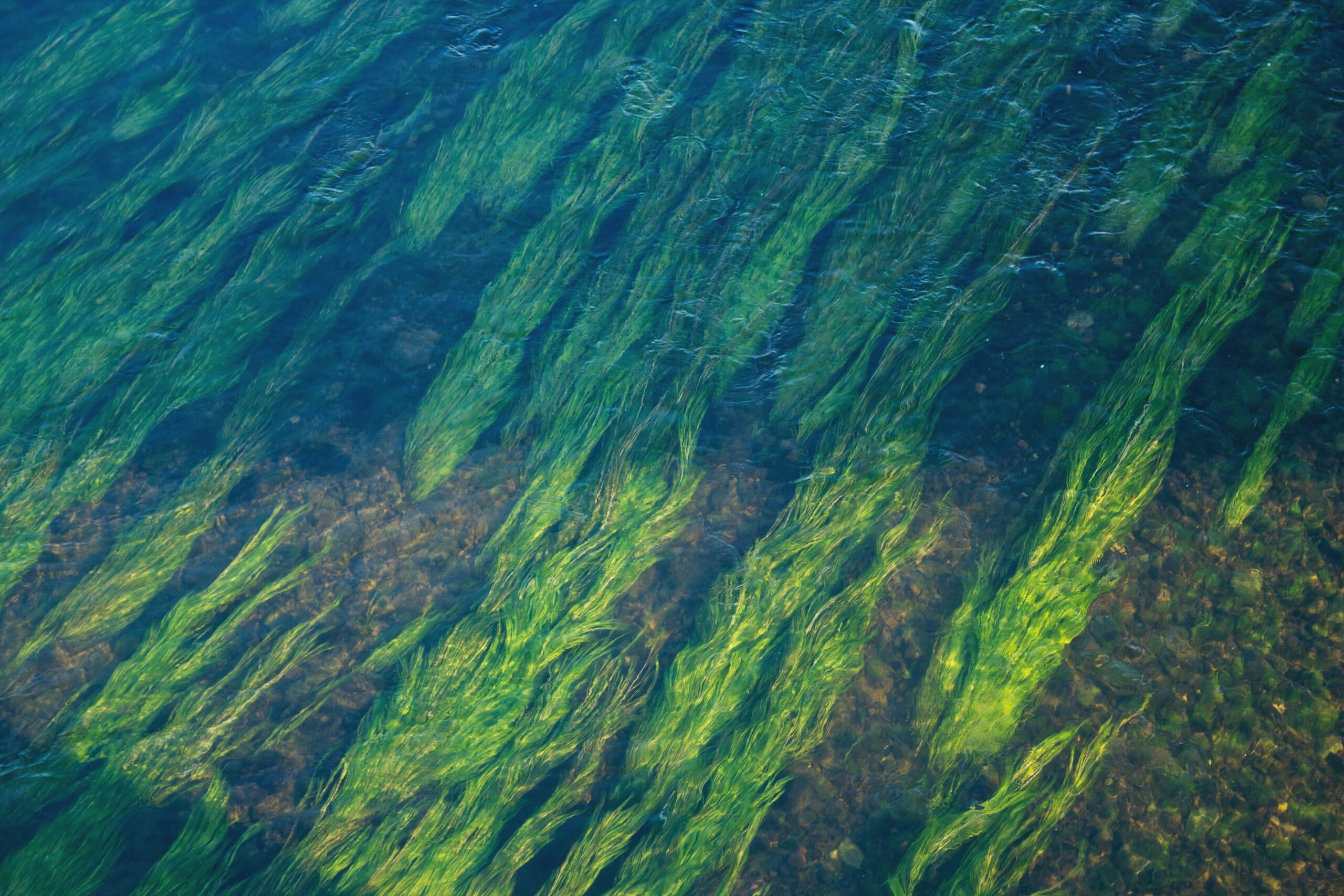
Seagrasses, flowering plants that thrive in coastal and shallow marine waters, play an indispensable role in global marine ecology and carbon sequestration. Functioning as nurseries for countless fish and shellfish species, these meadows underpin global fisheries, providing essential shelter for juvenile marine life. Furthermore, they are highly effective “blue carbon” sinks, capable of storing carbon dioxide in their roots and sediments at rates significantly higher than terrestrial forests, making them vital tools in mitigating climate change.
However, these crucial ecosystems are increasingly stressed. Rising sea temperatures act as a direct physiological stressor, exceeding the thermal tolerance limits of many seagrass species. Simultaneously, climate change-induced changes in ocean chemistry, particularly ocean acidification (the decrease in seawater pH caused by the absorption of excess atmospheric CO2), further compound the problem by impacting nutrient availability and growth rates.
Dr. Anya Sharma, a marine botanist at the Global Ocean Institute, notes the urgency of the situation. “We are seeing widespread ‘browning’ and die-offs in historically resilient meadows, from the Mediterranean to the tropics,” she stated in a recent symposium. “Losing these meadows isn’t just an ecological tragedy; it’s an economic one. Coastal economies rely heavily on the fisheries and coastal protection these grasses provide.”
Economic and Environmental Repercussions
The decline of seagrass meadows triggers a cascade of negative effects. Without the dense root systems to stabilize seabed sediments, coastal areas become more vulnerable to erosion, exacerbating the impact of rising sea levels and storm surges. This loss of natural protection directly compromises human infrastructure, including ports and coastal towns.
For coastal fishing communities, the loss of these essential breeding grounds translates quickly into dwindling fish stocks. A 2023 report estimated that the global economic value derived from seagrass-supported fisheries exceeds \$2.5 billion annually, a revenue stream now highly endangered.
Key Threats to Seagrass Meadows:
- Thermal stress: Prolonged exposure to elevated water temperatures.
- Storm damage: Climate change increases the frequency and intensity of storms, physically uprooting meadows.
- Warming-induced diseases: Higher temperatures facilitate the spread of opportunistic pathogens, devastating grass beds.
- Coastal development: Runoff and pollution from unchecked development smother meadows, blocking vital sunlight.
Implementing Protective Measures
While the broad solution requires aggressive global action to reduce greenhouse gas emissions, local and regional preservation efforts offer immediate relief. Successful intervention strategies focus on reducing human-made stressors that compound climate impacts.
Conservation organizations and governments are emphasizing strategies such as:
- Pollution Reduction: Strict regulation of agricultural and industrial runoff, minimizing nutrient overloading that leads to harmful algal blooms.
- Sustainable Dredging: Implementing environmentally sensitive practices for port maintenance and coastal construction to avoid deep scarring of the seabed.
- Restoration Projects: Utilizing citizen science initiatives and specialized marine nurseries to replant stress-tolerant seagrass species in degraded areas.
The long-term health of our oceans and the stability of coastal communities are inextricably linked to the fate of seagrass. Protecting these vibrant blue carbon ecosystems is crucial not only for marine biodiversity but as a cost-effective, natural defense against the increasingly volatile realities of climate change. The future requires recognizing seagrass as a critical infrastructure that mandates global collaboration and decisive policy action.