The intricate tapestry of life on Earth is rapidly being rewoven, driven by escalating global temperatures. New research indicates that life forms—from microscopic bacteria to vast swathes of forest—are migrating and adapting at an accelerated pace, profoundly altering the biogeography of the planet. This phenomenon, characterized by significant shifts in the distribution and timing of biological events, signals a fundamental reorganization of global ecosystems with far-reaching implications for human societies.
Global Migration Reshapes Ecosystems
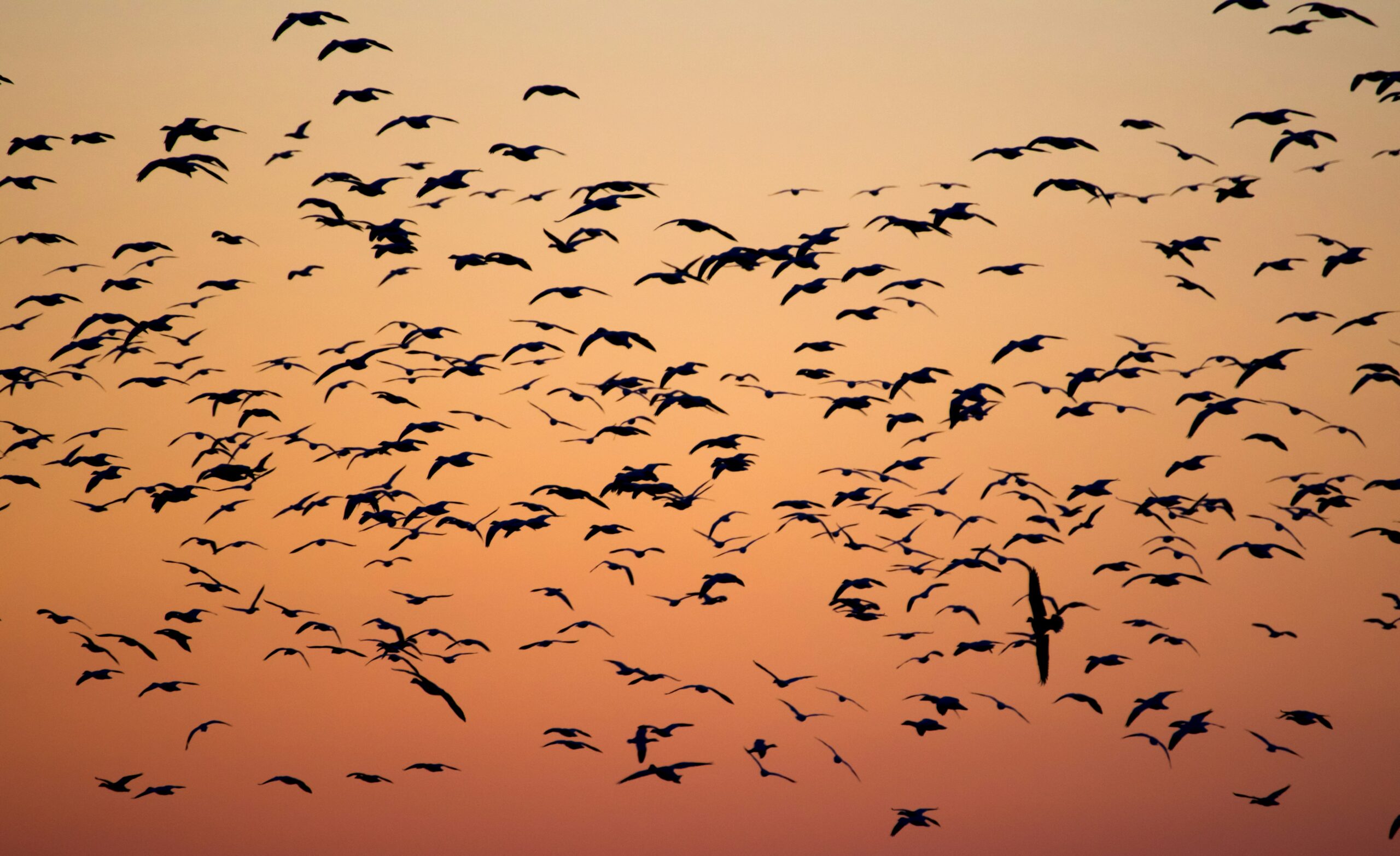
Scientists observing these global shifts report a fundamental rearrangement of species distribution. As ambient temperatures rise, many terrestrial and marine species are moving towards higher latitudes and deeper ocean waters, effectively chasing cooler environments. This movement is not uniform; some species are migrating faster than previously modeled, while others are struggling to keep pace with the swift changes in their immediate habitats.
The most visible change is the poleward migration of various populations. For instance, temperate forests are encroaching upon boreal territories, outcompeting native cold-weather species. Similarly, tropical fish species are increasingly found in previously cooler, temperate oceanic zones. This influx of newcomers often creates novel ecosystems, sometimes benefiting biodiversity initially, but often resulting in fierce competition that threatens established native organisms already stressed by environmental change.
The ocean, which absorbs a significant percentage of excess atmospheric heat, is seeing some of the most dramatic transformations. Marine biologists are tracking the displacement of commercially important fish stocks, a challenge that directly impacts global fisheries management and local economies dependent on coastal resources. The rapid warming of surface waters is pushing these valuable populations out of their customary fishing grounds, introducing significant economic uncertainty for coastal communities.
Timing is Everything: Phenological Shifts
Beyond spatial relocation, climate change is critically altering the timing of essential biological events—a phenomenon known as phenology. Experts have documented earlier springs across many temperate regions, leading to earlier flowering times for plants and earlier breeding cycles for animals.
“The clock that governs nature’s annual rhythm is speeding up,” states Dr. Anya Sharma, a lead researcher in global ecological modeling. “This desynchronization between interacting species is one of the most insidious effects of rapid warming. If an insect hatches too early, and the flower it relies on to pollinate blooms too late, the entire reproductive cycle breaks down.”
Such mismatches, or trophic asynchronies, pose substantial risks to food web stability. For human societies, agricultural production often relies on precise local climatic conditions and the synchronization of crop development with pollinator activity. Disruptions to these delicate relationships can severely undermine food security.
Implications and Adaptation Strategies
The accelerating rate of biogeographical change necessitates immediate and strategic responses. Policy makers and conservationists must move beyond traditional fixed protected areas and embrace dynamic conservation strategies. This includes creating corridor systems that facilitate species movement and developing climate-smart agricultural techniques resilient to unpredictable seasonal shifts.
Crucially, addressing this planetary reorganization requires aggressive efforts to mitigate greenhouse gas emissions, the root cause of the rapid warming. While adaptation efforts can buffer the short-term impacts, only deep decarbonization can slow the pace of ecological change enough for natural systems to effectively adjust.
The planet’s shifting biogeography serves as a powerful, verifiable indicator of the climate crisis. Understanding these movements is vital not just for ecological preservation, but for maintaining the ecosystem services—clean water, stable climate, food sources—upon which human civilization depends. Organizations like the Intergovernmental Science-Policy Platform on Biodiversity and Ecosystem Services (IPBES) continue to emphasize that ignoring these fundamental shifts will result in irreversible ecological and societal costs.