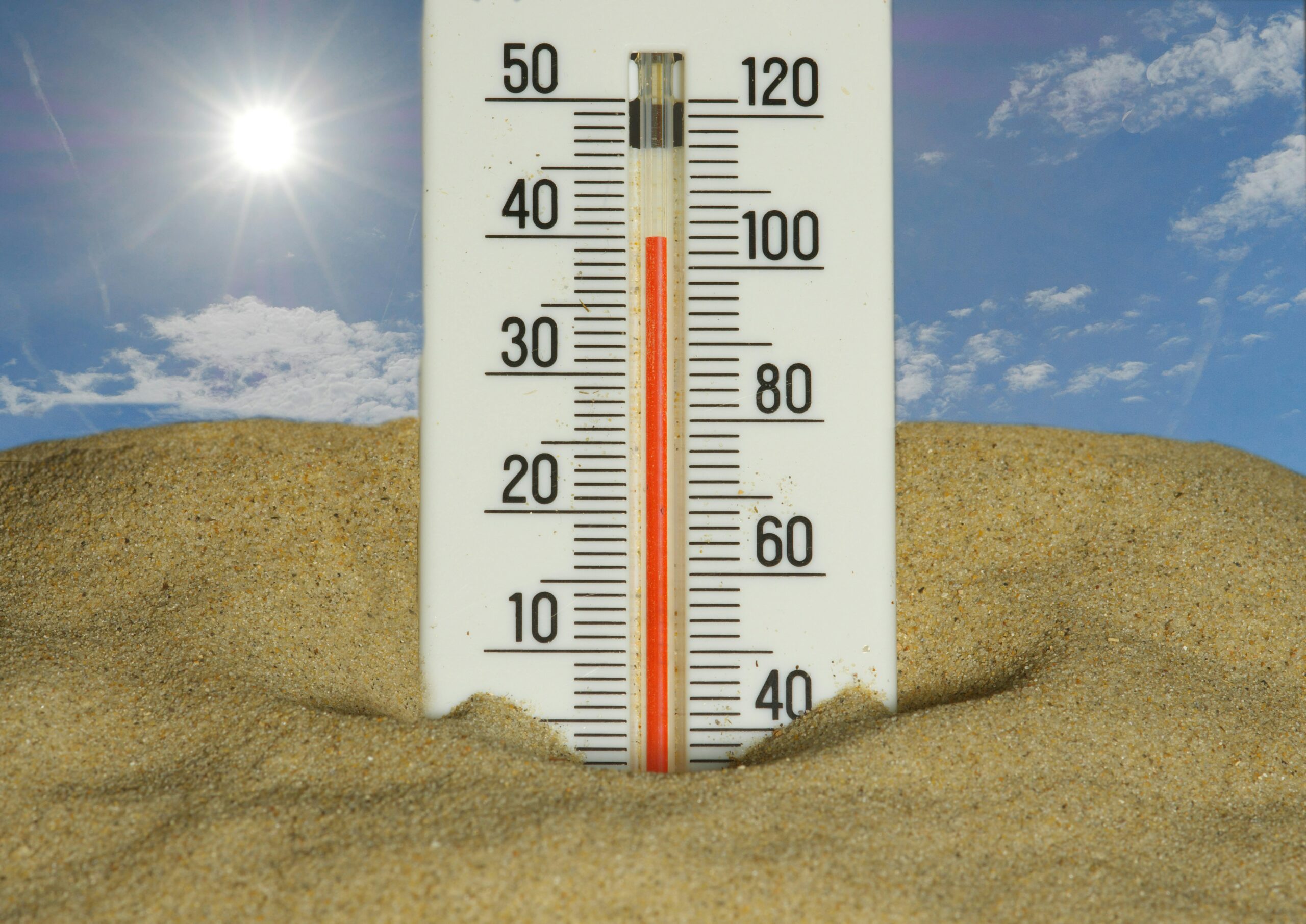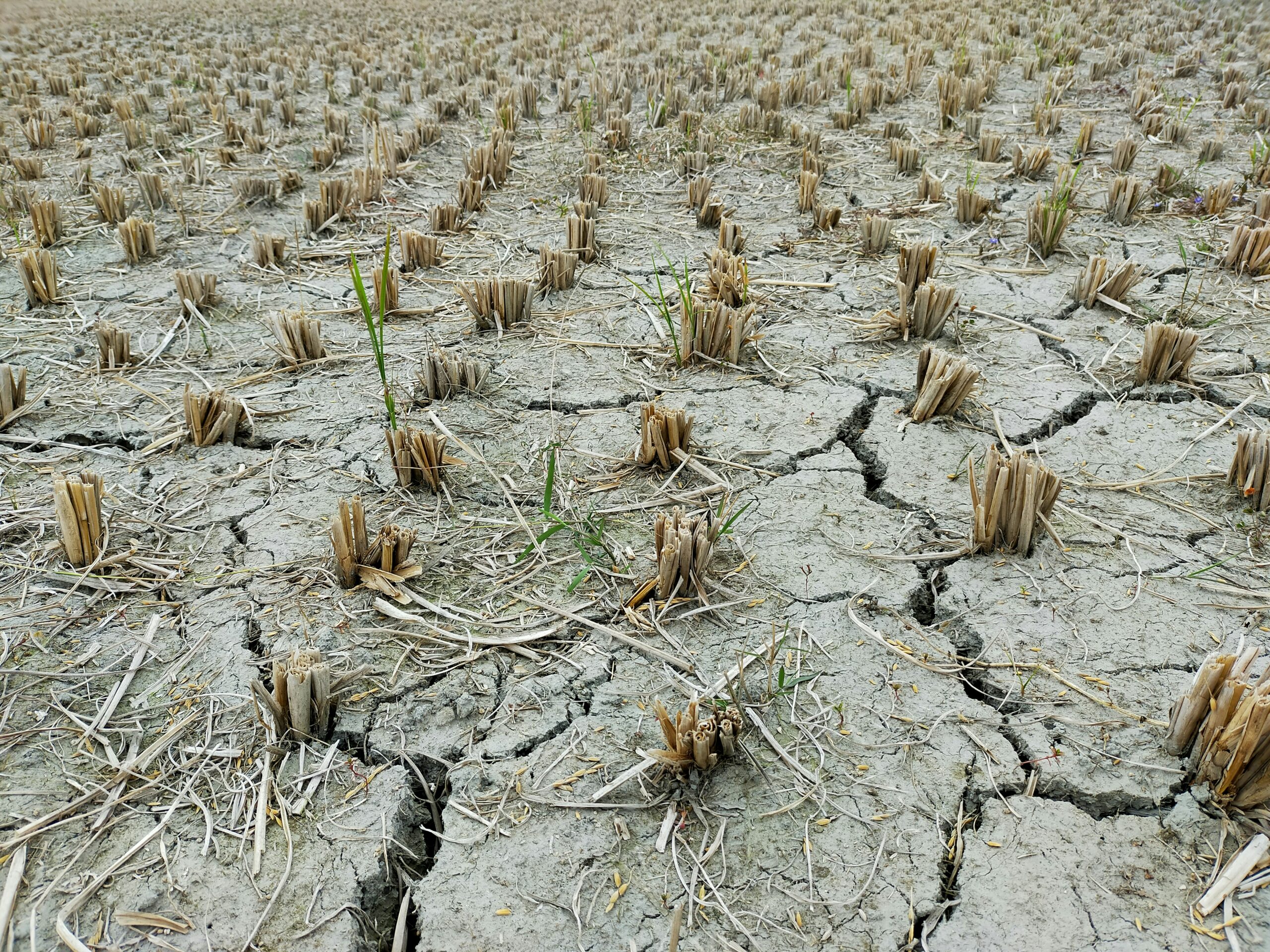
Extreme heat events are becoming increasingly frequent and intense worldwide, posing a significant and growing threat to human health, infrastructure, and economies. This alarming trend is inextricably linked to the ongoing effects of climate change, according to recent scientific analysis and global health warnings. The escalation in both the duration and severity of heatwaves demands urgent attention from policymakers, public health officials, and local communities tasked with mitigating the potentially catastrophic human cost.
The primary driver of this heightened risk is the steadily rising global average temperature, exacerbated by changes in atmospheric circulation patterns. These conditions dramatically increase the probability of sustained periods where temperatures far exceed historical averages, pushing physiological limits and placing immense strain on societal resources. While naturally occurring weather variability still plays a role, human-caused emissions of greenhouse gases are consistently stacking the deck in favour of more dangerous heat extremes.
Public Health Crisis Unfolds
The ramifications of sustained high temperatures are most acutely felt in public health. Direct risks include heatstroke and hyperthermia, which can be fatal, particularly among vulnerable populations such as the elderly, young children, individuals with chronic health conditions, and outdoor workers. Beyond immediate heat-related illnesses, extreme heat exacerbates existing cardiovascular and respiratory issues, leading to spikes in hospital admissions and elevated mortality rates.
Furthermore, these conditions strain essential infrastructure. Power grids often buckle under the demand for air conditioning, leading to blackouts that cut off critical cooling resources when they are needed most. Transportation systems, including roads and rail lines, can deform or malfunction, disrupting commerce and emergency services.
One key challenge is the phenomenon of “night-time warming.” When temperatures fail to drop significantly after sunset, the human body cannot adequately recover from the daytime heat, dramatically increasing the cumulative health risk. Urban areas, often experiencing the “urban heat island effect”—where heat is trapped by concrete and asphalt—are particularly susceptible to this lack of nocturnal cooling.
Strategies for Adaptation and Resilience
Addressing this global threat requires both rapid efforts to curb emissions and robust strategies focused on adaptation. Public health agencies are emphasizing preparedness, highlighting the importance of developing early warning systems and accessible cooling centres.
For communities grappling with escalating heat, actionable steps include:
- Urban Greening: Increasing tree canopy and green spaces can significantly reduce surface and ambient temperatures through shade and evapotranspiration.
- Infrastructure Modification: Implementing “cool roof” technologies and reflective pavement materials helps reduce absorbed heat in densely built areas.
- Workplace Safety: Implementing enforced rest breaks, hydration requirements, and scheduling adjustments for outdoor labourers to avoid the hottest parts of the day.
- Public Education: Ensuring widespread awareness of hydration best practices and recognizing the early signs of heat-related illness.
As the climate continues to warm, extreme heat will transition from a seasonal inconvenience to a persistent and pervasive annual threat. Investing in resilience and implementing adaptive urban planning measures are no longer optional expenditures but critical investments safeguarding global well-being and economic stability for the decades to come. The collective response to mitigating this silent, yet deadly, hazard will determine the future liveability of many of the world’s most populous regions.