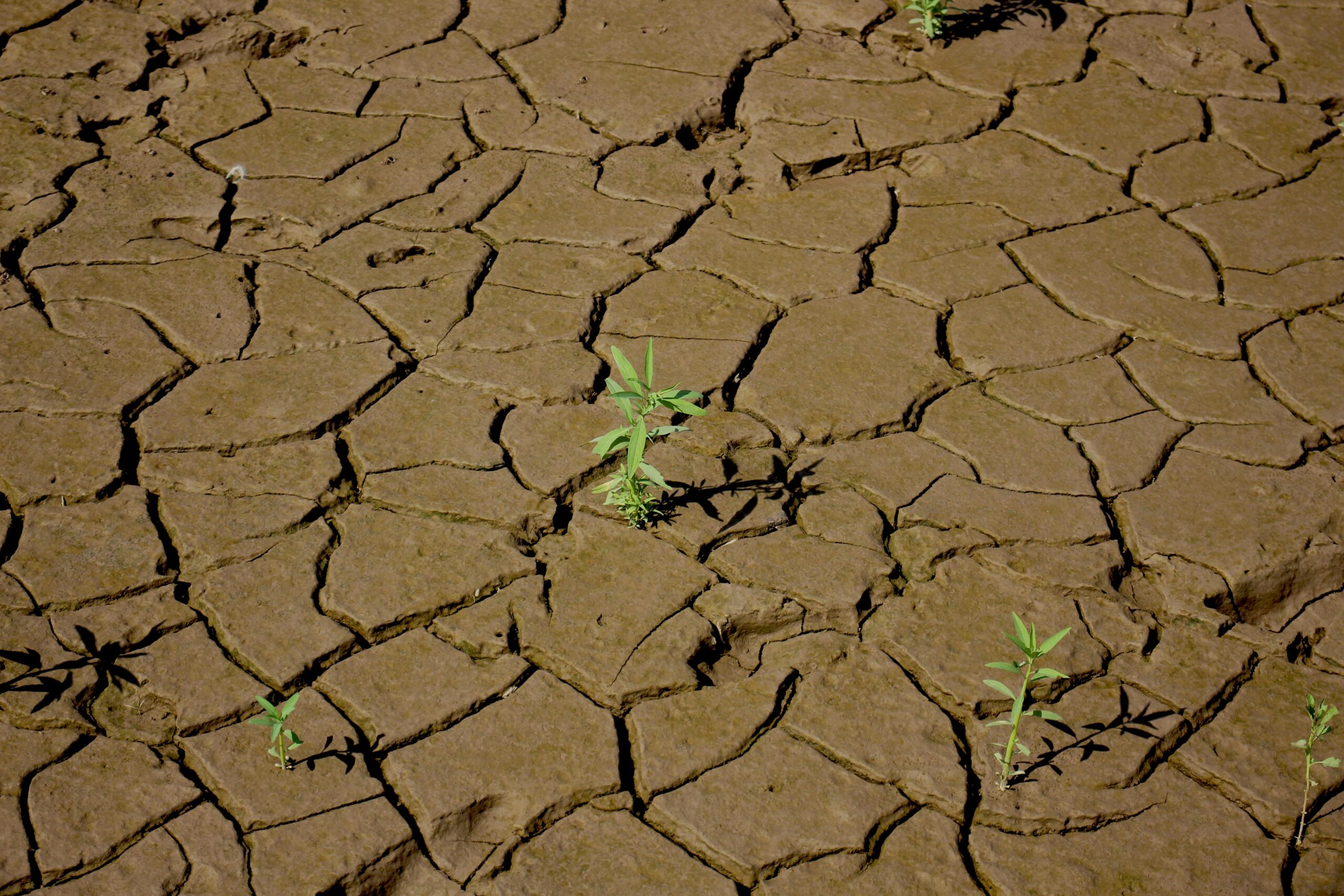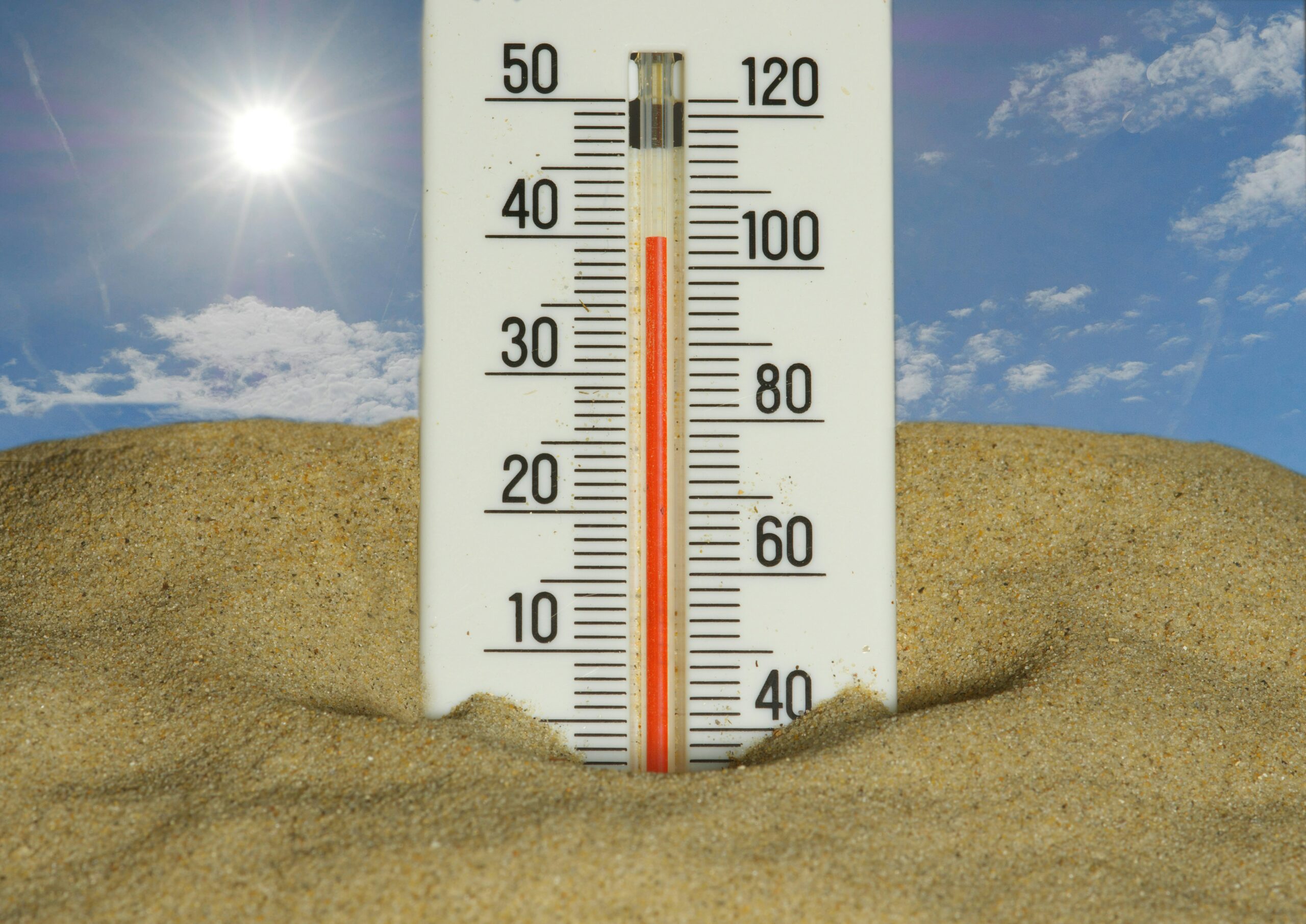
Record-breaking heatwaves are scorching large swaths of the globe this summer, pushing temperatures to dangerous highs and highlighting the immediate public health crisis posed by accelerating climate change. From North America to Europe and Asia, extreme temperatures, exacerbated by persistent high-pressure systems and oceanic warming, are challenging power grids, damaging crops, and, most critically, straining healthcare systems as vulnerable populations face severe heat-related illnesses.
Understanding the Escalating Heat Risk
Scientists attribute the exceptional intensity and duration of these heat events directly to human-caused climate disruption. While local weather patterns always contribute to hot summers, the sheer frequency and severity of recent extremes would be statistically improbable without the steady rise in global baseline temperatures. The increased concentration of greenhouse gases traps heat in the atmosphere, making naturally occurring heat domes, or persistent high-pressure systems, far hotter and longer-lasting than in decades past.
In many regions, overnight temperatures are failing to drop significantly, eliminating the natural recovery period essential for human physiology. This sustained heat burden is particularly dangerous for the elderly, young children, outdoor workers, and individuals with underlying health conditions, making heatstroke and dehydration increasingly common and potentially fatal occurrences.
According to data compiled by monitoring bodies, several major metropolitan areas have already recorded their highest-ever average July temperatures, forcing local authorities to issue unprecedented extreme heat alerts and activate emergency response plans. Hospitals are reporting a steep increase in emergency room visits related to hyperthermia, circulatory problems, and respiratory distress.
Public Health Response and Mitigation
The immediate public health imperative is focused on mitigating the risks associated with exposure. Health officials stress that preparation and awareness are crucial for survival during peak heat events.
Key strategies for staying safe during a heatwave include:
- Hydration: Consuming plenty of water and electrolyte-rich fluids, avoiding excessive caffeine and alcohol.
- Timing Activity: Limiting strenuous outdoor work or exercise to the cooler hours of the morning or evening.
- Seeking Cool Spaces: Spending the hottest part of the day in air-conditioned environments, such as official cooling centres or public libraries.
- Checking on Neighbours: Ensuring vulnerable family members and neighbours have access to cooling and hydration.
Governments are also implementing longer-term mitigation efforts. Many cities are focusing on ‘urban greening’ initiatives—planting trees and installing heat-reflective surfaces—to combat the urban heat island effect, where concrete and asphalt absorb and re-emit heat at higher rates than natural landscapes.
The current global heatwave serves as a stark reminder that preparing for heat is as vital as preparing for storms or floods. As the world pushes past key warming thresholds, heat-related morbidity and mortality are poised to become one of the defining public health challenges of the 21st century, demanding swift policy changes and infrastructure investments centered on climate resilience. The trajectory of these extreme summer heat events underscores the urgent need for accelerated global efforts to reduce emissions and adapt to a warming world.