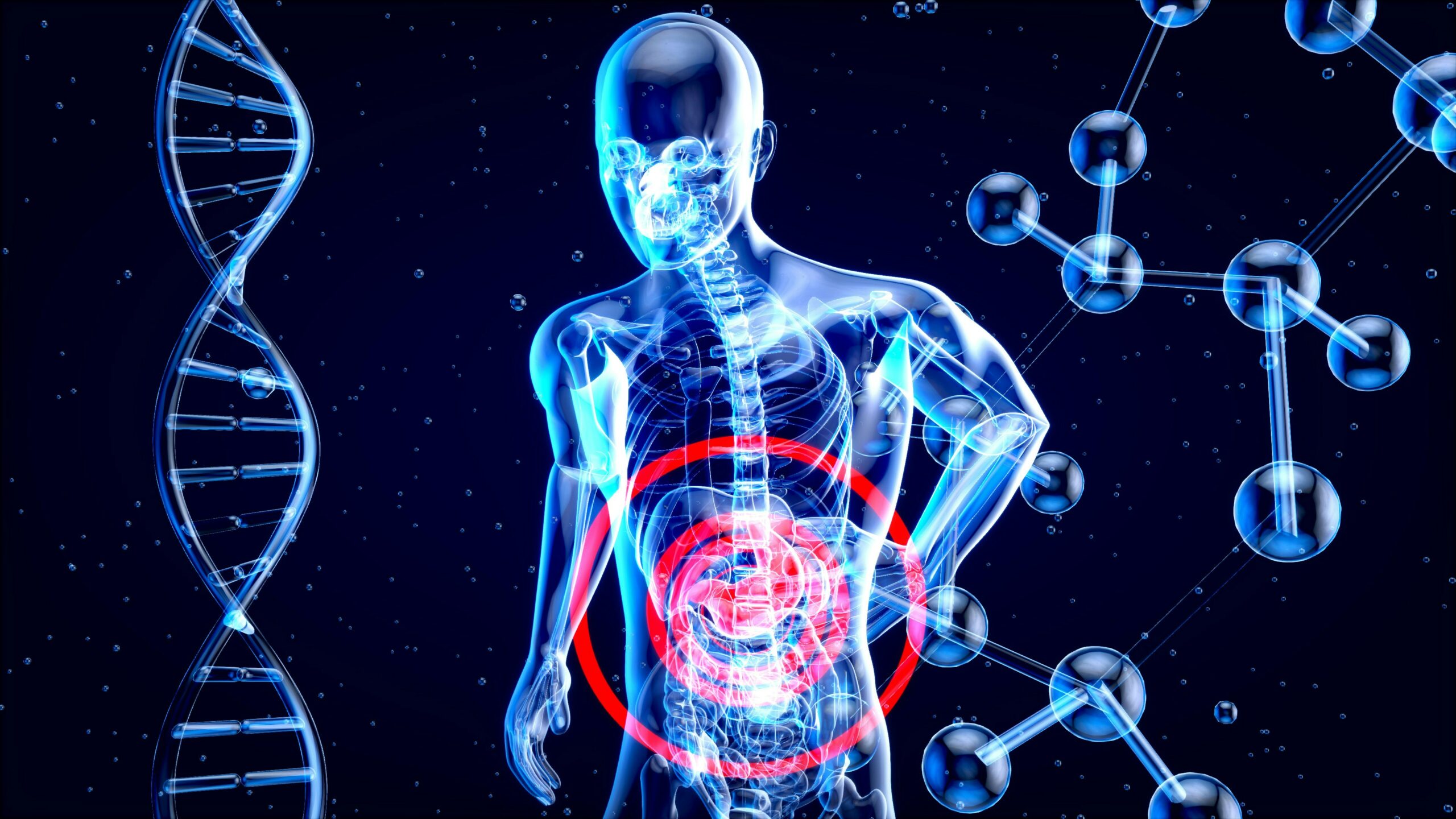
Artificial intelligence is rapidly reshaping the landscape of global healthcare and scientific research, moving beyond theoretical promise to deliver tangible advancements in diagnostics, drug development, and personalized medicine, according to recent developments in the field.
The integration of advanced computational models, commonly known as artificial intelligence (AI), is poised to revolutionize how diseases are detected, pharmaceutical treatments are created, and scientific knowledge is generated. Across major research institutions and clinical settings, AI algorithms are proving adept at analyzing immense datasets—from genomic sequences to medical images—at speeds and accuracies far surpassing human capabilities alone. This shift marks a pivotal moment in both patient care and the pace of new scientific breakthroughs.
Deep Learning Boosts Diagnostic Precision
One of the most immediate and profound impacts of AI is observed in medical diagnostics. Systems utilizing deep learning, a subset of AI, are being trained on millions of data points to identify subtle patterns indicative of serious conditions, often before they become clinically apparent.
For instance, in radiology, AI-powered analysis can scan complex images like MRIs and X-rays to flag potential tumours or anomalies with exceptional consistency, providing critical support to human specialists. Similarly, in ophthalmology, AI tools analyze retinal scans to predict diabetes progression or the risk of blindness years in advance. This early detection capability significantly enhances treatment efficacy and patient outcomes.
Dr. Eleanor Vance, a computational biologist specializing in health data, emphasizes the shift: “AI doesn’t replace the doctor; it augments their abilities, transforming them into super-diagnosticians. By automating the screening of vast, complex data, we free up clinicians to focus on patient interaction and nuanced decision-making.”
Accelerating Drug Discovery and Personalised Medicine
Beyond diagnostics, AI is dramatically shortening the notoriously long and expensive timeline for drug development. Traditional pharmaceutical research often involves years of costly trial and error. AI platforms, however, can simulate millions of molecular interactions and predict the effectiveness and toxicity of drug candidates almost instantaneously.
This capability is particularly vital in the fight against complex diseases like cancer. AI models analyze the unique genetic makeup of a patient’s tumour to recommend tailored, personalised treatment regimens, moving away from “one-size-fits-all” approaches. By matching specific mutations with the most effective existing drugs, or even helping design new therapeutic molecules, AI minimizes ineffective treatments and reduces side effects.
Addressing Ethical Challenges and Accessibility
While the utility is undeniable, the widespread adoption of AI in such critical fields raises essential ethical and practical considerations. Concerns over data privacy, algorithmic bias, and the potential for over-reliance on technology are subjects of active debate. If AI systems are trained primarily on data from certain demographics, they may perform poorly or incorrectly diagnose patients from underrepresented groups, potentially exacerbating existing health inequities.
Ensuring the models are transparent and interpretable—meaning doctors can understand why an AI made a particular recommendation—is crucial for maintaining trust and professional accountability.
Governments and regulatory bodies worldwide are working to establish robust frameworks to govern the development and deployment of these sophisticated tools. The ultimate goal is to leverage AI’s predictive power while safeguarding patient rights and ensuring global access to these life-saving technologies. As AI continues to mature, its integration promises not just incremental improvements, but a fundamental reshaping of how humanity approaches health and scientific inquiry.