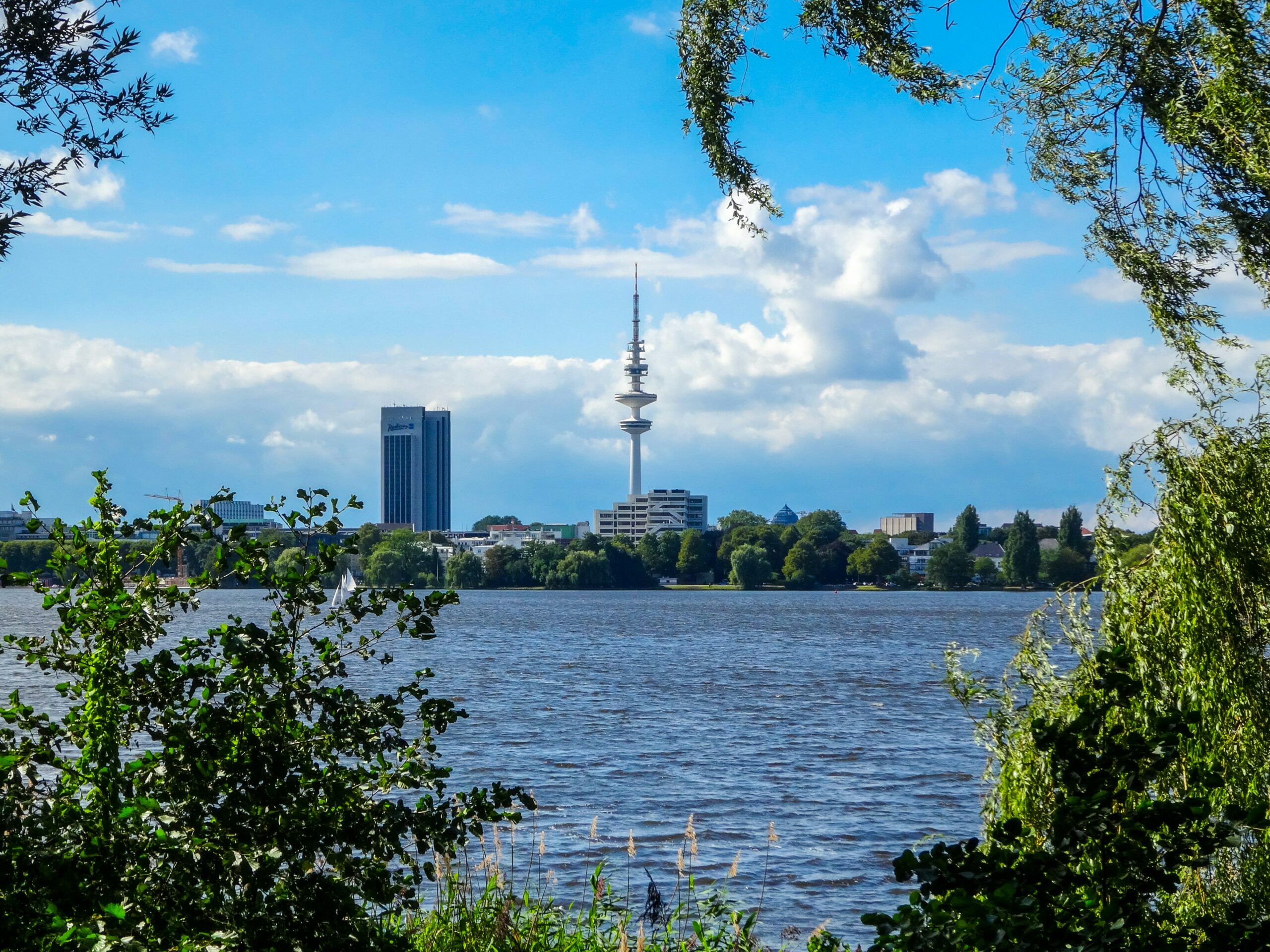
Delegates from nearly 200 nations convene this week in Bonn, Germany, for crucial United Nations climate talks aimed at setting the stage for the pivotal COP29 summit later this year. These interim negotiations focus intensely on reviewing national progress toward limiting global warming to the critical 1.5 degrees Celsius target established by the Paris Agreement, addressing financing gaps for climate adaptation, and solidifying the framework for the next round of ambitious national climate plans due in 2025.
Bridging the Great Emissions Divide
The Bonn conference, formally known as the 60th sessions of the Subsidiary Bodies (SB60), serves as a working session to iron out technical and political hurdles that stalled consensus during last year’s discussions. A central tension remains the dramatic disparity between wealthy, highly industrialized nations—historically responsible for the bulk of greenhouse gas emissions—and developing countries facing the most immediate and devastating impacts of a warming planet.
Experts emphasize that current global pledges, known as Nationally Determined Contributions (NDCs), are woefully insufficient. Analysis indicates that even full implementation of these existing commitments puts the world on track for dangerously high warming, potentially exceeding 2.5 degrees Celsius by the century’s end. This gap necessitates immediate, enhanced ambition and robust implementation mechanisms.
A key point of contention is the New Collective Quantified Goal (NCQG) on climate finance. Developing nations are demanding clarity on how much money affluent countries will commit post-2025, and how that financing will shift from loans to grants, particularly for vulnerable nations needing to build resilience against extreme weather events, rising seas, and prolonged droughts.
The Role of National Climate Plans
The focus on the so-called “ratchet mechanism” of the Paris Agreement is particularly sharp. Every five years, nations are meant to submit increasingly ambitious NDCs. The next major submission cycle is scheduled for 2025, making the groundwork laid in Bonn vital for ensuring these plans are strong enough to meet global targets.
Discussions are centering on the quality and content of these future plans. For instance, there is pressure for nations to include concrete, sector-specific targets—such as mandates for transitioning from fossil fuels to renewable energy—rather than broad, aspirational statements. Furthermore, integrating climate adaptation strategies alongside mitigation plans is being stressed, recognizing that many communities are already grappling with irreversible climate change consequences.
The recent global stocktake completed at COP28 confirmed the collective failure to rapidly decarbonize. The talks in Bonn must now translate that sobering assessment into concrete action plans. Delegates must tackle lingering disagreements on market mechanisms for carbon trading and transparency in reporting emissions.
Looking Ahead to COP29
The outcomes in Bonn will directly influence the success of COP29, slated to take place in Baku, Azerbaijan, this November. Securing the new climate finance goal (NCQG) is paramount, as failure to provide predictable and accessible funding risks fracturing the vital trust needed for a cohesive global climate effort.
The urgency could not be higher. Global warming is accelerating, and the window for effective preventative action is rapidly closing. The nations gathered in Germany face the formidable task of turning ambition into equitable and enforceable policy, ensuring that the burden of transition is shared fairly and that the global target of limiting warming to 1.5 degrees Celsius remains within reach. Their diplomatic engagement over the coming days will determine the trajectory of international climate cooperation for the rest of the decade.