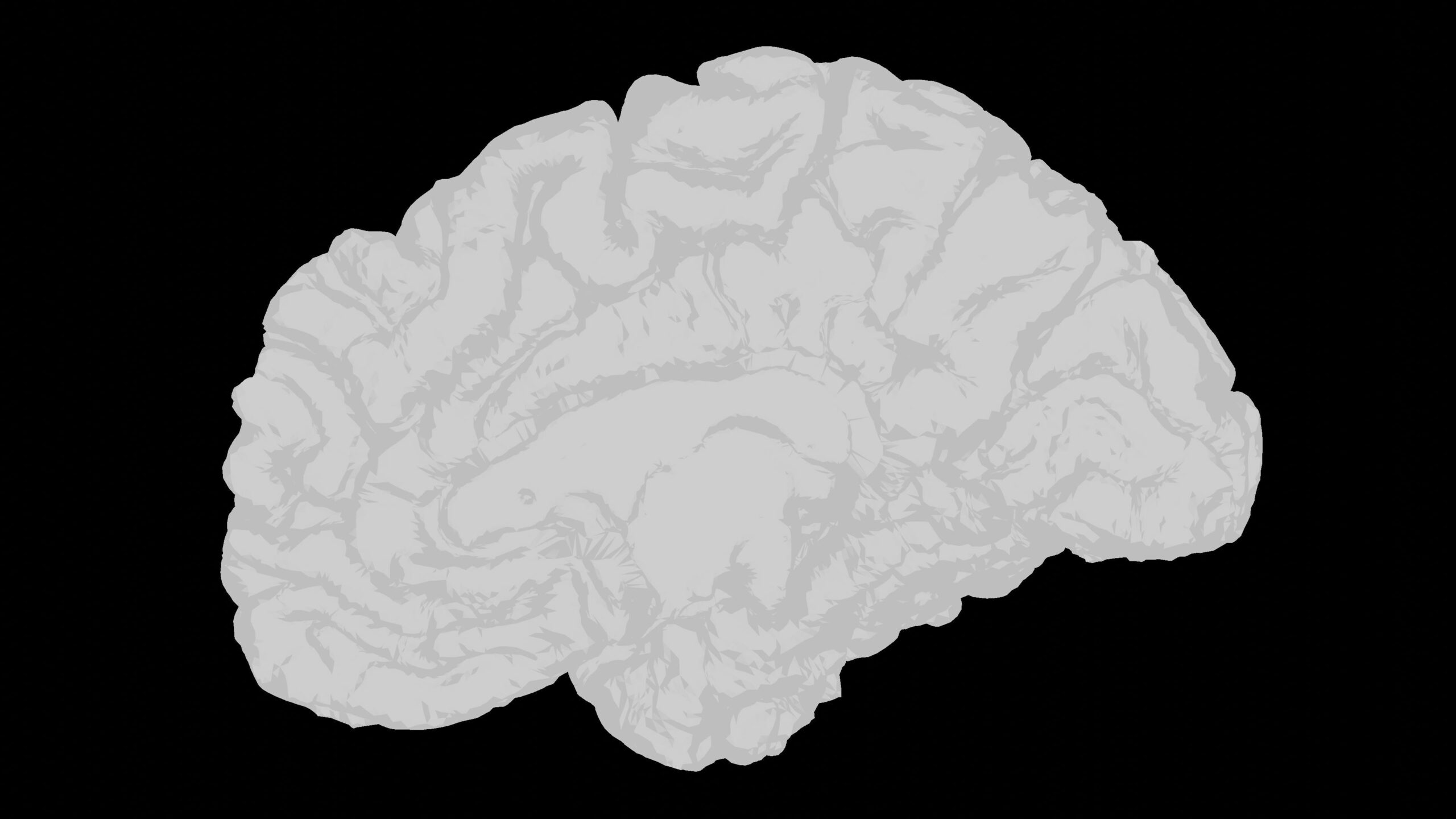
Bilingualism appears to offer substantial cognitive advantages across the lifespan, a major new longitudinal study confirms, suggesting that mastering a second or third language may delay the onset of certain age-related mental declines.
A recent multi-year research project, undertaken by an international consortium of neuroscientists and linguists, has shed light on the pervasive benefits of multilingualism. The findings, published this week in the peer-reviewed journal Cognitive Science, suggest that individuals proficient in two or more languages exhibit significantly improved executive function compared to their monolingual counterparts, regardless of the age at which the second language was acquired.
The investigation tracked over 1,500 participants from diverse linguistic backgrounds across Europe and North America for more than two decades. Researchers employed a battery of standardized cognitive tests focusing on attention switching, working memory, and inhibition control—skills collectively categorized as executive functions. These tasks are critical for problem-solving, planning, and managing distractions.
The Mechanism Behind the Multilingual Advantage
The continuous mental negotiation required to switch between different languages appears to strengthen specific neural pathways, effectively giving the multilingual brain a rigorous, daily workout. Dr. Eleanor Vance, lead researcher at the University of Edinburgh and a co-author of the paper, explained the mechanism in a press briefing.
“When a bilingual person speaks, both language systems are constantly active,” Dr. Vance noted. “The brain must suppress the vocabulary and grammar of the non-target language at lightning speed. This practice in inhibition control translates to real-world cognitive resilience, helping individuals filter irrelevant information in daily tasks.”
The study also found compelling evidence regarding cognitive reserve. Participants who actively used multiple languages showed slower rates of age-related cognitive decline. While monolingual subjects began exhibiting measurable decreases in processing speed around age 65, the onset of similar declines was delayed by an average of five to seven years for actively multilingual participants.
Implications for Education and Public Health
These findings carry significant weight for educational policy and public health strategy. The research strongly advocates for the early introduction of foreign language training in school curricula, not only for cultural enrichment but as a preventative health measure.
Key Cognitive Benefits Observed:
- Improved Task Switching: Bilingual individuals displayed faster and more accurate shifting between mental tasks.
- Enhanced Working Memory: Better capacity to hold and manipulate different pieces of information simultaneously.
- Delayed Cognitive Decline: A potential protective effect against age-related memory and processing issues.
Crucially, the study emphasized that the benefits are not exclusive to those who learn a second language in childhood. Adults who picked up a new language later in life—and maintained active use—still reaped substantial cognitive rewards, suggesting it is never too late to start.
Making Multilingualism Accessible
For many, achieving fluency in a second language can seem daunting. However, experts stress that consistent, active engagement is the critical factor. Even moderate proficiency and regular practice are shown to be beneficial.
Efforts are now underway to translate this scientific understanding into actionable policy. Public health officials are exploring ways to encourage language acquisition among older adults as a preventative measure against dementia, alongside other recognized interventions like physical exercise and social engagement.
“Learning a new language is increasingly proving to be one of the most effective, accessible forms of brain training available,” the report concludes. Future research will focus on quantifying the specific “dosage” of language use needed to maximize these protective cognitive effects. For now, the message is clear: the ability to speak another tongue offers far more than just communication—it builds a stronger, more resilient mind.