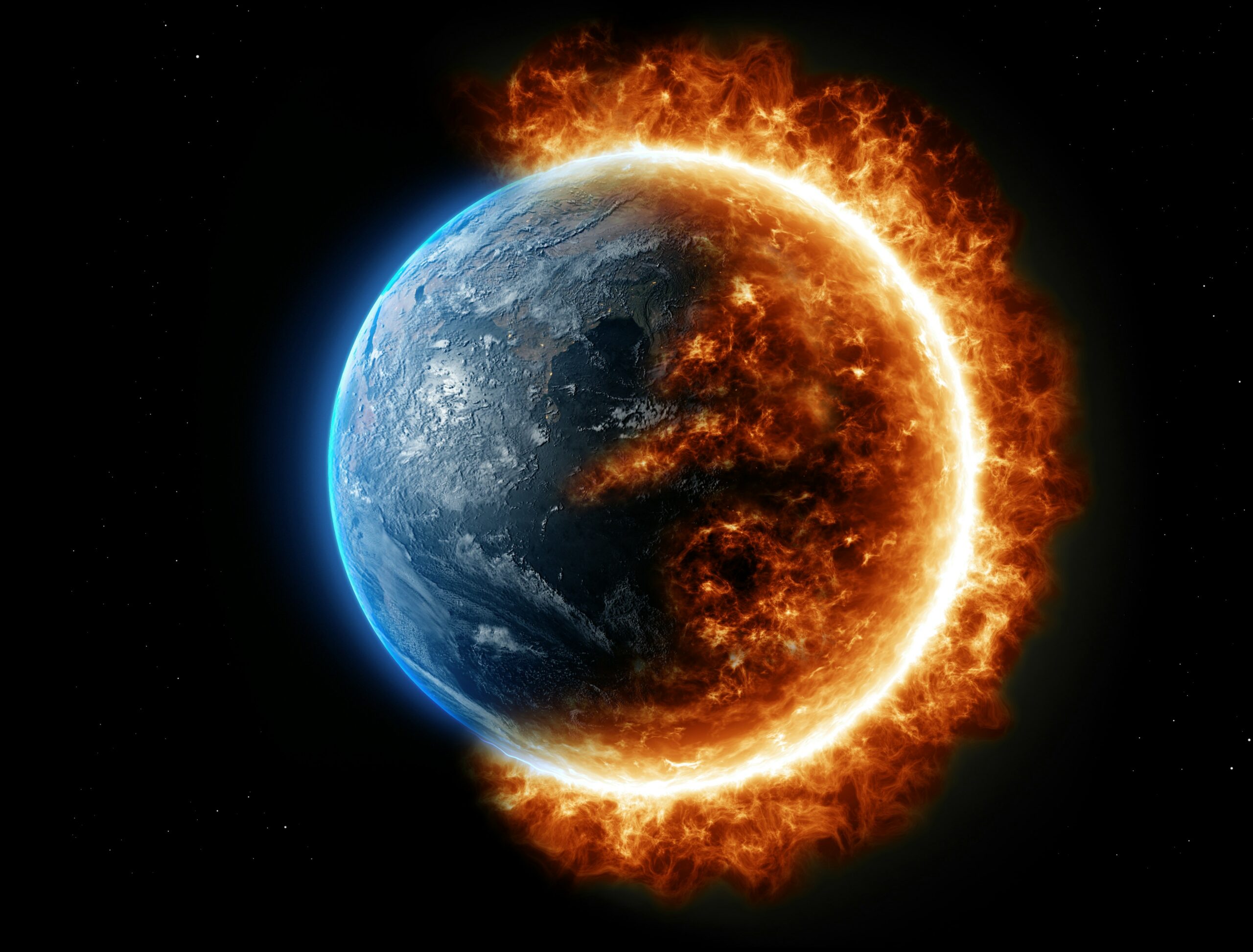
The world is significantly off track to meet critical climate targets aimed at limiting global warming, according to a stark new assessment from the United Nations Framework Convention on Climate Change (UNFCCC). This week’s findings underscore an alarming gap between the pledges governments have made under the Paris Agreement and the concrete, rapid cuts in greenhouse gas emissions necessary to avert the worst consequences of climate change. The report, synthesizing the latest nationally determined contributions (NDCs), confirms that current trajectories point toward a temperature rise far exceeding the crucial 1.5 degrees Celsius threshold.
The Paris Agreement mandates that countries regularly submit updated NDCs, outlining their commitments to reduce national emissions. However, the UNFCCC analysis shows that the collective impact of these current pledges remains insufficient. Despite a growing global consensus on the urgent need for climate action, the rate of emission reduction is stalling, primarily due to delayed policy implementation and persistent reliance on fossil fuels.
Persistent Reliance Hampers Progress
The challenge is multi-faceted, involving complex geopolitical and economic considerations. Major economies, which collectively account for the largest share of global emissions, have been slow to fully commit to and implement the deep and immediate cuts required. While many nations have set ambitious long-term net-zero goals, the short-term strategies—specifically those spanning the next decade—lack the necessary rigour and speed.
Experts caution that “front-loading” climate action is essential. Simply setting goals for 2050 is not enough if emissions peak only around 2030. The cumulative effect of emissions released in the interim will consume the remaining carbon budget before mid-century.
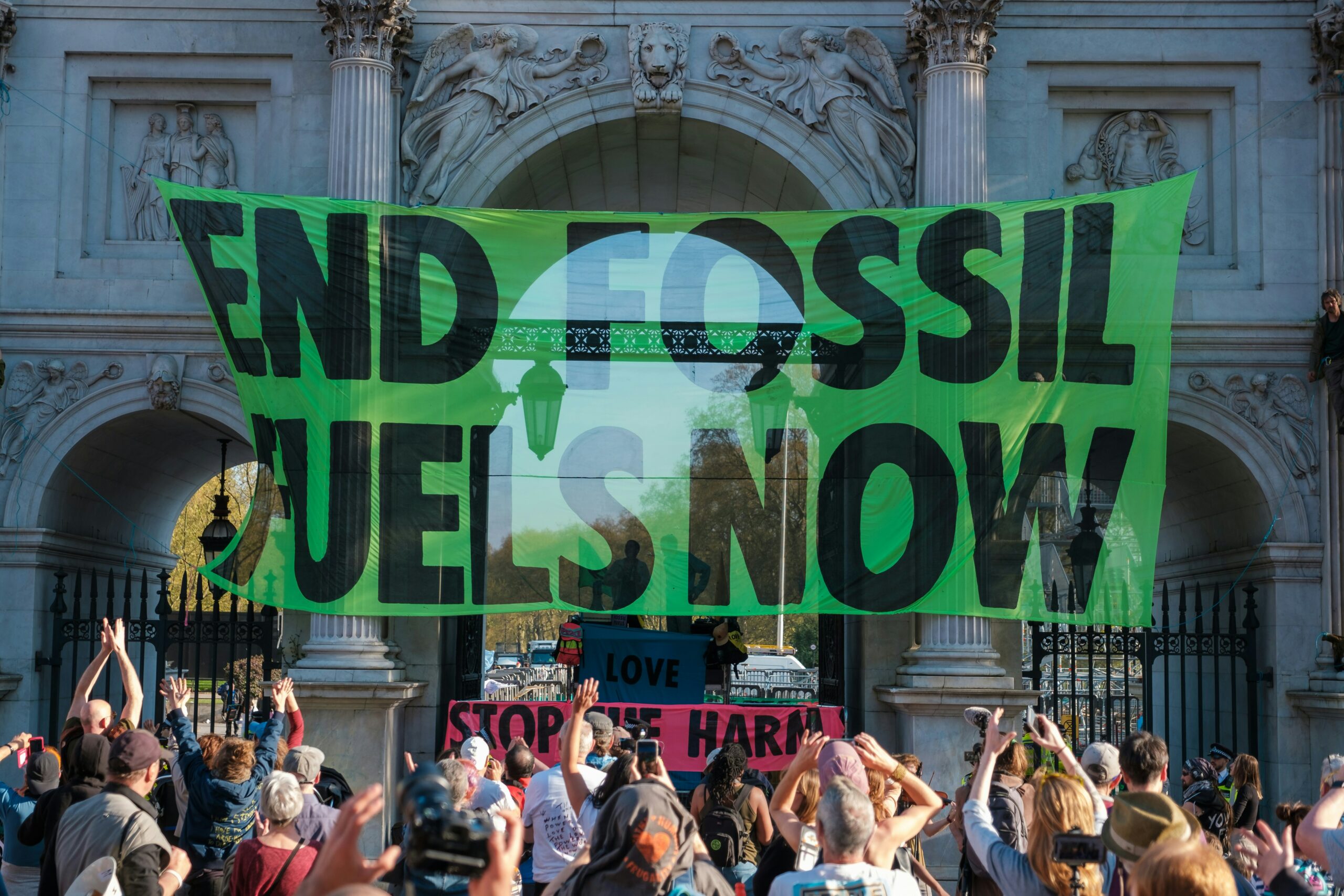
“[We are experiencing] a dangerous inconsistency between rhetoric and reality,” stated Dr. Lena Hughes, a climate policy analyst involved in the assessment. “Governments must move past abstract long-term targets and finalize the sector-specific regulations, infrastructure overhauls, and financial mechanisms needed to transition away from coal, oil, and gas now.”
Closing the Emissions Gap
To get back on the 1.5°C pathway, global emissions must fall by approximately 43% by 2030 compared to 2019 levels. The current set of NDCs, even if fully realized, falls dramatically short of this requirement. The report emphasizes that incremental changes will not suffice; instead, systemic shifts are demanded across four key areas:
- Energy Generation: Rapidly phasing out coal power and accelerating the deployment of renewable energy sources, complemented by improved storage solutions.
- Transport Sector: Implementing stricter vehicle efficiency standards and investing heavily in public transit and electric vehicle infrastructure.
- Industry and Manufacturing: Decarbonizing heavy industries like steel, cement, and chemicals through technology transfer and circular economy practices.
- Land Use: Protecting and expanding natural carbon sinks, particularly forests, and fostering sustainable agriculture techniques.
Financial flows remain another significant obstacle. Developing nations require substantially more climate finance—estimated in the trillions—to achieve their own clean energy transitions and adapt to existing climate impacts. Richer nations have yet to fulfil past promises regarding global climate funding, adding strain to international negotiations.
The UNFCCC report serves as a critical temperature check ahead of the next major Conference of the Parties (COP) summit later this year. It starkly reminds world leaders that the window for effective climate action is rapidly narrowing. Success requires renewed political will, immediate policy tightening, and unprecedented global cooperation to translate ambitious pledges into verifiable, timely reductions in greenhouse gas output. Ultimately, the stability of the global climate hinges on the decisions and investments made in the remainder of this decade.