The intricate global logistics network, responsible for transporting nearly 90% of the world’s trade, is currently grappling with a severe and protracted crisis, marked by historic delays, skyrocketing costs, and widespread equipment shortages. This disruption, initially triggered by the surge in consumer demand and localized pandemic restrictions, has created a complex bottleneck impacting supply chains from Asia to Europe and the Americas.
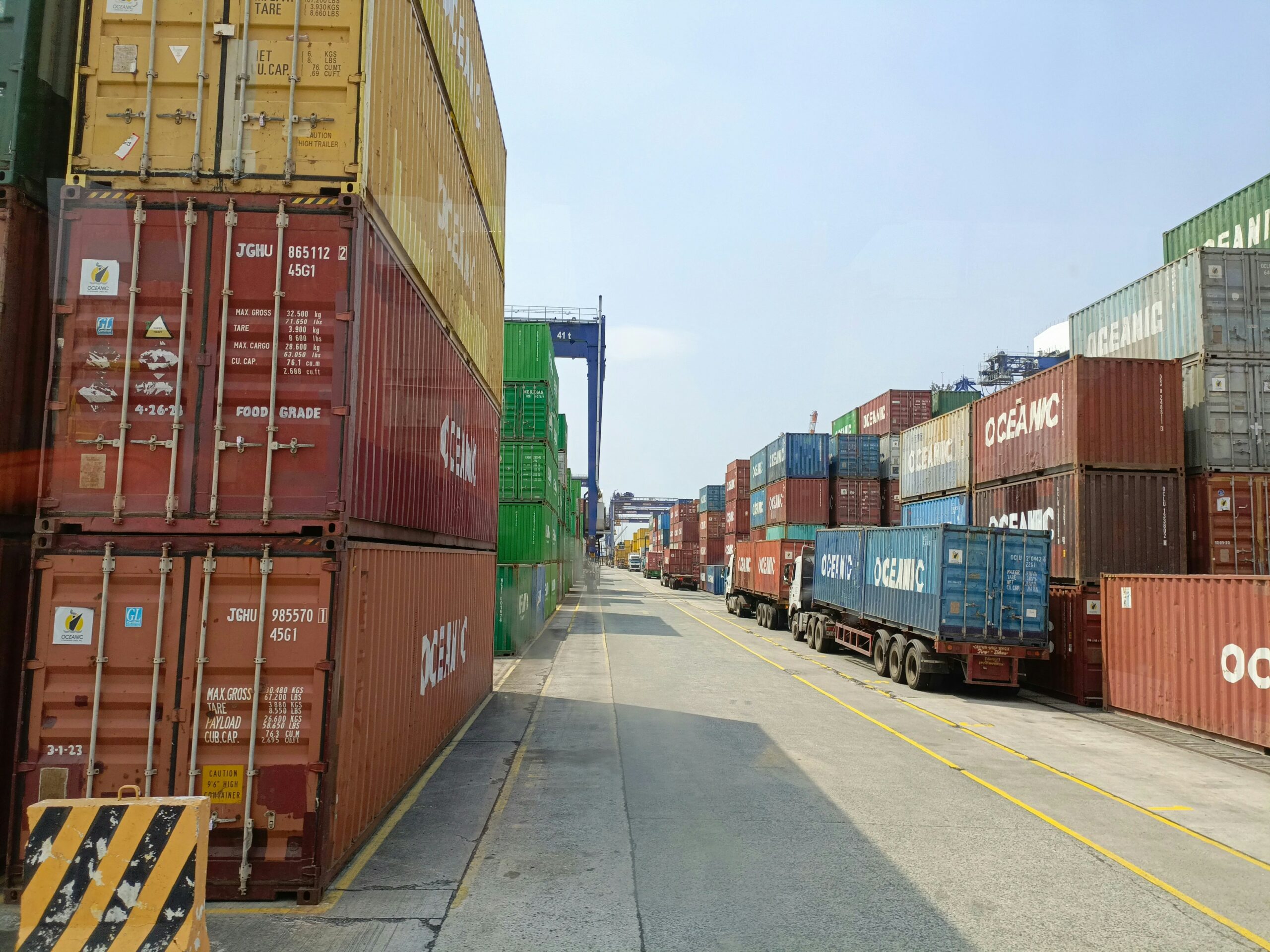
Maritime shipping, the backbone of international commerce, is experiencing unprecedented turbulence. Major shipping lanes are congested, with reports indicating that the average transit time for goods has increased by up to 50% on key routes. This is primarily driven by massive logjams at major container ports—particularly those in China and the US West Coast—where labor shortages and overwhelmed infrastructure have dramatically slowed the loading and unloading process.
The Ripple Effect of Container Inefficiencies
The core issue extends beyond simply crowded ports; it is fundamentally a matter of container imbalance. When the COVID-19 pandemic first hit, shipping lines canceled voyages, leaving millions of empty steel boxes stranded in import nations, far away from the Asian manufacturing hubs where they were needed most. As global demand rebounded sharply in late 2020 and 2021, the shortage of containers in Asia, coupled with high demand for vessel space, drove freight rates to exorbitant levels—in some cases, ten times higher than pre-pandemic averages.
According to data from the Drewry World Container Index, the cost to ship a standard 40-foot container on major trans-Pacific routes surpassed $20,000 in early 2022, a figure previously unthinkable. While rates have moderated slightly, they remain significantly elevated, burdening importers and ultimately driving up consumer prices globally.
Industry experts warn that this confluence of factors poses a serious threat to global economic recovery. “The lack of reliable movement in goods transmission is shifting from a temporary constraint to a structural problem,” noted Lars Jensen, CEO of Vespucci Maritime, a consulting firm specializing in container shipping. “Companies are being forced to choose between massive expense and unacceptable delays. This uncertainty is corrosive to planning and investment.”
Strategic Adjustments for Businesses
For businesses reliant on these supply chains, the immediate future demands strategic adaptation. While major carriers are ordering new vessels and containers, these assets will take years to enter service, meaning the current crisis is unlikely to abate quickly.
Key action points for affected businesses include:
- Diversifying Port Options: Moving away from reliance on historically congested hubs like Los Angeles/Long Beach or Shanghai.
- Embracing Lead Time Flexibility: Adjusting production schedules and inventory forecasts to account for six-to-eight-week delays, rather than the previous industry norm of three-to-four weeks.
- Negotiating Long-Term Contracts (NVOCCs): Securing space and rates through contractual agreements with Non-Vessel Operating Common Carriers to mitigate spot market volatility.
Beyond immediate fixes, the crisis has highlighted the urgent need for investment in port modernization, automation, and digital tracking technologies globally. Policymakers are increasingly focused on improving inland infrastructure—such as rail and trucking capacity—to ensure that once goods arrive at port, they can move quickly to their final destinations. Until systemic resilience is built, the turbulence in global shipping will continue to dictate the rhythm of international commerce well into the foreseeable future.