A substantial portion of the world’s most treasured cultural and natural heritage sites face acute peril due to accelerating climate change impacts, according to a comprehensive new assessment. From rising sea levels inundating ancient port cities to melting glaciers destabilizing remote mountain sanctuaries, the threats identified by UNESCO now encompass nearly one-third of all officially designated World Heritage properties, demanding immediate and coordinated international action to safeguard these irreplaceable locations for future generations.
The findings, presented last week following a multi-year monitoring period, underscore an alarming escalation in climate-related damages. While certain sites have long been recognized as vulnerable, the speed and severity of newly emerging threats have surprised researchers. Key dangers include coastal erosion exacerbated by fierce storms, temperature extremes devastating fragile ecosystems, and increased frequency of wildfires threatening historic wooden structures and irreplaceable biodiversity.
Rising Water and Heat Endangering Cultural Landmarks
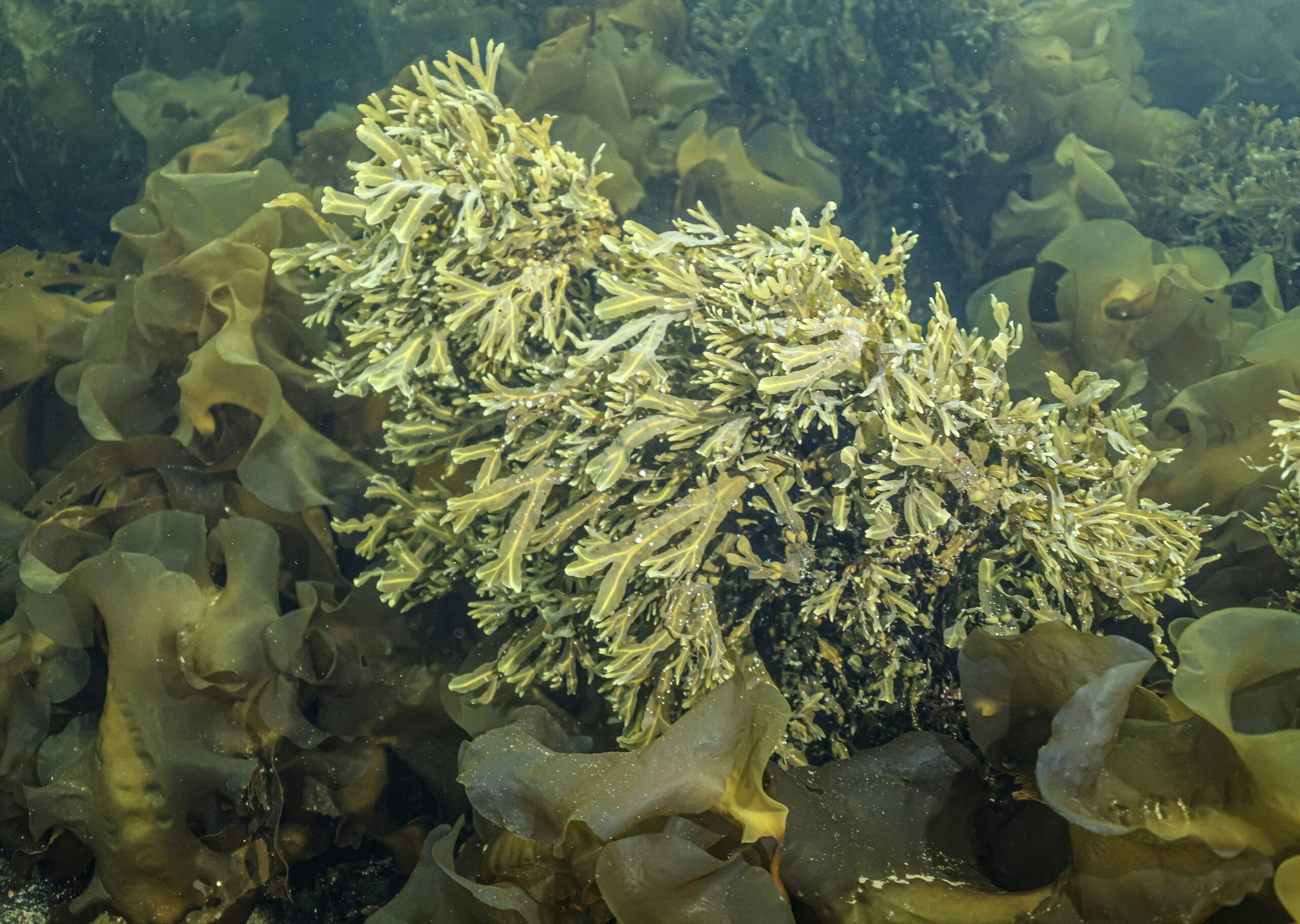
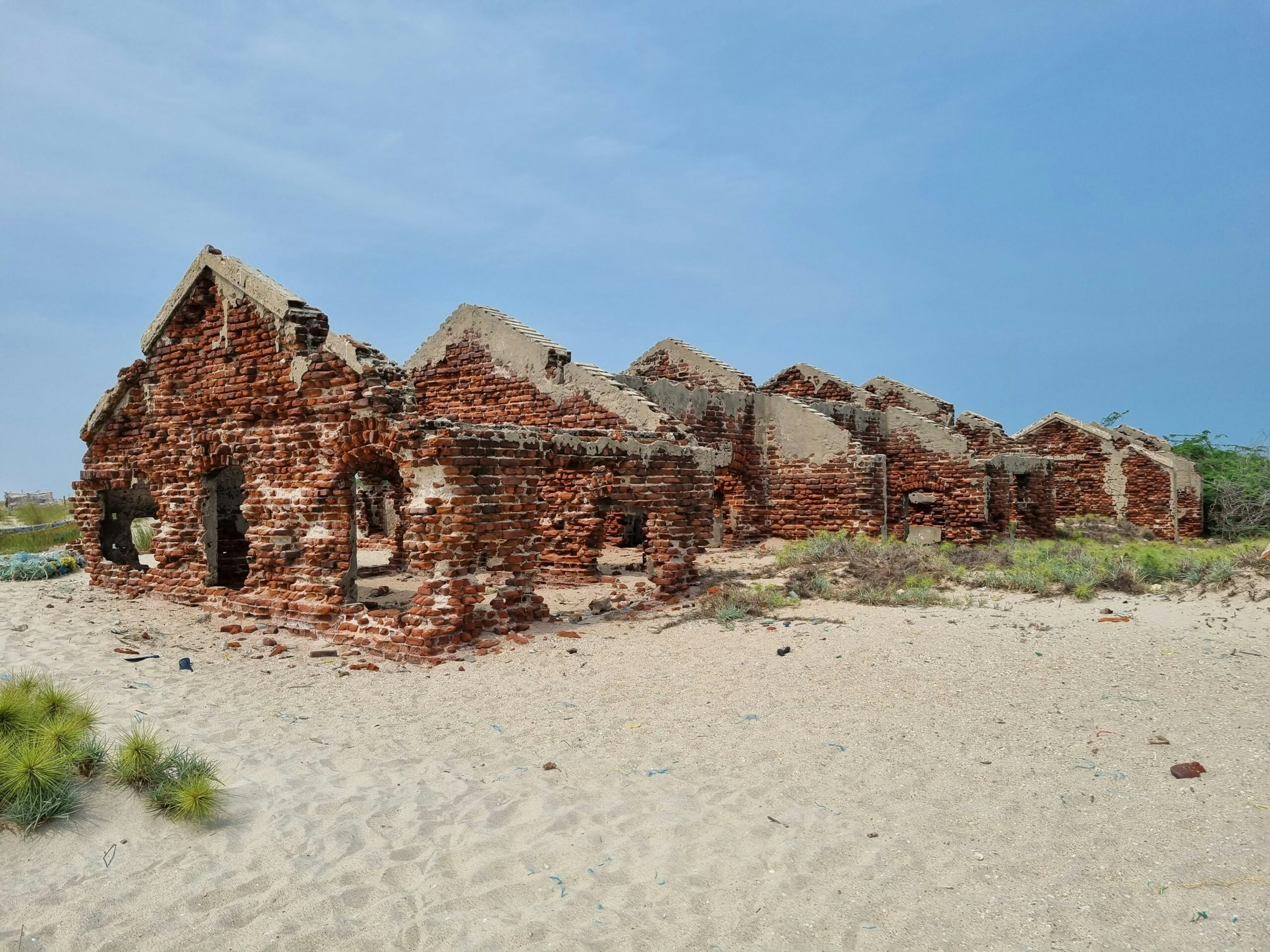
Coastal sites are experiencing some of the most immediate and visible destruction. Low-lying archaeological zones along the Mediterranean, for instance, are seeing saltwater intrusion accelerate the decay of millennia-old foundations. Meanwhile, extreme heat events are transforming the very fabric of environments that sustain natural wonders. The Great Barrier Reef, a globally recognized natural heritage site, continues to suffer recurrent mass coral bleaching events driven by sustained marine heatwaves, jeopardizing the complex marine ecosystem that UNESCO is mandated to protect.
“The climate emergency is no longer a distant forecast; it is a present reality for our most iconic historical and natural landscapes,” stated Dr. Lena Harding, a lead climate resilience expert involved in the project. “We risk losing the tangible links to human history and the crucial biodiversity hot spots that define our planet. Simply documenting the damage is insufficient; we must transition to proactive, aggressive adaptation strategies.”
The assessment highlights that developing nations often lack the financial and technical resources necessary to implement large-scale protective measures. In several African and Asian regions, drought conditions are stressing already fragile subsistence farming communities situated near heritage sites, complicating conservation efforts and creating potential conflicts over diminishing water resources.
Mobilizing for Heritage Resilience
In response to the crisis, UNESCO is shifting its focus from simple preservation to climate resilience and adaptive management. This involves integrating sophisticated climate modeling into local conservation planning and fostering international partnerships to fund robust protective infrastructure.
Key actionable steps being promoted include:
- Engineering Solutions: Implementing soft engineering techniques, such as restoring coastal mangroves and dune systems, to naturally buffer sites against stronger storms and rising tides.
- Technological Monitoring: Deploying advanced satellite and drone technology to track subtle changes in site stability, groundwater levels, and thermal stress in real-time.
- Decarbonization Efforts: Lobbying national governments to accelerate pledges to curb greenhouse gas emissions, recognizing that long-term site preservation is impossible without mitigating global temperature rise.
The escalating threat serves as a powerful symbol of the global stakes tied to climate inaction. The fate of places like Venice, Italy, and the unique wildlife of migratory bird sanctuaries are now inextricably linked to the success of international efforts to meet the Paris Agreement targets. Safeguarding these cultural and natural treasures requires recognizing that heritage conservation is now a critical component of global climate adaptation policy. Experts insist that without immediate and significant investment, many irreplaceable sites could be permanently altered or completely lost within the next few decades.