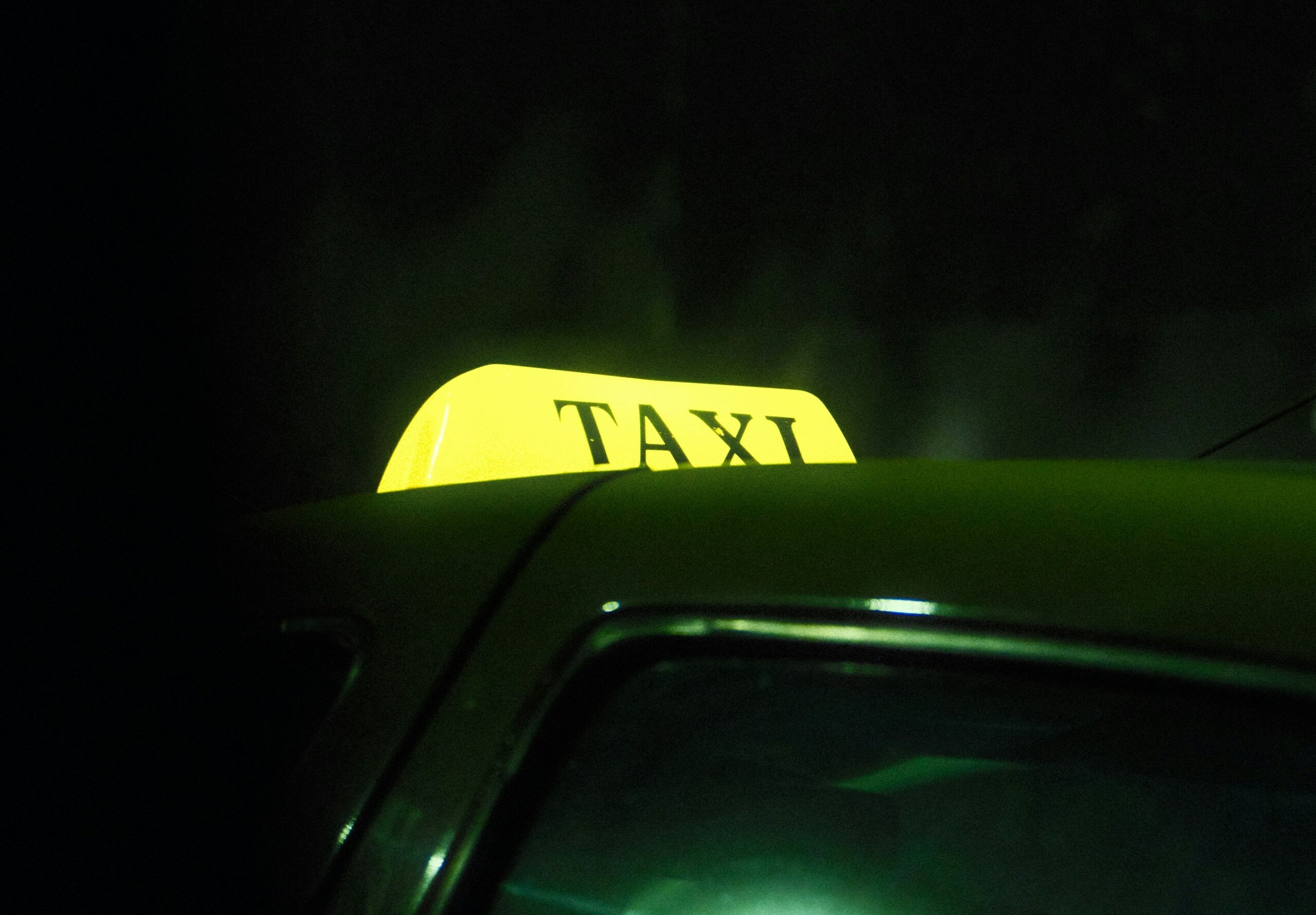
The third season of the popular Viu Original Korean drama, Taxi Driver 3, starring acclaimed actor Lee Je-hoon, immediately hooks audiences by steering the narrative toward a pervasive social menace: the criminal underworld of the used car market. The series sees protagonist Kim Do-gi, portrayed by Lee, transform into a deceptively naive, wealthy heir to infiltrate a sophisticated fraud ring. He strategically targets Car Byeong-jin (Yoon Shi-yoon), the manipulative head of the operations, while simultaneously unveiling the consumer trap of illegally re-selling flooded vehicles, culminating in high-stakes action exposing widespread criminal practices in South Korea. Viewers can follow the series on Viu every Friday and Saturday evening.
Dramatic Evolution: High-Octane Action and Character Shifts
Beyond the complex plot trajectory, the show’s iconic taxi, a symbol of vigilante justice, has undergone a significant transformation. Lee Je-hoon recently disclosed in an interview that the vehicle has been extensively modified, moving past its vintage aesthetic to become a formidable “super war machine” balancing sleek design with raw power. Lee shared the physical intensity of filming: “When the gas pedal is hit during chase scenes, the car instantly explodes forward. The sensation of being pressed back into the seat was shocking even for me.”
The escalation in plot is mirrored by the arrival of formidable adversaries. Following the capture of the villain in the first two episodes, the series introduces Car Byeong-jin, played by Yoon Shi-yoon. Yoon deliberately inverted his typical clean-cut image for the role, embracing a stark, menacing appearance—hollowed cheeks and unsettling smirk—to embody the criminal leader. Production sources revealed that Yoon undertook extreme weight loss to professionally capture the character’s erratic nature, meticulously designing subtle expressions to convey a dangerous intensity that starkly contrasts with his previous roles. This dedication has earned praise from fans who lauded the actor’s transformation.
Unmasking the Reality of Auto Fraud
Taxi Driver 3 remains grounded in societal relevance, drawing inspiration from actual fraud cases. The current storyline meticulously portrays the operational methods of unscrupulous dealers. These criminals not only purchase heavily damaged accident vehicles at low prices but also exploit loopholes in sales contracts and registration processes to ensnare victims.
Kim Do-gi and the “Rainbow Taxi” team systematically gather evidence, revealing how criminals employ professional techniques—such as replacing seatbelts, cleaning internal wiring, and resealing door trims—to expertly conceal water damage. These severely damaged, often salvaged, vehicles are then fraudulently marketed as normal used cars, generating enormous illegal profits. The series acts as a cautionary tale foregrounding the pervasive risk in the second-hand auto sector.
Lee Je-hoon’s Masterful Covert Maneuver
Adding another layer to his versatile acting repertoire, Lee Je-hoon’s character, Kim Do-gi, goes undercover as an exaggerated, spendthrift “simple rich idiot.” This facade is crucial for penetrating the inner circle of the fraud group. Adopting the persona of a naïve but eager investor, Do-gi approaches the crime boss, throwing money into transactions to quickly gain trust and observe the full extent of the scam.
In a brilliantly executed deception, Do-gi feigns ignorance, asking deceptively innocent questions like, “Was this car flooded?” This “wolf in sheep’s clothing” performance has resonated strongly with viewers, who praised Lee’s ability to portray a kind of privileged foolishness while maintaining an underlying sharp intelligence.
The series does not compromise on action, delivering tension-filled combat sequences. A pivotal scene takes place in an underground parking garage where Do-gi faces off against more than ten adversaries, including a physically imposing opponent. Lee emphasized his commitment to realism, performing the intense one-against-many combat himself. “I aimed for every punch to be explosive, maximizing the action density,” he said. “The director and I agreed that the audience must always believe that no matter how powerful the enemy, Kim Do-gi will never be defeated.” This blend of social commentary, psychological intrigue, and compelling action ensures the continuity of the series’ strong following.