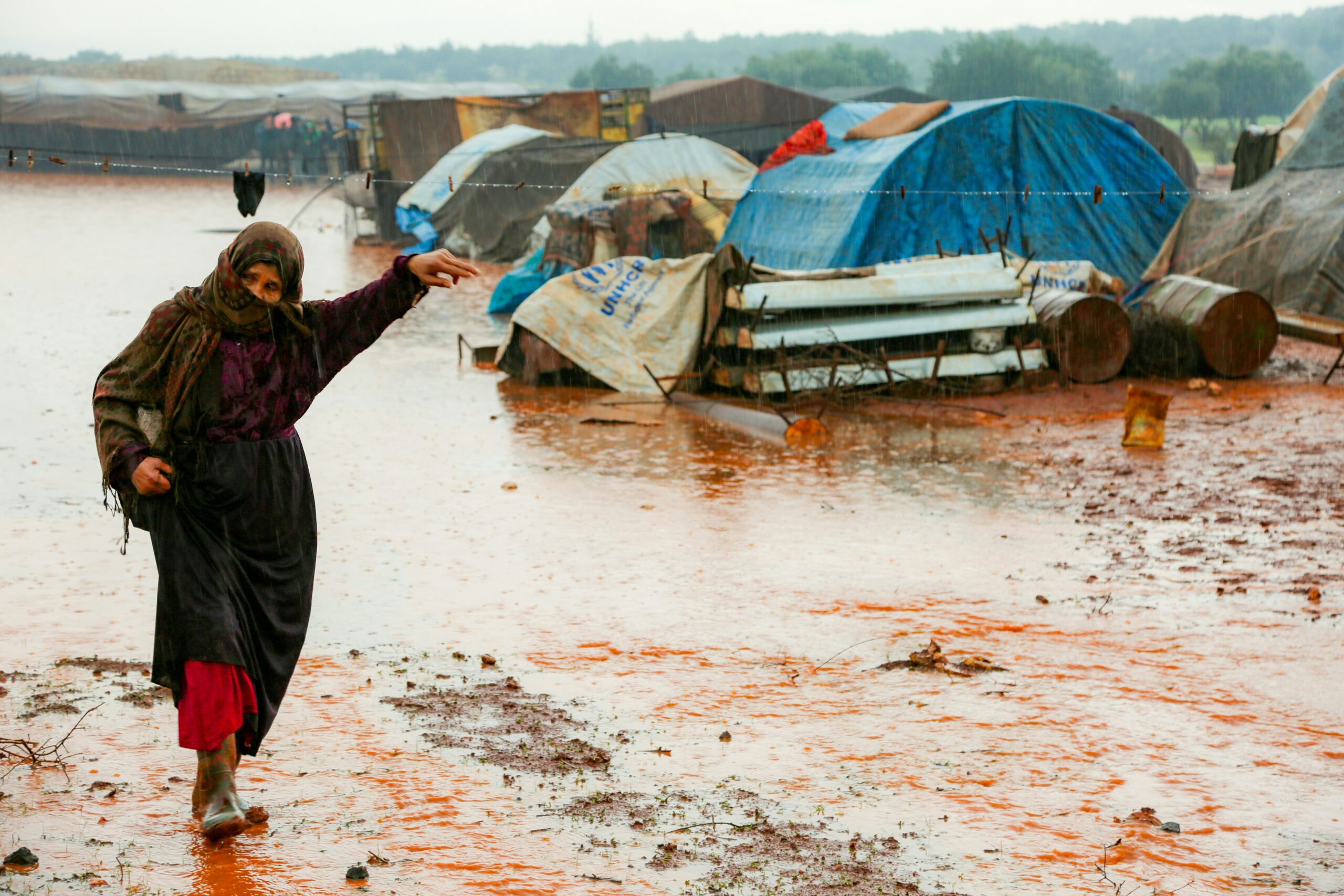
As sea levels rise and farmlands turn to dust, a growing number of families are being forced to make a heartbreaking choice: stay and fight for survival, or leave behind everything they know. This is not a future scenario—it is happening now. Across every continent, millions of people are on the move, driven not by conflict or political turmoil, but by the slow, unyielding pressure of a changing climate.
The Numbers Behind the Exodus
The World Bank projects that by 2050, more than 200 million people could be internally displaced due to climate-related factors. That figure does not account for those who cross international borders, making the true scale of this human migration potentially much larger. In Bangladesh alone, rising sea levels threaten to submerge 17 percent of the country’s landmass, displacing an estimated 20 million people within the next three decades. From the dried-up agricultural zones of Central America to the drought-stricken fields of sub-Saharan Africa, the pattern is clear and accelerating.
Where Are People Going?
The move is overwhelmingly internal. Governments and relief organizations report that most climate migrants travel from rural areas to urban centers within their own countries. Cities like Dhaka, Jakarta, and Lagos are swelling as displaced farmers and fishing communities seek safety and economic opportunity. This urban influx creates secondary crises, straining infrastructure, water supplies, and housing. In Vietnam’s Mekong Delta, entire villages have been relocated inland, while the government scrambles to develop long-term resettlement plans.
However, cross-border migration is on the rise. Central American farmers, unable to grow crops due to changing rainfall patterns, are joining the caravans heading north. Pacific Island nations, facing existential threats from rising tides, have begun negotiating relocation treaties with Australia and New Zealand.
No Legal Status for Climate Refugees
A critical gap exists in international law. The 1951 Refugee Convention does not recognize people displaced by environmental factors as refugees. This legal vacuum leaves millions without protection or assistance. “We are looking at a humanitarian crisis where people have no legal pathway,” explains Dr. Anika Rahman, a migration policy expert at the University of Oxford. “They cannot claim asylum because no law defines them as refugees. They are essentially invisible in the eyes of the international community.”
Countries like Kenya and Ethiopia are attempting to address this by creating national policies for climate-relocated populations. At the 2023 UN Climate Change Conference (COP28), delegates formally acknowledged the issue but failed to establish binding protections.
What Can Be Done?
Experts argue that proactive, planned relocation is far cheaper and more humane than crisis-driven displacement. Key recommendations include:
- Climate-resilient infrastructure: Building flood defenses and drought-proof water systems to help communities stay where they are
- Legal recognition: Expanding the definition of refugee to include climate-displaced persons
- Regional agreements: Creating bilateral accords for orderly migration, similar to the Pacific Access Category program in New Zealand
- Urban planning: Designing cities to absorb incoming populations with adequate housing, schools, and healthcare
The Human Cost of Inaction
For every statistic, there is a human story. Farmers in Guatemala’s Dry Corridor watch their corn wither. Fishermen in Indonesia see their coastal villages vanish. These are not abstract problems—they are immediate realities that demand policy changes, not just emergency aid.
Next Steps
The conversation is shifting from whether climate migration will happen to how we manage it. The World Bank’s Groundswell report urges governments to treat climate migration as a development issue, not just a crisis response. International bodies are calling for a dedicated global fund for climate-displaced populations. The window to act is narrowing. Without legal frameworks and financial commitments, the world risks facing an uncontrolled migration crisis that dwarfs any previous displacement event.
Related Resources
- World Bank: Groundswell Report on Internal Climate Migration
- UNHCR: Climate Change and Displacement
- Internal Displacement Monitoring Centre (IDMC): Global Report