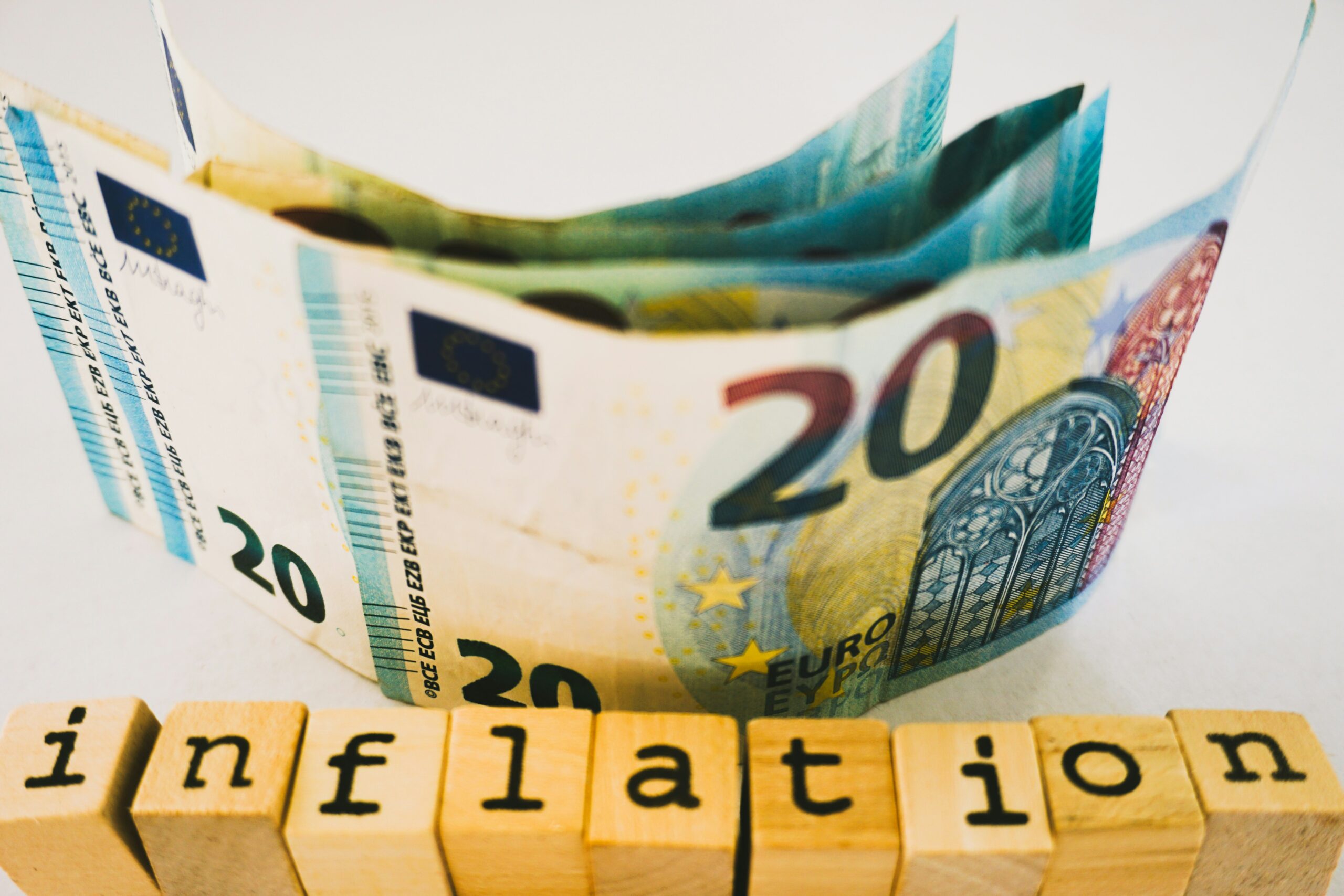
LONDON – Investors are steeling themselves for a period of heightened turbulence this week as the world’s most influential central banks prepare to unveil policy decisions that are expected to underscore a growing divergence in their approaches to fighting inflation. With the U.S. Federal Reserve, the European Central Bank (ECB), and the Bank of Japan (BoJ) all scheduled to meet within a 48-hour window, the collective outcome is poised to redraw the map of global interest rates and currency valuations.
The pivotal moment arrives on Wednesday with the U.S. Federal Reserve’s announcement. While market consensus points to a pause in its aggressive rate-hiking campaign, the accompanying statement and economic projections are under intense scrutiny. Futures trading data indicates a near-certain probability of rates remaining unchanged, yet the central bank is expected to signal whether its tightening cycle has truly concluded or if another increase could be on the horizon later this year. The core question revolves around the trajectory of inflation, which, while cooling from multi-decade highs, remains stubbornly above the Fed’s 2% target.
Across the Atlantic, the European Central Bank is widely anticipated to deliver another quarter-point rate increase on Thursday, marking its ninth consecutive hike. Unlike its American counterpart, the ECB faces a more acute inflation problem, with price growth in the eurozone running at a significantly higher clip. However, the bank is navigating a delicate balancing act, as the region’s economy, particularly in manufacturing-heavy nations like Germany, shows increasing signs of fragility.
“The eurozone is caught between a rock and a hard place,” said Anya Petrova, chief economist at the London-based financial consultancy Sterling Bridge. “They must continue to tame inflation, but they risk pushing an already weakening economy into a recession. The Fed has the luxury of waiting to see how the lag effects of its past hikes play out; the ECB does not.”
Perhaps the most consequential decision, however, will come from the Bank of Japan. In a stark contrast to its Western peers, the BoJ has maintained a policy of negative interest rates and yield curve control, an outlier stance designed to stimulate its stagnant economy. Speculation is rife that Governor Kazuo Ueda may use Friday’s meeting to begin unwinding this ultra-loose policy, a move that would send shockwaves through global bond markets, given Japan’s status as a major holder of foreign debt.
The Ripple Effect on Currencies and Bonds
The divergence in policy is already creating significant distortions in foreign exchange markets. The yen has remained under pressure against the dollar, trading near levels that previously prompted intervention by Japanese authorities. A shift in BoJ policy could trigger a sharp appreciation of the yen, affecting the profitability of Japanese exporters and altering the flow of global capital.
Meanwhile, the bond market is reflecting the uncertainty. Yields on U.S. Treasuries, the benchmark for global borrowing costs, have been volatile, with investors parsing every data release for clues about the Fed’s next move. A hawkish surprise from any of the three central banks could lead to a rapid repricing of assets, impacting everything from mortgage rates to the valuation of emerging market debt.
A Test for the Global Economy
These decisions come at a critical juncture for the global economy, which is struggling to find its footing after a year marked by high energy prices and geopolitical friction. The International Monetary Fund recently warned that the global growth outlook is “weak and imbalanced,” with the risk of a hard landing looming in several major economies.
For businesses and consumers, the central bank policy menu translates into a simple equation: the cost of borrowing. Higher rates have already cooled housing markets and dampened corporate investment. Any indication that the fight against inflation is far from over could prolong this period of financial pain.
As the financial world holds its breath, the messaging from policymakers will be just as critical as the decisions themselves. Analysts will dissect the language of the press conferences, looking for subtle shifts in tone that could signal a change in direction for the coming months. The next few days will not only determine the short-term path of interest rates but will also define the strategic footing of the world’s financial system as it navigates its most complex post-pandemic challenge.