Lede Paragraph
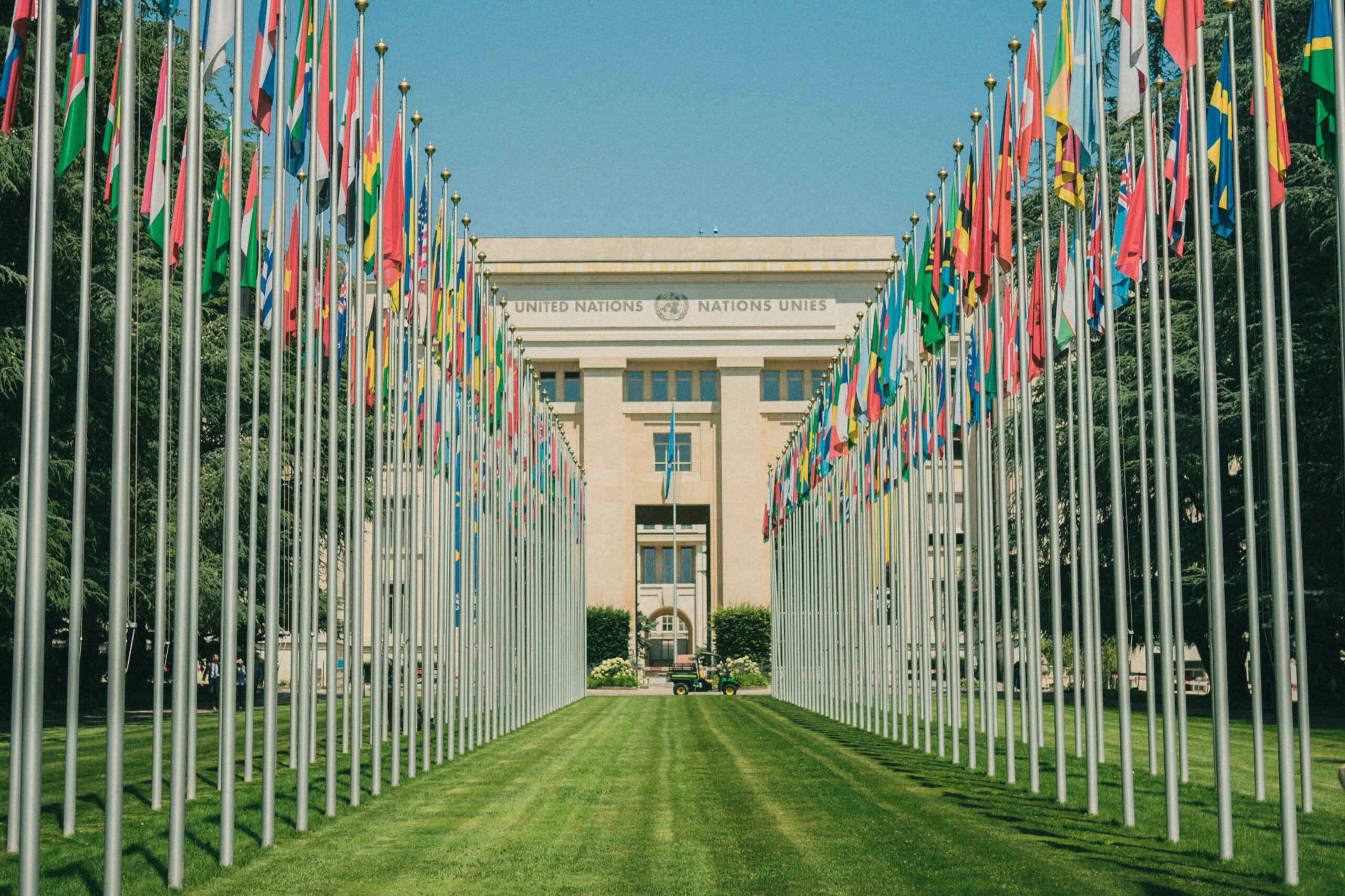
Leading artificial intelligence companies from the United States, Europe, and Asia have jointly pledged to adopt rigorous safety standards for their most advanced AI systems, marking the first industry-wide effort to self-regulate in the face of mounting concerns over misinformation, bias, and existential threats. Announced Tuesday at the Global AI Summit in Geneva, the voluntary framework—signed by executives from OpenAI, Google DeepMind, Meta, and China’s Zhipu AI, among others—establishes baseline commitments for testing, transparency, and incident reporting before powerful models reach the public.
Background and Context
The pact comes as governments worldwide accelerate regulatory efforts, from the European Union’s AI Act to proposals in the U.S. Congress and the UK’s AI Safety Institute. However, legislative progress has been uneven, leaving a vacuum that the industry now seeks to fill. According to the signatories, the agreement commits them to “responsible capability scaling” —a process where threshold tests for dangerous capabilities—such as autonomous replication, cyberattacks, or manipulation—trigger mandatory pause or mitigation protocols.
The framework requires companies to commission independent audits of frontier models, publish summaries of safety evaluations, and notify peers and regulators if a model breaches pre-defined risk thresholds. Notably, it includes provisions for “chain-of-custody” documentation, ensuring that if a model is later used maliciously, its origin and training data can be verified. Critics, however, note that the pact lacks enforcement mechanisms beyond public naming and shaming.
Expert Insights and Human Impact
“This is a significant, if overdue, step,” said Dr. Emiko Tanaka, a former U.N. AI governance advisor who reviewed the agreement. “The industry is acknowledging that its own creation can cause harm at a speed and scale we’ve never seen. But the devil is in the implementation—will companies actually halt a profitable product based on an internal risk score?”
The human stakes are high. In Prague, Marta Novak, a social media manager whose face was used in a deepfake video that went viral, described the emotional toll. “My photo was weaponized to spread a fake political endorsement. I lost trust in what I see online. These rules give me hope that companies will finally put safety over speed.”
Data and Broader Implications
The International Monetary Fund estimates that AI could disrupt up to 40% of jobs globally, while a recent Pew Research survey found that 70% of Americans are “more concerned than excited” about the rapid expansion of AI. The pact’s signatories represent over 90% of the market for large language models and generative AI tools.
Next Steps and Actionable Takeaways
While the voluntary standards take effect immediately for new model releases, signatories have agreed to reconvene within six months to review compliance. Notably absent from the list are several Chinese firms not invited due to geopolitical tensions, as well as smaller startups lacking resources for extensive safety testing.
For readers and businesses:
- Stay informed on which models carry transparency labels.
- Advocate for mandatory third-party audits in your national jurisdiction.
- Demand clarity from vendors about how they test for bias and misuse.
The Geneva pact is not a silver bullet, but it establishes a precedent that could shape global norms. As Dr. Tanaka put it, “We are writing the safety manual while flying the plane. This agreement is the cockpit checklist we needed yesterday—better now than never.”