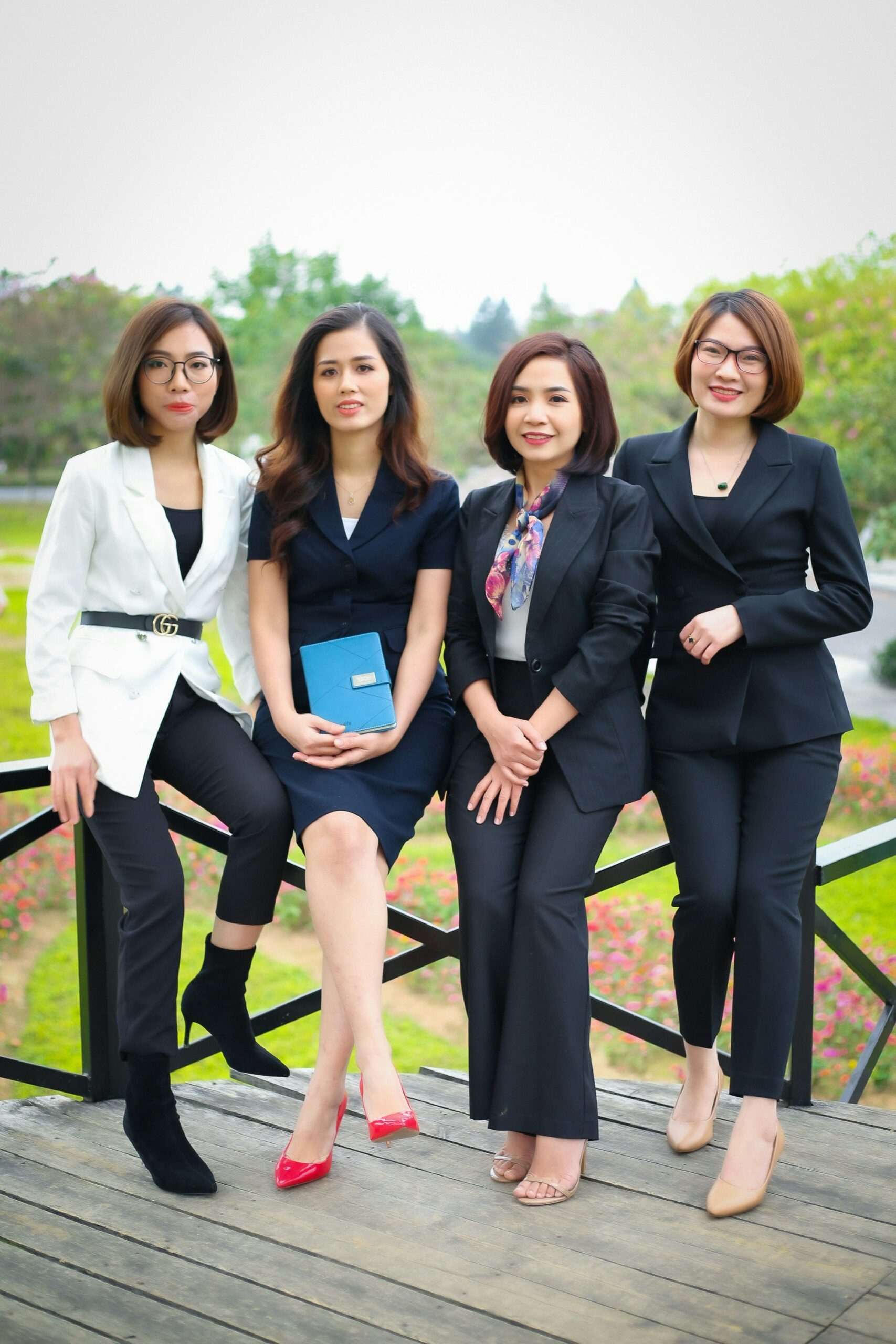
Three prominent actresses—Chrissie Chau (Niki), Kathy Yuen (Tong Yi), and Bella Lam (Lam Ching Wan)—embrace key functional roles—a lawyer, a volunteer, and a journalist—alongside four powerhouse male leads in the high-stakes cinematic thriller, Insider. The film, a gritty narrative focusing on intense internal maneuvers, placed the actresses directly opposite veterans Aaron Kwok, Francis Ng, Simon Yam, and Alex Fong Chung-sun, sparking a blend of professional tension and personal connection on set, according to recent interviews detailing their collaborative experiences.
Lam, whose journalist character interacts prominently with the four lead actors, admitted feeling both privileged and apprehensive, singling out Francis Ng as particularly intimidating. “I was most afraid of working opposite Mr. Ng,” Lam confessed, noting his intense focus and immediate departure after filming a scene. “I worried deeply about not performing well, but thankfully, he never criticized me. Since it was our first time collaborating, the initial awkwardness was inevitable. However, I felt slightly more comfortable with Mr. Yam and Mr. Fong, as we share the same management company.”
The set was rife with memorable moments, particularly stemming from the interactions with the experienced cast. Lam recounted a negotiation scene filmed at Victoria Peak with Simon Yam, revealing a surprising confidential anecdote shared by the veteran actor. “Mr. Yam put his arm around my shoulder and pointed toward a luxury building, casually mentioning he owned a unit there, revealing his extensive property investments across Hong Kong,” Lam recalled. “I was truly impressed, realizing his significant portfolio might span all 18 districts, but I regret not seizing the moment to ask for investment advice.”
Yuen, portraying the volunteer, echoed Lam’s admiration for Yam’s acting versatility, noting his ability to instantly transition from a humorous, engaging personality off-camera to intense immersion once the cameras rolled. Yuen stressed the necessary professional distance maintained, stating, “I didn’t dare engage in overly frivolous conversation with him, fearing it might disrupt my focus and professional delivery.”
Yuen and Chau shared most of their scenes with Aaron Kwok. Yuen noted that re-teaming with Kwok after Cold War 2 felt notably more relaxed. “We’re both married now and have children,” Yuen observed. “Our respective roles have changed, and we often found ourselves discussing parenting and sharing tips about raising daughters.”
Chau, stepping into the role of a lawyer, reflected on the significant change in working dynamics with Kwok, recalling a musical special they filmed together years prior. Now, as working parents, their collaboration felt deeper. A particularly challenging scene involved Chau driving Kwok, who is famously a real-life motor enthusiast. “Mr. Kwok is a racer, but in that scene, I was required to drive him,” Chau explained. “My driving skills are average, and I explicitly asked him not to judge or criticize me—I was genuinely scared of crashing. He simply focused on delivering his lines, which was a relief.”
Chau also lightheartedly recounted memories from her early career, mentioning how influential directors Felix Chong and Soi Cheang had brief cameo appearances in her 1999 film, Feel 100%. She noted feeling proud of their success, humorously asking Chong if he planned another cameo, only to be told he was too busy directing. Regarding her preparation for the lawyer role, Chau clarified that she did not consult her husband, actor Fu Hong-ming, but sought assistance from lawyer friends to understand complex legal terminology in the script.
Addressing industry concerns about roles for female leads in male-dominated thrillers, Chau, Yuen, and Lam firmly rejected the notion of simply being “window dressing.” Chau asserted that the female characters, encompassing the journalist, volunteer, and lawyer, each served a unique and necessary function within the plot’s architecture.
“While fewer strong lead roles are currently available for women,” Chau reflected, “I understand that a single film cannot equally divide its focus. It’s a matter of serendipity whether a compelling role lands in your hands.” She concluded that the overall quality of the production matters more than scene count, emphasizing, “If the film is strong, do not be overly concerned with screen time. By mastering the character entrusted to you, the audience will remember your performance.” Yuen concurred, stressing the importance of authenticity: striving too hard for the spotlight can backfire, while naturally embodying the character yields the best results.