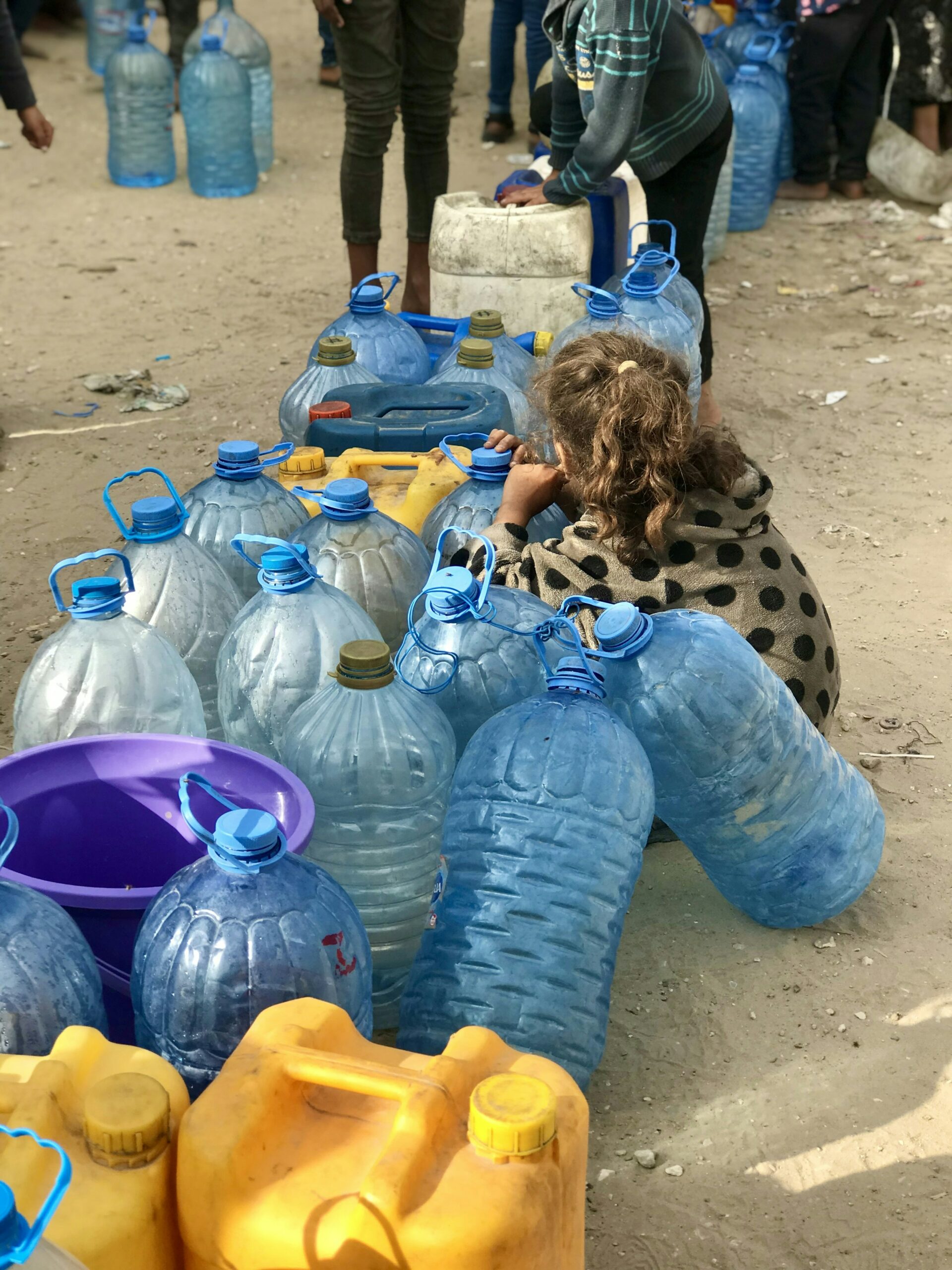
GAZA CITY, Gaza Strip — With taps running dry and desalination plants silent for lack of fuel, more than two million people in the Gaza Strip face an acute water crisis that threatens to trigger disease outbreaks and mass displacement, humanitarian officials warn. The severe shortage—compounded by weeks of conflict, a blockade, and damage to critical infrastructure—has left families consuming untreated seawater and brackish well water, raising urgent public health alarms.
The crisis escalated after Israel cut off water, food, electricity, and fuel supplies to the territory on October 7, following the Hamas attack. The United Nations Relief and Works Agency (UNRWA) reports that the last remaining municipal water well in the northern Gaza Strip ceased operations on October 13 due to a lack of fuel for pumps. The region’s main desalination plant, which provides drinking water to hundreds of thousands, shut down days earlier under similar constraints.
“We are down to our last drops,” says Omar al-Najjar, a father of five sheltering in a school in Gaza City. “I fill one bottle from a public tap every two days. The children cry from thirst, and I have no choice but to give them water that tastes like salt.” His story mirrors that of countless families across the strip, where the average person now has access to less than three litres of water per day—well below the emergency threshold of 15 litres recommended by the World Health Organization for basic survival needs.
The impact is already measurable. The World Health Organization (WHO) confirmed on Saturday that at least eight children have died of dehydration and malnutrition in the north, but officials warn the actual figure is likely higher. Beyond immediate thirst, the lack of safe water forces people to rely on polluted sources. Gaza’s sole coastal aquifer, already over-extracted and contaminated by sewage and seawater intrusion, now supplies more than 80 percent of the water people drink.
Dr. Maya al-Azzeh, a public health specialist working with the Palestinian Ministry of Health in Gaza, explains the next frontier of the crisis: “When people drink contaminated water, we see a surge in diarrhea, cholera, and typhoid—especially among children under five. We already have overcrowded hospitals treating wounded patients. An outbreak of waterborne disease would be catastrophic.”
The crisis is further compounded by the near-total collapse of the territory’s sanitation system. Without electricity to run wastewater treatment plants, raw sewage is spilling into streets and flowing toward the sea, mixing with the very groundwater residents depend upon. UNRWA estimates that 1.4 million people—nearly 70 percent of Gaza’s population—are now internally displaced, many crowded into schools and shelters with limited latrines and no running water.
Efforts to deliver emergency supplies face severe obstacles. Trucks carrying water, food, and medical aid began entering Gaza from Egypt on October 21 under a limited agreement, but the UN says the volume is a fraction of what is needed. Before the conflict, roughly 500 truckloads of commercial and humanitarian goods entered the strip daily. Since October 7, fewer than 150 total trucks have crossed.
Human rights groups, including Amnesty International and Human Rights Watch, have called the collective denial of water a possible war crime under international humanitarian law, which prohibits the starvation of civilians as a method of warfare. The International Committee of the Red Cross has also urged parties to allow sustained humanitarian access.
What comes next depends on the immediate resumption of fuel deliveries and the protection of remaining water infrastructure. The UN is negotiating with all sides to secure a long-term pause in fighting to allow repairs and the import of chlorine tablets, fuel, and spare parts. Without such a breakthrough, Gaza’s chronic water scarcity—already a crisis before this war—will deepen, with consequences that extend beyond borders. Diseases do not recognize checkpoints.
For now, the people of Gaza wait, rationing every drop. “I know I cannot give my children a safe home,” says al-Najjar, holding a plastic jerry can. “But if I cannot give them clean water, I cannot give them a future.”