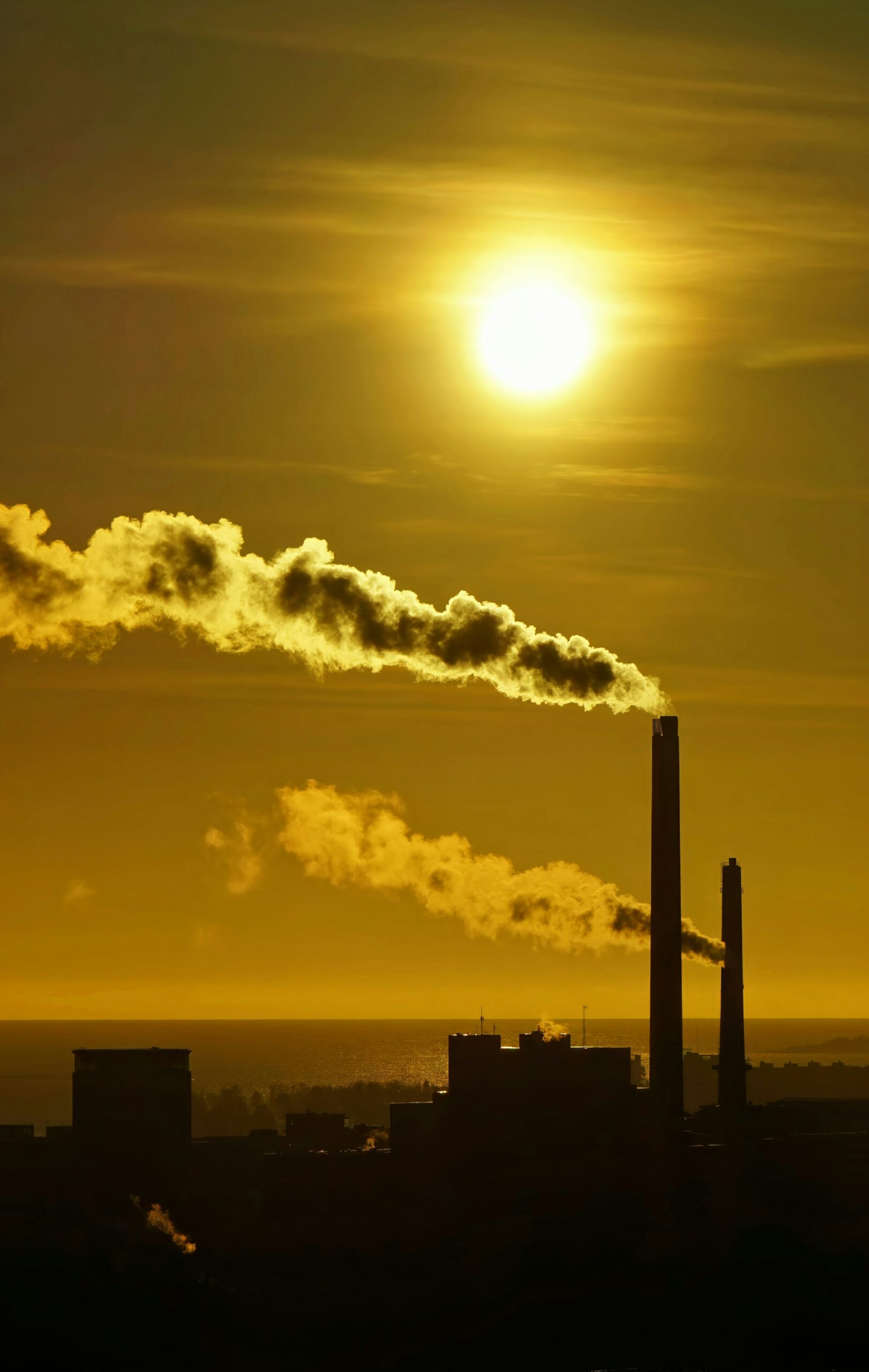
A stark new analysis from leading climate research bodies has confirmed that global average temperatures are accelerating toward a critical threshold, prompting urgent warnings from scientists that the window to avert the most catastrophic effects of climate change is closing rapidly. The report, released jointly by the World Meteorological Organization and the United Nations Environment Programme on Wednesday in Geneva, synthesizes data from 2023 and early 2024, showing that the planet has already warmed by approximately 1.3°C above pre-industrial levels.
Unprecedented Heat and Its Human Toll
The past twelve months have been the hottest on record, with every major continent experiencing extreme heatwaves, prolonged droughts, and devastating floods. In the Sahel region of Africa, consecutive failed rainy seasons have pushed millions into food insecurity. Meanwhile, communities in Southern Europe and South Asia have endured heat indices exceeding 50°C (122°F), straining power grids and causing thousands of heat-related fatalities.
“We are no longer talking about a future threat. This is the present reality,” said Dr. Elena Marchetti, lead author of the report and a climatologist at the University of Oxford. “Every fraction of a degree of warming translates directly into more intense storms, higher sea-level rise, and greater loss of biodiversity.”
The Science Behind the Surge
The analysis points to a combination of persistent greenhouse gas emissions—which hit a record high in 2023—and the onset of an El Niño weather pattern as primary drivers of the recent spike. Carbon dioxide concentrations now sit at 420 parts per million, a level not seen in over three million years. The report emphasizes that the world is on a trajectory to breach the 1.5°C warming limit set by the 2015 Paris Agreement within the next five years, a threshold scientists have long identified as a “point of no return” for irreversible ice-sheet collapse and coral reef die-off.
Economic and Security Implications
Beyond the environmental toll, the economic consequences are mounting. The National Oceanic and Atmospheric Administration (NOAA) estimates that climate-related disasters globally caused over $280 billion in damages last year alone. Insurers are recalibrating risk models, pulling coverage from high-risk coastal zones, and governments from Bangladesh to Florida are grappling with the cost of relocating entire communities.
“Climate change is now a threat multiplier for global security,” noted retired U.S. Navy Rear Admiral Jennifer Collins, a climate security advisor. “We see it in resource competition, mass migration patterns, and instability in fragile states.”
What Can Be Done: A Narrowing Window
While the outlook is dire, scientists stress that significant action can still slow the pace of warming. Key recommendations from the report include:
- Accelerating the phase-out of fossil fuels by 2035.
- Tripling global investment in renewable energy infrastructure.
- Implementing nature-based solutions like reforestation and wetland restoration.
- Expanding early-warning systems for extreme weather, especially in developing nations.
“Hope is not lost, but it requires a level of political will and public mobilization we have not yet seen on a global scale,” Dr. Marchetti said. “Every year of inaction locks in decades of consequences.”
As world leaders prepare for the next United Nations Climate Summit (COP29) in November, this report serves as both a stark warning and a call to action. For ordinary citizens, experts advise reducing personal carbon footprints, supporting climate-friendly policies, and staying informed about local climate risks. The next twelve months, they say, may be the most consequential in the history of human civilization.