World leaders have reached a landmark climate agreement in Geneva, balancing environmental targets with economic pressures, as negotiators warn the deal’s success hinges on trillions in financing and political will.
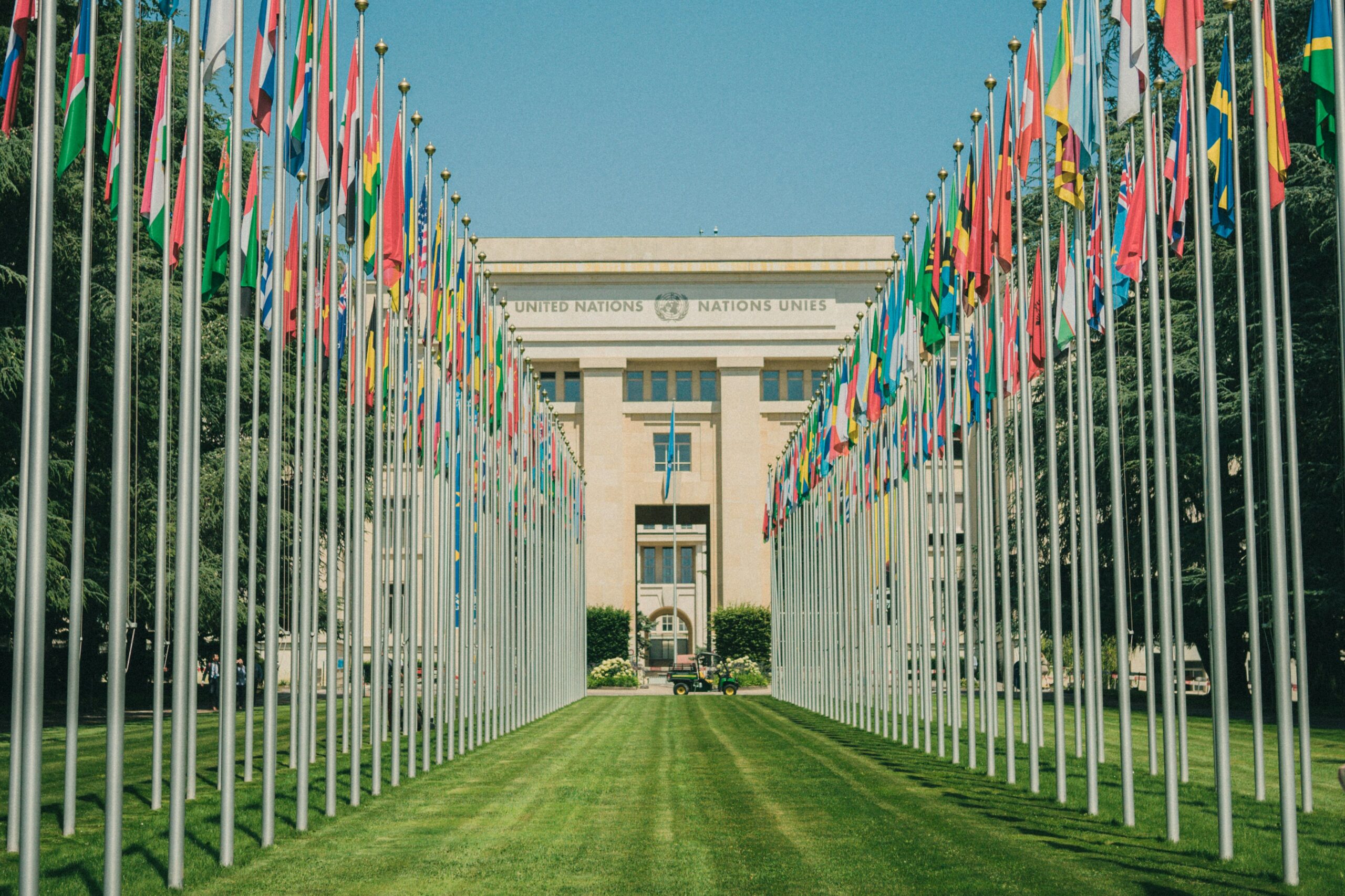
GENEVA — After three days of marathon negotiations, representatives from 197 nations signed a revised framework Thursday aimed at accelerating carbon emission reductions, less than a year before key climate targets expire. The accord, reached at the United Nations Climate Summit, marks the first major international climate pact since the Paris Agreement of 2015, but comes against a backdrop of stalled economic growth and geopolitical fragmentation.
A Deal Forged in Compromise
The new framework requires signatories to cut net greenhouse gas emissions by 60% from 1990 levels by 2035 — a target that scientists say is necessary to keep global warming below 1.5 degrees Celsius. Developed nations have pledged $500 billion annually in climate finance to developing countries, a three-fold increase from current levels.
“This is not a perfect agreement, but it is a necessary one,” said UN Secretary-General António Guterres in his closing remarks. “We have moved from promises to timelines. Now the real work begins: implementation.”
Negotiators had gathered in the Swiss city amid mounting evidence of climate impacts. New data from the World Meteorological Organization shows that 2024 was the hottest year on record, with global average temperatures exceeding pre-industrial levels by 1.45°C. Extreme weather events, from floods in Pakistan to wildfires in Canada, have displaced over 35 million people in the past two years alone.
Tensions Beneath the Surface
The agreement was clouded by sharp disagreements over accountability. Major oil-producing nations including Saudi Arabia and Russia pushed for “flexibility mechanisms” that critics say weaken enforcement. Meanwhile, the European Union insisted on binding annual progress reports with economic penalties for noncompliance.
“We cannot have a climate treaty that allows countries to set goals and then miss them without consequence,” said EU climate commissioner Frans Timmermans. “The planet doesn’t negotiate.”
Developing nations, represented by the G77 bloc, resisted the inclusion of “carbon offset trading” provisions, arguing they allow wealthy countries to purchase their way out of real emission cuts. India’s environment minister, Bhupender Yadav, warned that “the burden of history cannot be erased by market mechanisms.”
Economic Stakes Run High
The pact carries significant economic implications. The International Energy Agency estimates that meeting the new targets will require $4 trillion in annual clean energy investments by 2030 — roughly double current spending levels. The transition is expected to create 30 million new jobs in renewable energy sectors but could cost 12 million jobs in fossil fuel industries, according to the International Labour Organization.
In a move that surprised many observers, China and the United States — the world’s two largest emitters — jointly announced a separate bilateral agreement to share carbon capture technology. Their cooperation signals a potential thaw in climate diplomacy, even as trade tensions escalate between the two powers.
What Comes Next
The treaty now returns to national parliaments for ratification. Experts caution that the real challenge lies in domestic implementation. Emily Chan, a climate policy researcher at Oxford University, noted that “international treaties are only as strong as the national laws that enforce them.”
Activists remain divided. Greta Thunberg, the Swedish climate activist, dismissed the accord as “meaningless without fossil fuel phase-out dates.” But other groups, including the Climate Action Network, cautiously praised the “mechanisms for verification.”
With less than 24 months before key milestone targets come due, the world will now watch whether this agreement — forged in crisis and compromise — can survive the realities of economics, politics, and human behavior. The next round of UN climate talks is scheduled for November 2026 in Baku, Azerbaijan, where progress will face its first formal review.